
The New US Tariff Framework: Implications for Vietnam's Export Sector
03/08/2026
On 24–25 July 2026, the United States officially replaced its temporary tariff measures with a long-term trade framework built around Section 301 and Section 338. According to Allianz Research, the average effective US import tariff is expected to rise to approximately 12.4% and is likely to remain at this level over the long term, supported by a more stable legal framework.
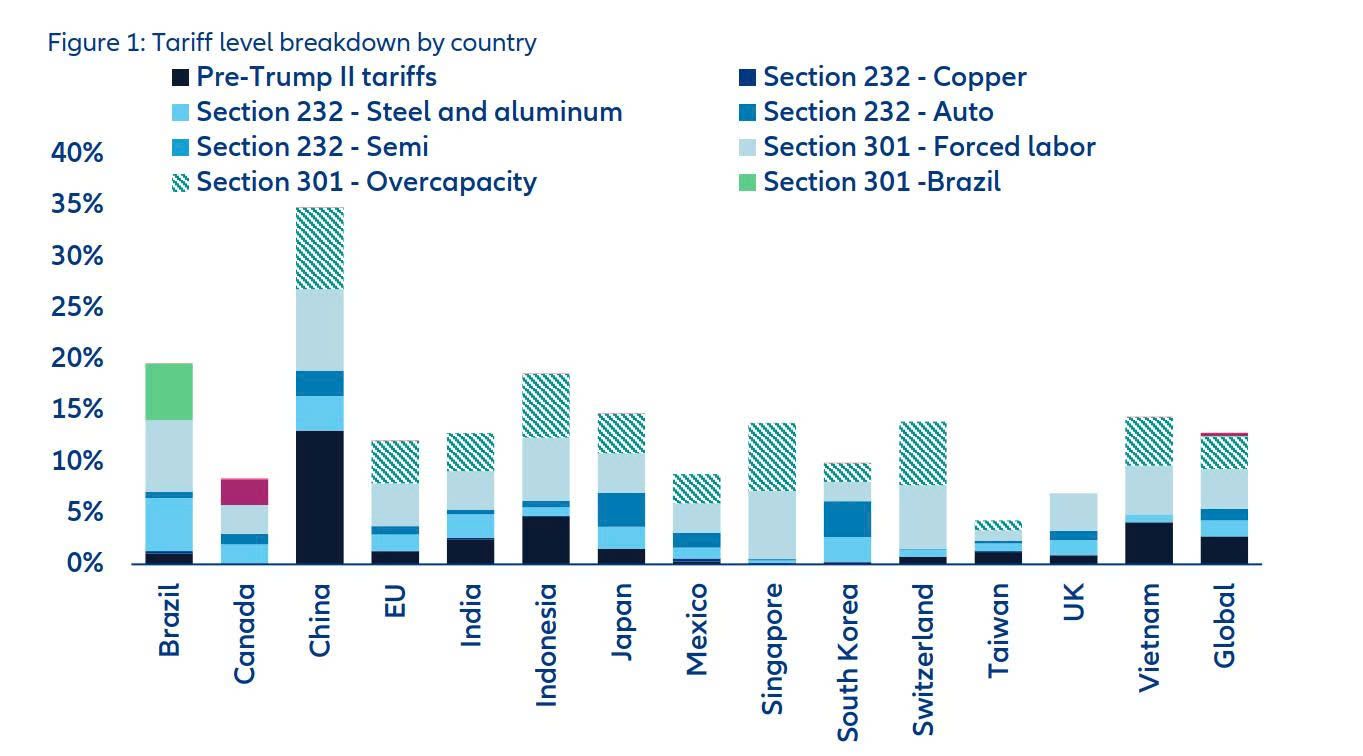 Figure 1. Effective US import tariff levels across major economies following the new tariff framework
One notable aspect of the new framework is that it is no longer focused solely on China. Allianz Research estimates that China (35%), the UAE (22%), Brazil (20%), Indonesia (19%), Japan (15%), and Vietnam (15%) will face the highest effective US tariff rates after all applicable duties are combined. Vietnam's effective tariff burden has increased by approximately eight percentage points, placing it among the economies experiencing the largest tariff increases.
The report also notes that Vietnam has become one of the most important alternative manufacturing hubs to China within global supply chains. As a result, US authorities are expected to apply closer scrutiny to Vietnamese exports. In addition to ongoing Section 301 intellectual property investigations, the United States is paying increasing attention to the potential transshipment of Chinese goods through ASEAN countries, with Vietnam identified as one of the key locations for monitoring.
These developments reflect a broader shift in global supply chains. The US share of imports sourced from China declined from 21% in 2016 to 13% in 2024, before falling further to 9% in 2025. Over the same period, ASEAN's share doubled from 7% to 14%, highlighting the region's growing role as an alternative manufacturing base for the US market.
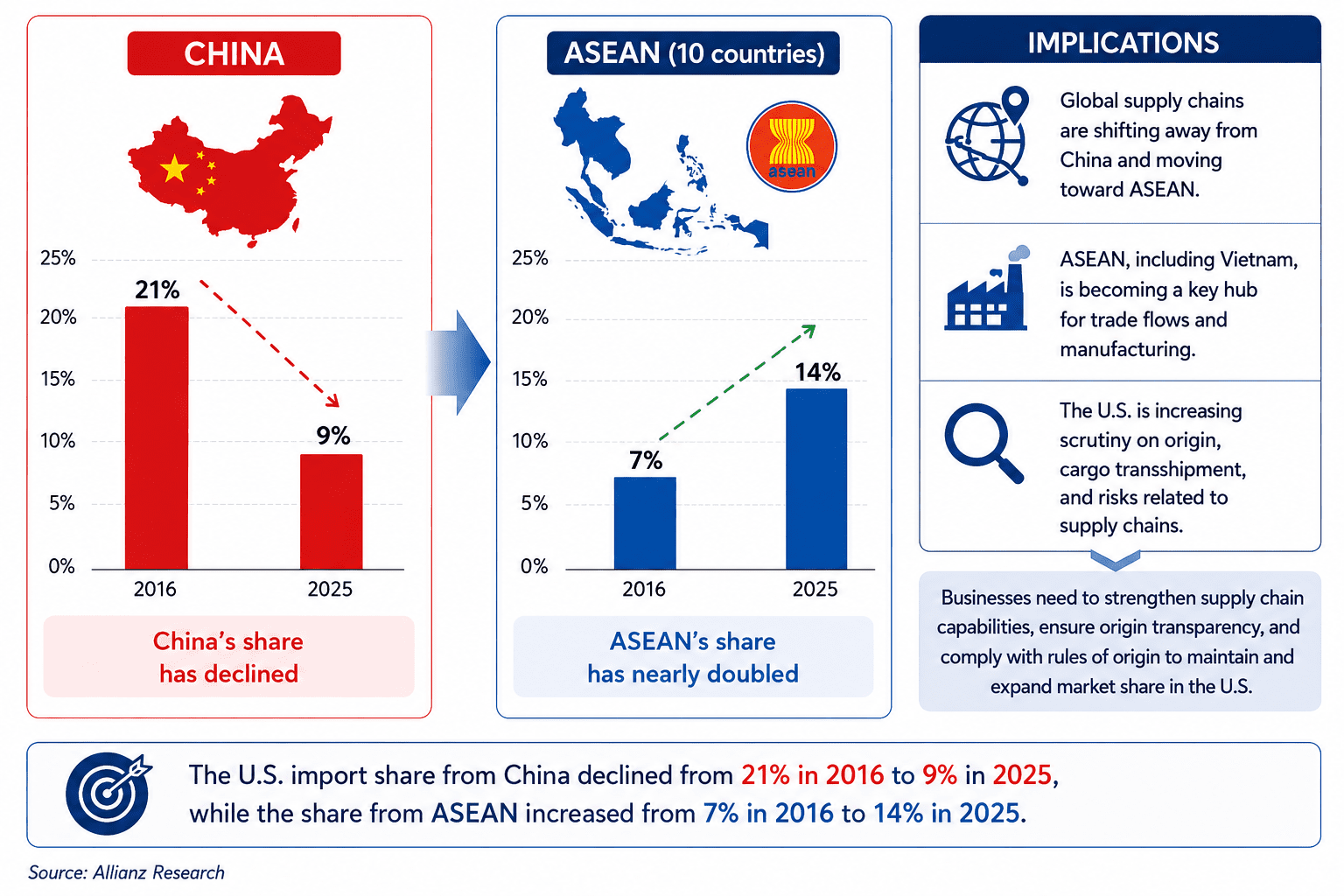 Figure 2. Global supply chains continue to shift as ASEAN expands its role in the US market
However, Allianz Research also cautions that not all ASEAN economies stand to benefit equally. Vietnam is expected to face an effective tariff rate of around 15–16%, compared with approximately 7–10% for Malaysia, 6% for the Philippines and around 4% for Taiwan. This suggests that Vietnam no longer enjoys the same tariff advantage over several regional competitors.
At the same time, Vietnam's growing role as an alternative production base also brings increased regulatory scrutiny. US authorities are expected to strengthen oversight of Rules of Origin, intellectual property protection, and the risk of third-country transshipment. Compliance with these requirements is likely to become an increasingly important condition for maintaining access to the US market.
As Vietnam assumes a larger role in global supply chains, maintaining market access will increasingly depend not only on tariff levels, but also on meeting higher expectations for origin verification, supply chain transparency and regulatory compliance.