
Vessel Schedule Disruptions and the Challenges of Port Coordination
30/10/2026
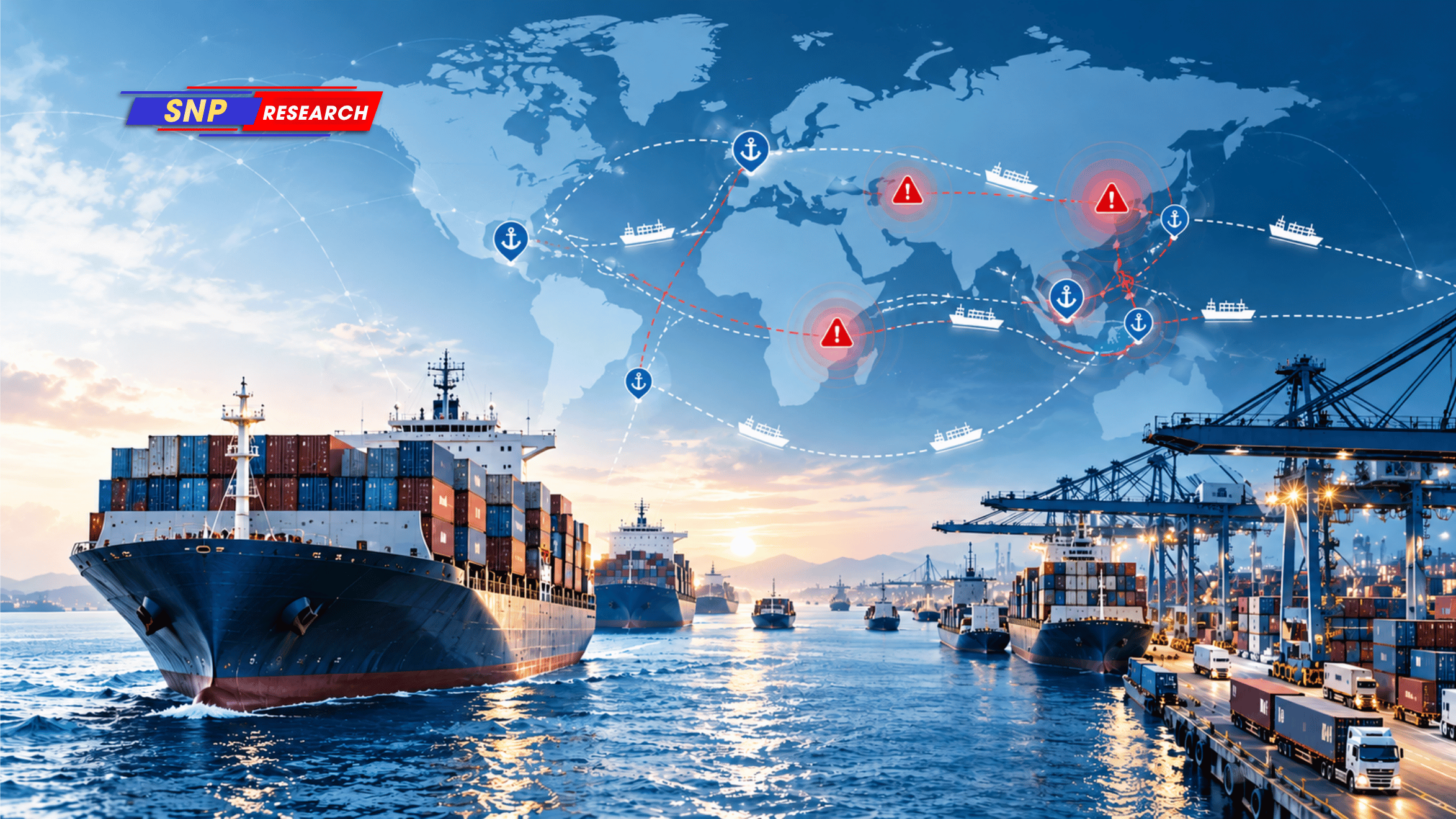
Late container vessel arrivals can disrupt more than shipping schedules. Their effects may extend to terminal operations, inland transportation and cargo delivery planning. Experiences from major international ports and Vietnam's Cai Mep–Thi Vai port cluster highlight the growing importance of coordination across the logistics chain in maintaining efficient cargo flows.
When Late Vessel Arrivals Disrupt Port Operations
According to Kuehne+Nagel, global container vessel schedule reliability stood at 51.6% in September 2026, with late vessels arriving an average of 4.2 days behind schedule. Earlier, Sea-Intelligence reported that global schedule reliability had fallen to 49.9% in August 2026, its lowest level since September 2022.
For terminal operators, the challenge extends beyond the number of days a vessel arrives late. Schedule deviations can affect terminal operations, cargo handling and delivery arrangements, as well as the berthing schedules of subsequent vessel calls.
When multiple delayed vessels converge at a port within a short period, a phenomenon known as vessel bunching, terminals must adjust berth allocations, equipment deployment, labour resources and cargo-handling plans. The concentration of container discharge volumes may also increase demand for yard storage, trucking, barge services and other hinterland transport connections.
A Recent Example from China
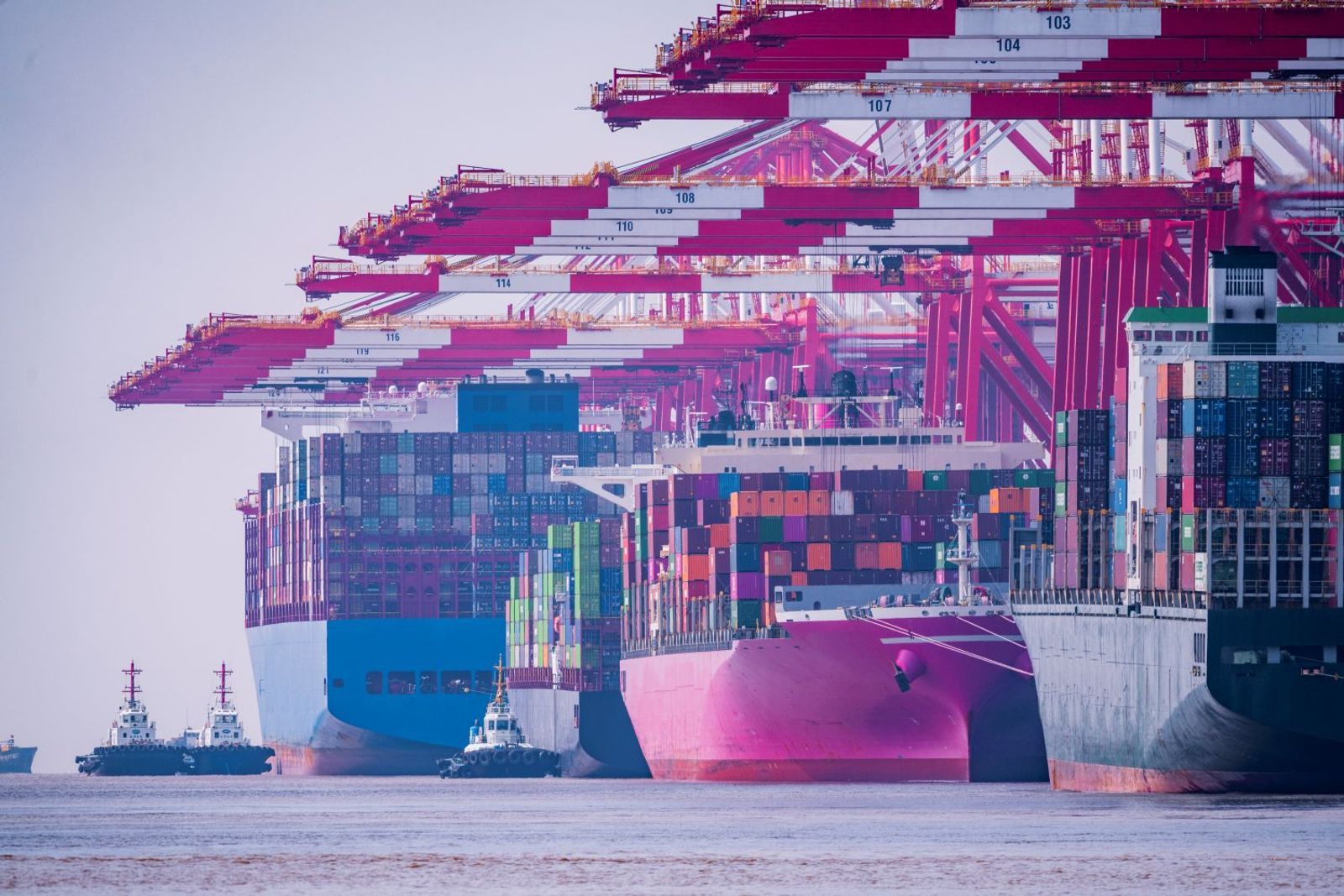
Extreme weather events affecting major Chinese ports in 2026 illustrate the complexities of restoring normal operations following disruption.
During August and September, successive storms affected Shanghai, Ningbo and other major ports, resulting in vessel queues and schedule disruptions.
In October, Super Typhoon Champi posed further risks to ports along China's eastern seaboard. On 21 October, S&P Global reported that existing congestion had already caused vessel delays of approximately four days at Shanghai and Ningbo, as shipping and logistics companies anticipated further weather-related disruption.
On 23 October, OOCL Logistics reported restrictions on vessel movements and pilotage services in parts of eastern China's coastal waters, with potential impacts on terminal access and cargo-handling activities.
However, by the morning of 26 October, according to Kuehne+Nagel, Shanghai and Ningbo had lifted their typhoon emergency response measures. Terminal operations, warehousing, container yards and road transportation had returned to normal.
This case demonstrates how precautionary maritime restrictions, implemented to ensure navigational and operational safety, can affect vessel schedules and cargo movements. Even after port operations resume, continuous monitoring of vessel schedules and adjustments to cargo delivery plans remain important in assessing the wider shipping network's return to normal operating conditions.
Vessel Arrived — But Is the Cargo Available?
There is an important distinction between the moment a container is discharged from a vessel and the point at which it becomes available for collection (Cargo Availability).
Following discharge, containers may still require customs clearance, terminal release and onward transport arrangements before they can be collected or delivered to warehouses and final destinations.
When vessel schedules or terminal operations change, these subsequent processes may also be affected, requiring freight forwarders, transport providers, importers and exporters to adjust their logistics plans. Recent disruptions at Chinese ports demonstrate how changes in vessel handling and terminal access can have knock-on effects on inland transportation and cargo delivery schedules.
Therefore, a vessel's Estimated Time of Arrival (ETA) does not necessarily indicate when its cargo will be available for collection. Visibility into container status, customs clearance progress and transport arrangements enables stakeholders to coordinate more effectively and mitigate downstream disruptions across the logistics chain.
Vietnam: Enhancing Port Efficiency Through Infrastructure and Logistics Connectivity
In Vietnam, recent developments at the Cai Mep–Thi Vai and Lach Huyen deep-water port clusters demonstrate how infrastructure connectivity, resource coordination and integrated logistics services can contribute to greater operational efficiency.
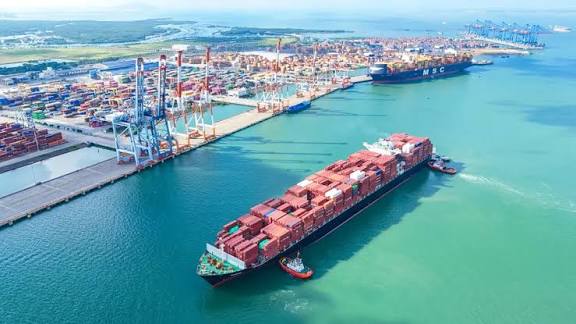
In October 2026, Tan Cang–Cai Mep Thi Vai Terminal (TCTT) and Cai Mep International Terminal (CMIT) officially commenced commercial operations at their joint berth. This arrangement enables the two adjacent terminals to coordinate berth infrastructure, equipment and labour resources, providing greater flexibility in vessel berthing and operational planning, particularly when shipping schedules change.
In northern Vietnam, Tan Cang–Hai Phong International Container Terminal (TC-HICT) recorded its fifth consecutive year of handling more than one million TEUs, reaching the one-million-TEU milestone for 2026 on 19 October.
Complementing the terminal's operations, Tan Cang Lach Huyen Logistics Center, which commenced operations in May 2026, provides additional warehousing, container depot facilities and logistics services immediately behind the Lach Huyen deep-water port cluster. The facility strengthens connectivity between port operations and inland cargo transportation, storage and distribution activities.
These developments illustrate that port efficiency depends not only on quayside handling productivity but also on effective infrastructure coordination and the integration of supporting logistics services. Such connectivity provides port systems and transport networks with greater operational flexibility when vessel schedules or cargo demand patterns change.
Port Efficiency from a Supply Chain Perspective
Vessel schedule disruptions and operational interruptions at Chinese ports demonstrate how the consequences of irregular arrivals can extend beyond berthing and container handling to inland transportation, storage and cargo delivery. Meanwhile, developments at Cai Mep–Thi Vai and Lach Huyen highlight the role of infrastructure connectivity, resource coordination and integrated logistics services in enhancing operational flexibility.
These examples suggest that port efficiency should be assessed not only through quay crane productivity or vessel turnaround time, but also through the ability to coordinate activities across the logistics chain. Timely exchange of vessel schedules, container status updates and transport planning information enables stakeholders to respond more effectively to unexpected schedule changes.
As maritime shipping faces increasingly unpredictable operating conditions, effective coordination between ports and their connected logistics networks is becoming essential to maintaining stable and continuous cargo flows.