
When cargo flows are imbalanced
24/09/2026
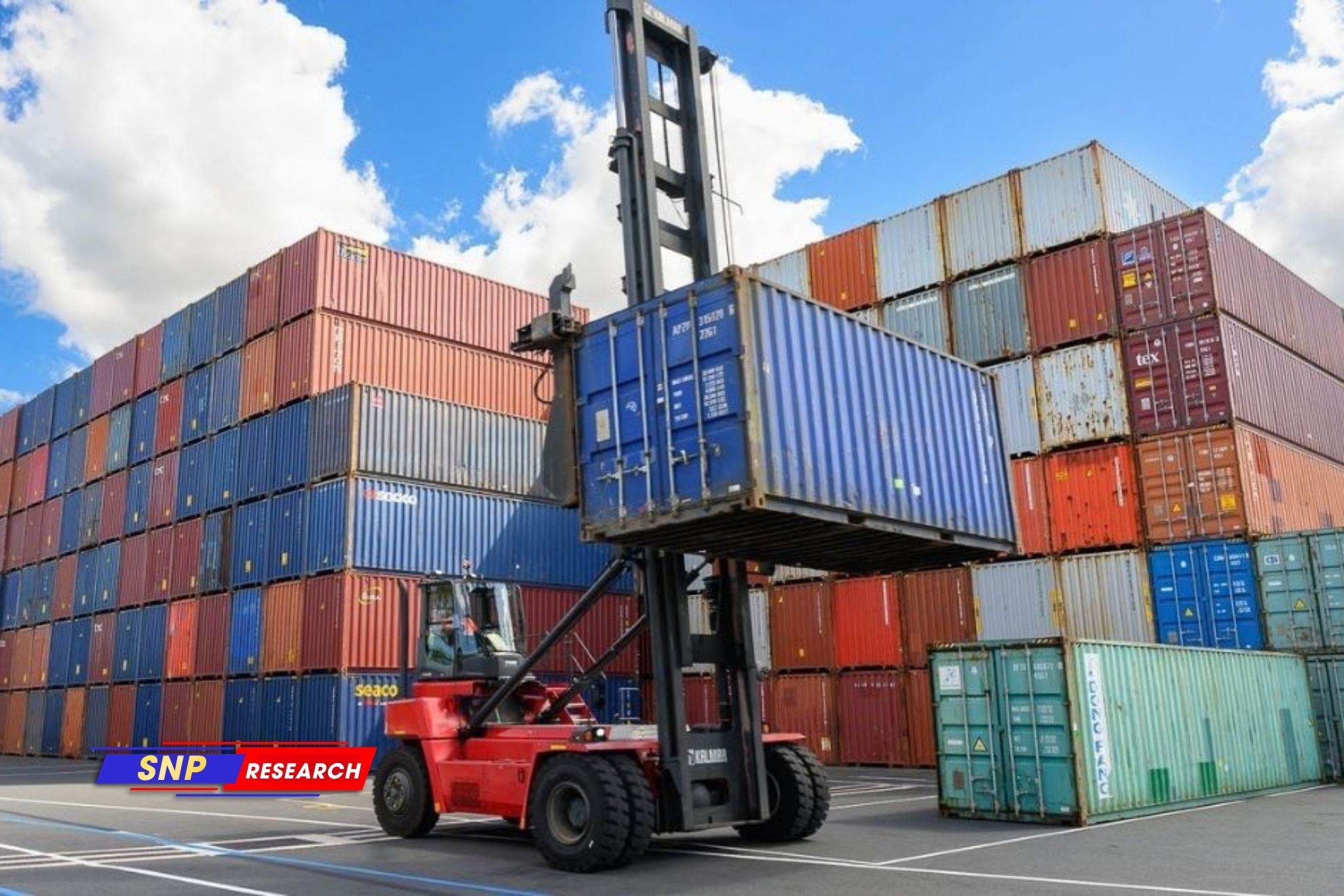
When export and import volumes on the same trade lane are not balanced, carriers need to reposition empty containers to locations where export demand is higher. Empty containers therefore become a form of equipment that must be received, stored, repositioned and returned to the next transport cycle. This was also one of the issues raised in our previous article on front-loading and equipment imbalances: can empty containers be deployed where and when they are needed?
Imbalanced Cargo Flows: An Increasingly Important Challenge
Asia remains a major manufacturing and export hub for global supply chains, with Vietnam playing an important role through key industries such as electronics, textiles and apparel, seafood, as well as a wide range of industrial and agricultural products.
As cargo flows become increasingly concentrated on the export side, empty-container supply becomes another issue carriers need to manage by proactively repositioning equipment back to Asia. This means container flows across the region are shaped simultaneously by local cargo demand and carriers’ equipment-repositioning decisions across their wider networks.
This is also why connectivity between different nodes in the supply chain is becoming increasingly important. With more connections between seaports, inland container depots (ICDs), depots and logistics facilities, ports have more options for managing empty-container flows instead of relying on a single consolidation point or transport route.
For Vietnam, this points to a broader requirement for port capabilities: the ability to connect with and keep cargo and empty containers moving after they leave the port.
Trade Continues to Grow

Analysis from Sea-Intelligence and Linerlytica shows that container shipping demand remains resilient across many major service lanes, although growth rates differ significantly between regions. Compared with June 2026, container demand on services connecting North America and the Middle East was broadly stagnant, declining by around 0.6%. Meanwhile, global container demand increased by approximately 10.2%, supported by growth across intra-Asia, Latin America and Africa services.
These figures indicate that trade growth is becoming more geographically diversified across different routes and regions, meaning container flows increasingly need to be managed across a more multi-directional network.
A container moving from Asia to Europe does not necessarily return to Asia on the same trade lane. As demand shifts between regions, the container may be repositioned to another trade lane or market before returning to serve export cargo.
For carriers, a more diversified trade network creates greater flexibility in allocating vessels and containers.
A Port's Role Extends Beyond the Berth
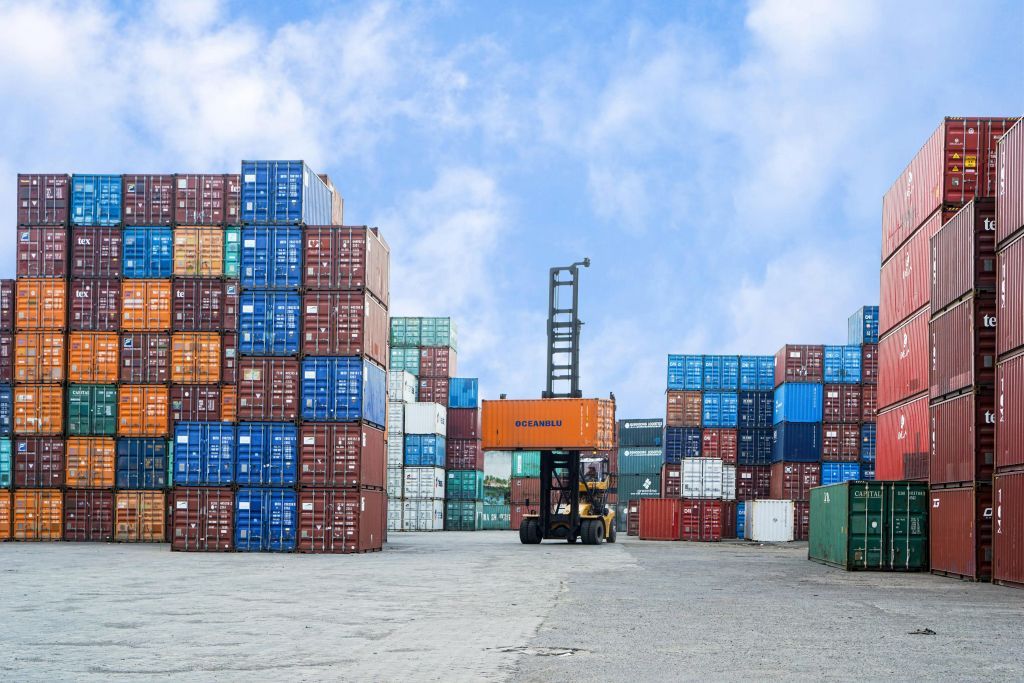
Southern Vietnam provides a clear example. As deep-water ports serve as gateways to international shipping services, connectivity between the seaport and inland nodes — including depots, logistics centers, road networks and inland waterways — is becoming increasingly important.
Once a container is discharged from a vessel, its journey can continue through multiple points: it may be moved to the port yard, transferred to a depot, delivered to a logistics center, or continue by another mode of transport before being repositioned to a new export market.
This shows that container flows do not necessarily need to remain tied to a single port or transport mode. A network with multiple connection points and transport options creates more flexibility to move containers to wherever demand emerges next.
In the Cai Mep–Thi Vai area, the development of logistics infrastructure and hinterland connections is expanding the operational reach of ports beyond the berth and container yard. When these nodes are effectively connected, containers can continue moving through the network rather than stopping at the end of a particular ocean voyage.
From Empty Containers to Port Competitiveness
As discussed above, the capability of a gateway port is not defined solely by cargo throughput or its handling capacity at the berth. In an increasingly fragmented container network, the ability to coordinate with inland nodes is also becoming part of a port's competitive capability.
For an export-oriented economy such as Vietnam, the value of this network lies in its ability to keep cargo moving as demand shifts across different trade lanes and regions.
Empty containers, therefore, are not simply the leftovers from a completed shipment. They are equipment needed for the next one.
And as global container flows become increasingly imbalanced, the question of port competitiveness can also be reframed:
In an increasingly fragmented container network, will the advantage lie with the port that has the greatest handling capacity — or with the port that can connect most effectively to the network as a whole?