
When Fleet Capacity Becomes a Strategic Advantage: How Are Service Networks Being Reshaped?
07/09/2026
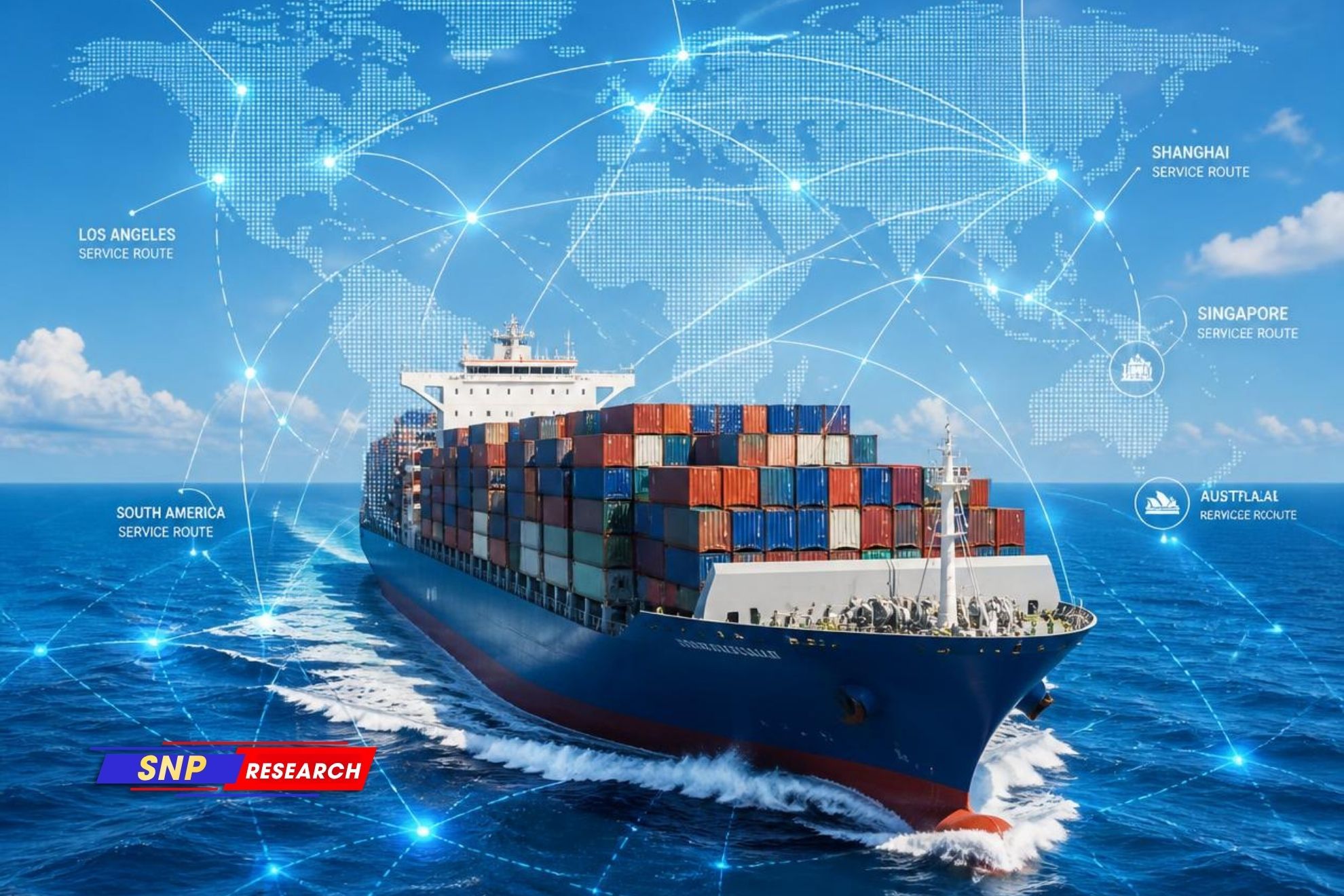
In our previous article, we saw how a disruption at one link can create a chain reaction across the wider shipping network. But when shipping capacity becomes constrained, how do carriers decide where to deploy their fleets and which ports to serve? And what determines whether a port remains part of a service network?
When Carriers Have to Choose Where to Deploy Capacity
When available shipping capacity becomes tighter, carriers have to prioritize key routes and markets while adjusting their fleet deployment and port networks. As a result, the role of individual ports within a service network can also change.
MSC is building an independent network model backed by substantial operating capacity, leveraging its large fleet to operate independent East–West services while strengthening its transshipment capabilities. Meanwhile, the Gemini Cooperation is pursuing a clearly defined hub-and-spoke model, restructuring its network around leaner mainline services supported by regional shuttle routes.
Ocean Alliance continues to maintain a strategy centered on multiple direct services, while carriers such as ZIM continue to develop specialized services targeting specific markets and cargo segments.
These different approaches show that carriers do not necessarily follow the same operating model. As fleet capacity must be allocated more strategically, shipping networks can take the form of direct services, hub-focused models, or a combination of mainline and regional networks.
Direct Call or Transshipment?
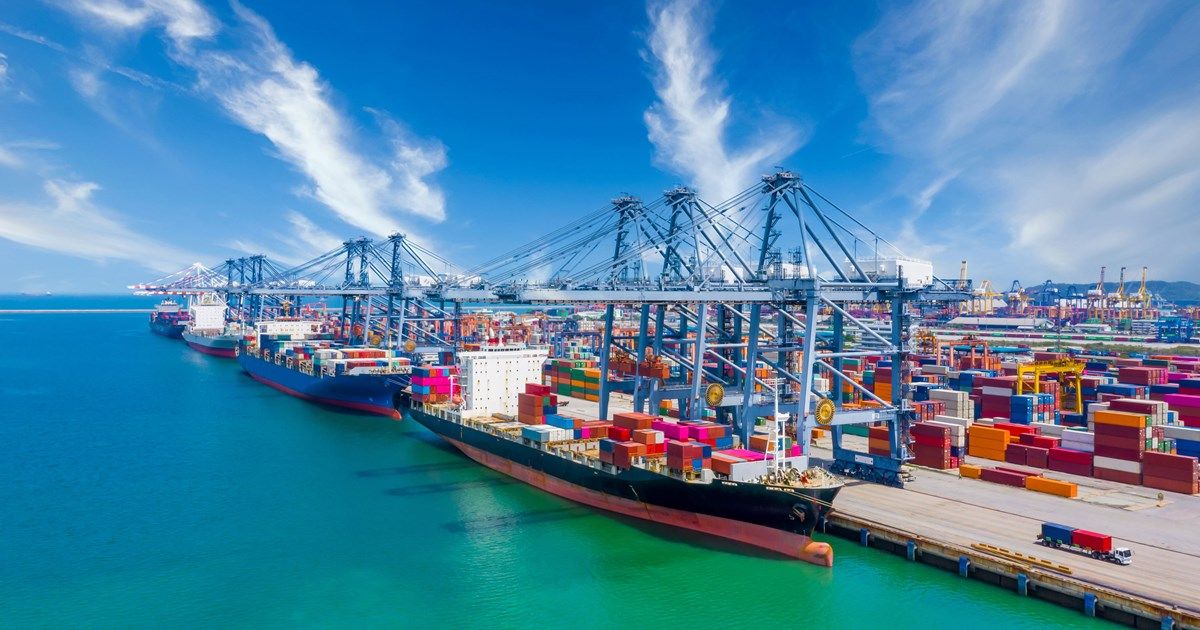
One of the key decisions in designing a shipping network is choosing between direct calls and transshipment.
With a direct call, a mainline vessel delivers cargo directly to a port included in its service route. Under a hub-and-spoke model, by contrast, mainline vessels concentrate their operations at selected hub ports, after which cargo is distributed to regional ports through feeder services.
This model allows carriers to concentrate capacity on a smaller number of key routes and ports while maintaining network coverage through feeder services.
As a result, whether a port retains a direct service or takes on a feeder role depends not only on cargo volume, but also on how the carrier optimizes its network as a whole.
What Determines Whether a Port Remains in the Network?
According to UNCTAD, a port's ability to maintain or attract direct services depends on a range of factors, from cargo availability, operational efficiency and vessel-handling capability to hinterland connectivity, cost, international connectivity and service quality.
When a carrier reduces or removes a direct call, the impact can extend across multiple parts of the supply chain.
- For ports: fewer mainline vessel calls, changes in cargo composition and greater dependence on feeder services.
- For logistics providers: additional transshipment steps, greater coordination requirements between services and potentially longer transit times.
- For importers and exporters: cargo may need to pass through an additional transshipment point, adding handling steps and increasing the risk of delays or missed connections.
When a port loses a direct service, the impact therefore does not stop at the port itself. The port may see fewer mainline calls and greater reliance on feeders; logistics providers have to manage additional transshipment and coordinate across more services; while importers and exporters may face longer transit times and greater exposure to delays.
Conversely, concentrating services at a hub can help that port increase connectivity, transshipment volumes and feeder activity, while also placing additional pressure on berths, yard capacity and hinterland infrastructure.
Implications for Vietnam's Port Network
For Vietnam, changes in how carriers allocate their services highlight the role of deep-water ports such as Cai Mep–Thi Vai and Lach Huyen, which can accommodate large vessels and maintain direct international services.
However, depth and berth capacity are only part of the equation. Connectivity between terminals, inland waterway transport and the wider hinterland network also influence operational efficiency and a port's ability to maintain its role within the network.
This raises a broader question about the competitiveness of Vietnam's ports:
Beyond cargo volume, what does a port need to become a valuable link in a carrier's shipping network?