2026 Freight Rate Spike: More Than a Return to Pandemic-Era Volatility
26/06/2026
Why Structural Disruptions Are Creating New Challenges for Global Supply Chains?
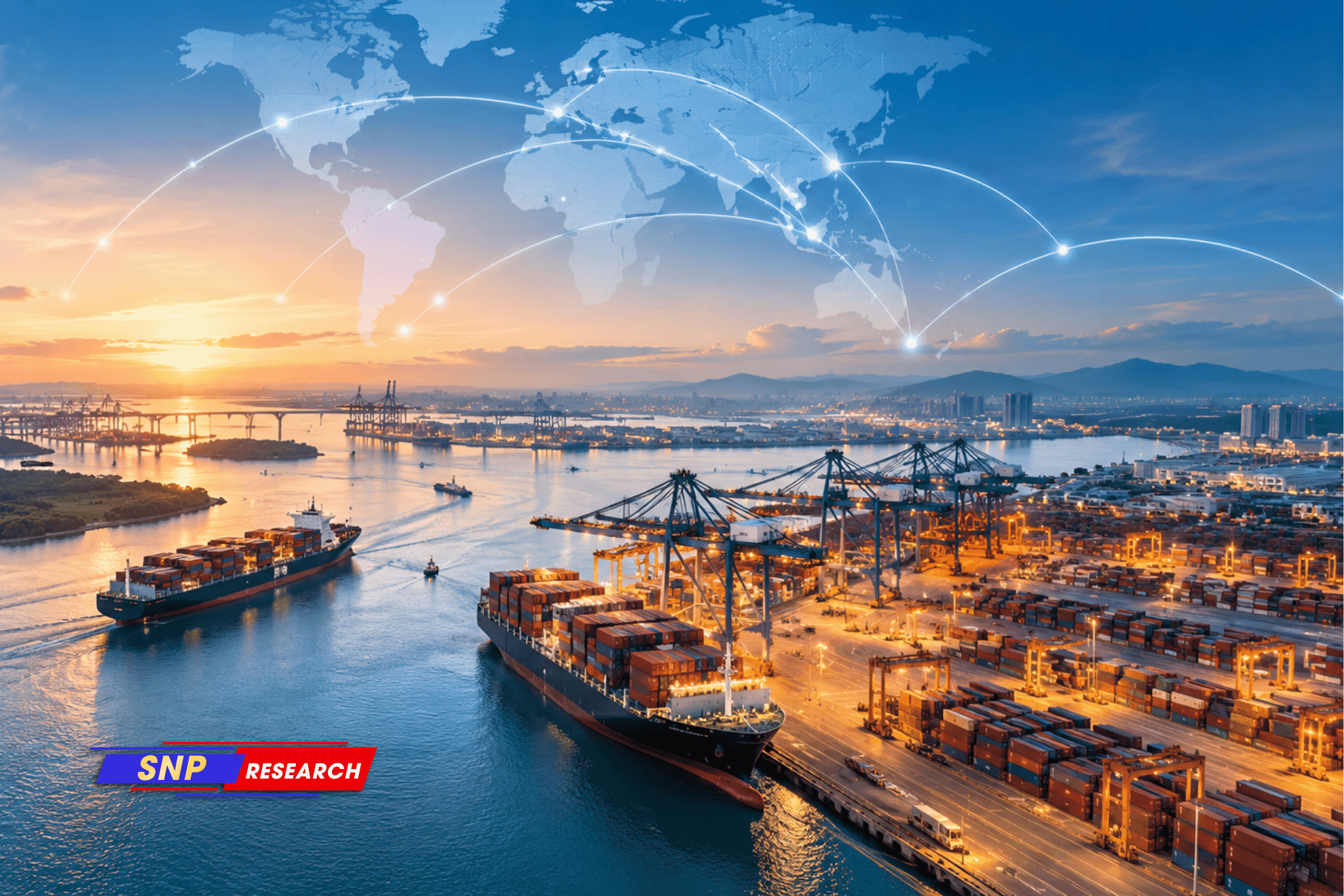
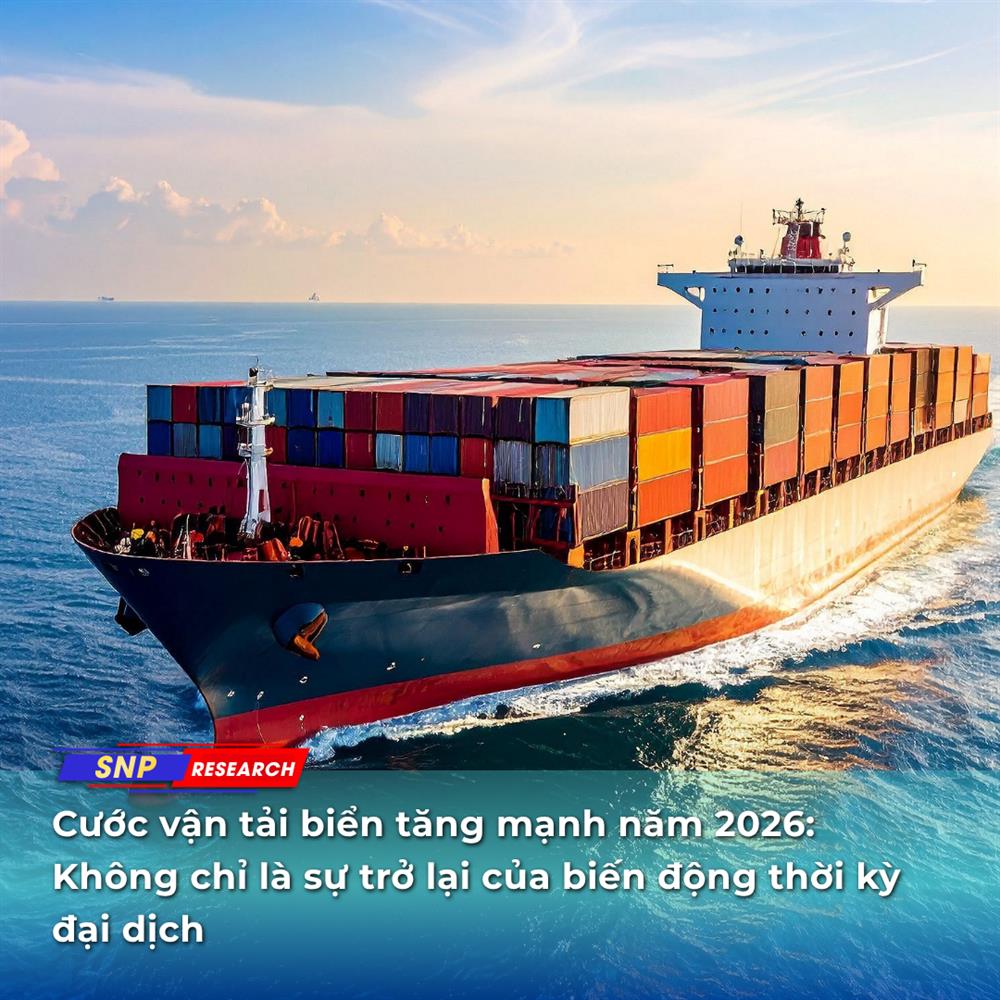
The sharp rise in container freight rates during June 2026 has once again placed global supply chains under pressure. Spot rates on several major trade lanes surged within a matter of weeks, driven by tightening vessel capacity, equipment shortages, and an earlier-than-expected peak shipping season.
While the headlines may remind many of the freight crisis experienced during COVID-19, today's market tells a different story.
Beyond 2018, But Not Another 2021
To better understand the significance of the current freight-rate surge, it is useful to compare today's market with two distinct periods: 2018, which is widely regarded as a benchmark for relatively stable pre-pandemic market conditions, and the 2021–2022 COVID-19 period, when the container shipping industry experienced unprecedented disruption.
In 2018, freight rates generally followed predictable seasonal patterns. Vessel capacity, equipment availability, and cargo demand remained largely balanced, while rate fluctuations on major trade lanes were relatively moderate and manageable.
By contrast, the peak of the COVID-19 pandemic brought severe disruptions to global supply chains. Prolonged port congestion, widespread equipment shortages, labor constraints, and surging consumer demand pushed freight rates to historic highs. The Drewry World Container Index exceeded USD 10,000 per FEU in late 2021, while spot rates on certain Transpacific routes temporarily surpassed USD 12,000–13,000 per FEU, excluding surcharges.
Against this backdrop, the developments seen in June 2026 suggest that the market is entering a different phase altogether. Compared with 2018, the pace of rate increases has far exceeded what would normally be expected during a traditional peak season. On the Shanghai–Los Angeles route alone, spot rates increased by more than USD 1,000 per FEU within a single week—an exceptionally rare movement under pre-pandemic market conditions.
However, compared with the COVID-19 era, current freight-rate levels remain well below the historic peaks recorded in 2021–2022.
In other words, the container shipping industry is not facing a pandemic-style freight crisis. Yet it has clearly moved away from the stability that once characterized the pre-pandemic market. The greater concern today is not the absolute level of freight rates, but the speed of rate movements and the growing difficulty of predicting market conditions.
A New Type of Volatility
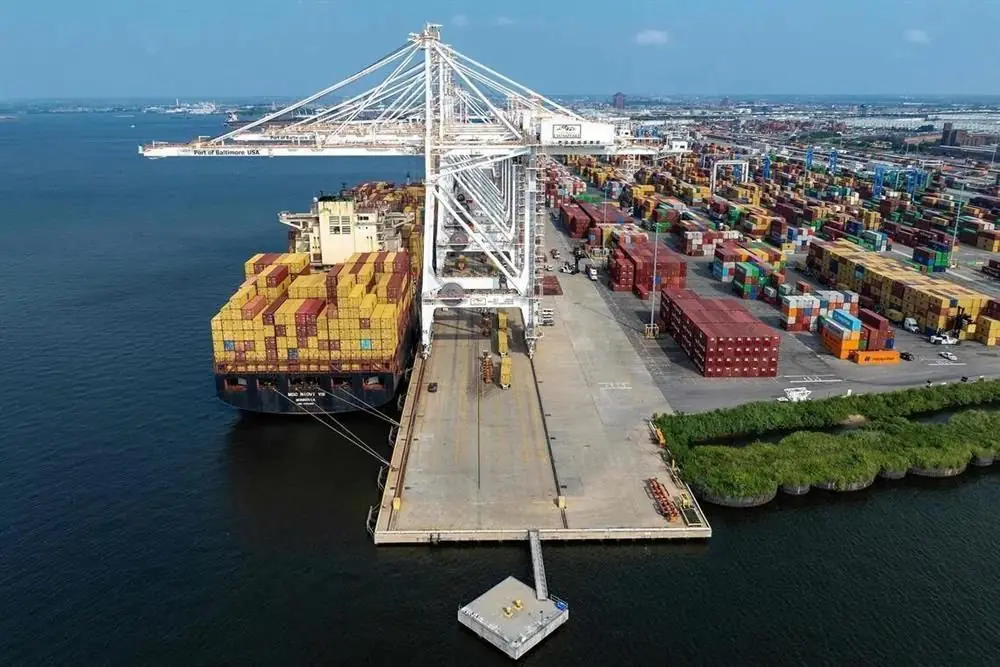
A surge in freight rates often triggers earlier booking activity, placing additional pressure on container terminals, storage yards, and the wider logistics network.
Unlike the pandemic years, when freight markets were driven primarily by a surge in demand and widespread port congestion, today's disruptions are more structural in nature.
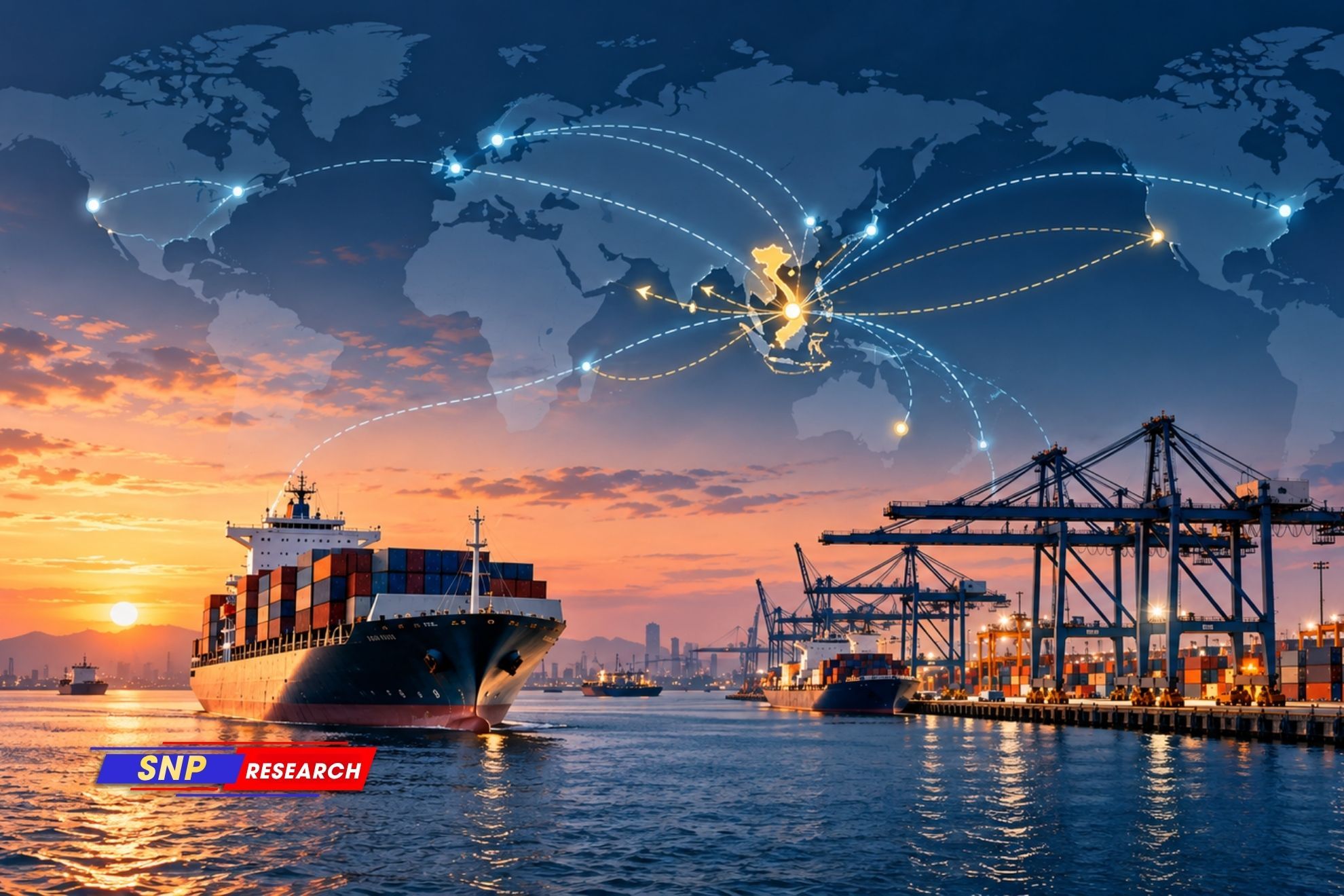
Geopolitical tensions continue to reshape shipping routes. Carriers are adjusting networks in response to security risks and operational constraints, while equipment imbalances persist across key trade corridors. At the same time, global manufacturers continue to diversify sourcing and production locations, creating new cargo flows and capacity pressures.
These factors have created a market where freight rates can move sharply even when vessel capacity appears adequate on paper.
For shippers, the challenge is no longer simply high freight rates. It is the growing difficulty of forecasting transportation costs with confidence.
When Volatility Becomes a Business Problem
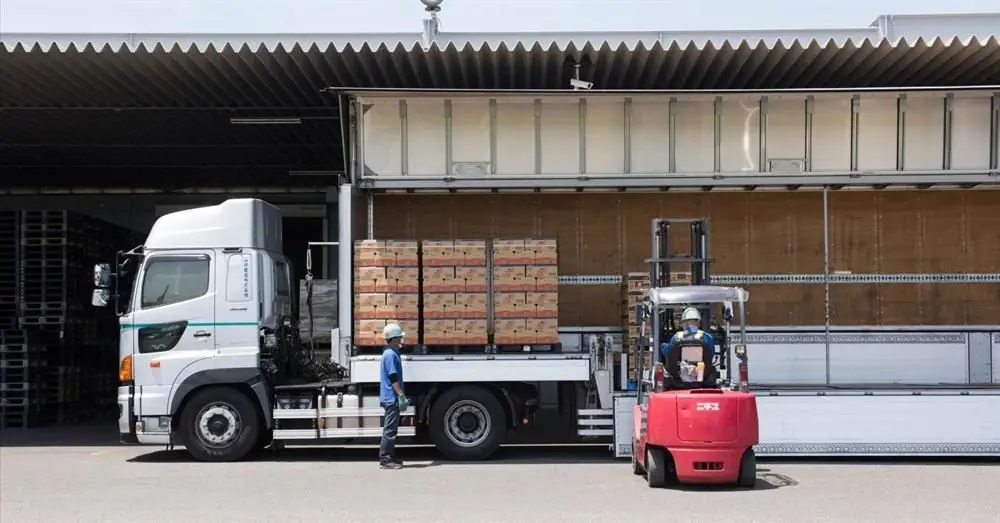
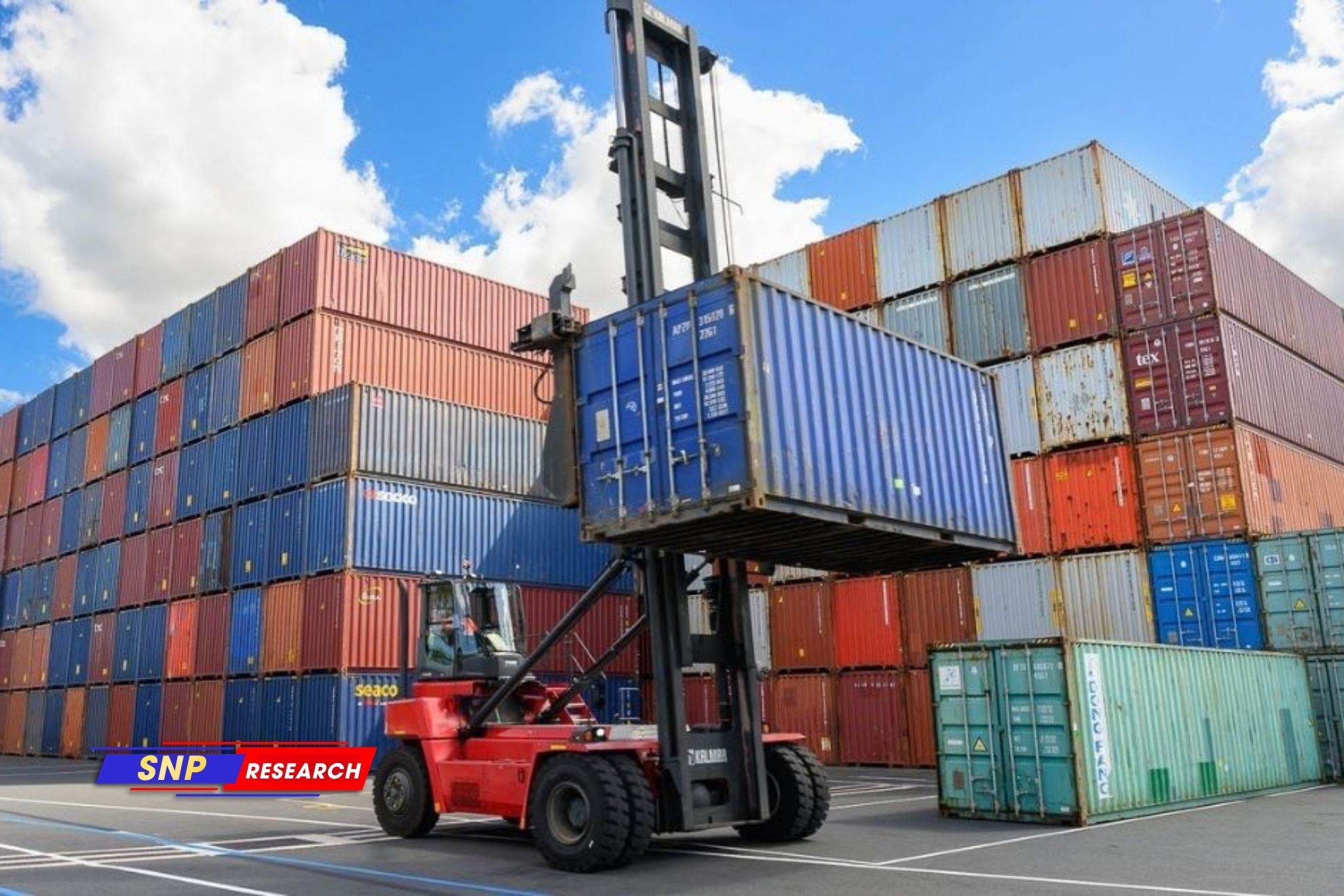
Equipment shortages and imbalances in empty-container availability remain key factors driving freight-rate volatility in 2026.
The most significant impact of the current freight-rate surge extends beyond transportation costs themselves. What concerns many businesses more is the growing difficulty of forecasting logistics expenses and planning with confidence.
When freight rates can rise by more than USD 1,000 per FEU within a single week, budgeting, business planning, and logistics cost management become considerably more challenging, particularly for shipments and commercial agreements that were negotiated months in advance.
The impact is particularly visible across several of Vietnam's key export sectors. In the furniture and wood-products industry, where freight can account for a significant share of landed costs, sudden rate increases can quickly compress already thin margins. In garments and footwear, the greater concern is often scheduled reliability, as delayed shipments may affect seasonal retail launches. Meanwhile, electronics manufacturers face challenges in managing complex cross-border supply chains, where fluctuating logistics costs can complicate production planning and pricing decisions.
Ultimately, the greatest cost of volatility is not always the freight rate itself. It is the loss of predictability that businesses rely on to make commercial and operational decisions.
Growing Pressure on Vietnam's Logistics System
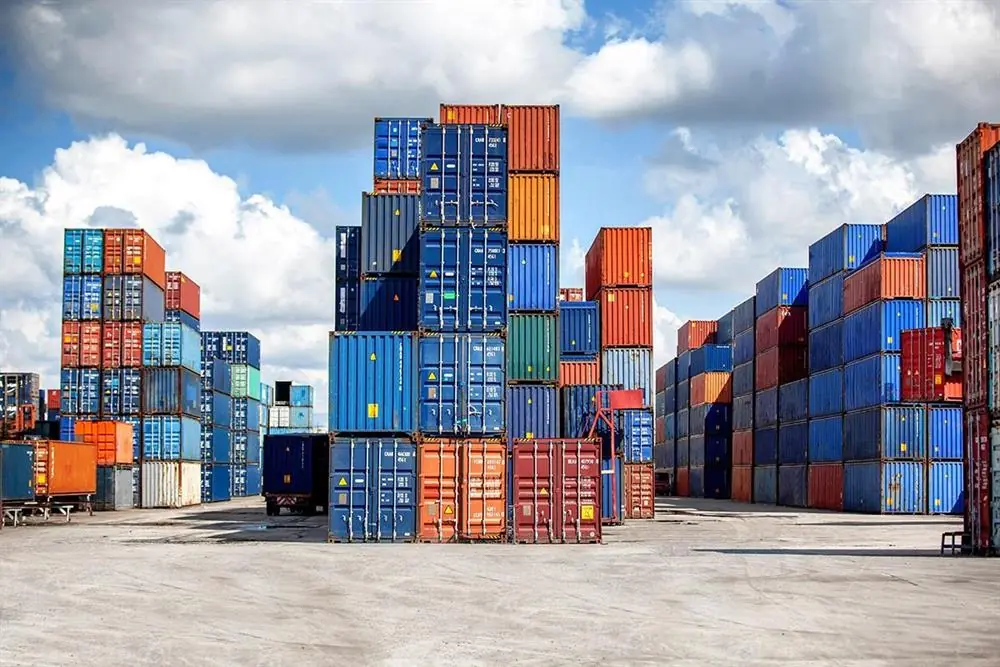
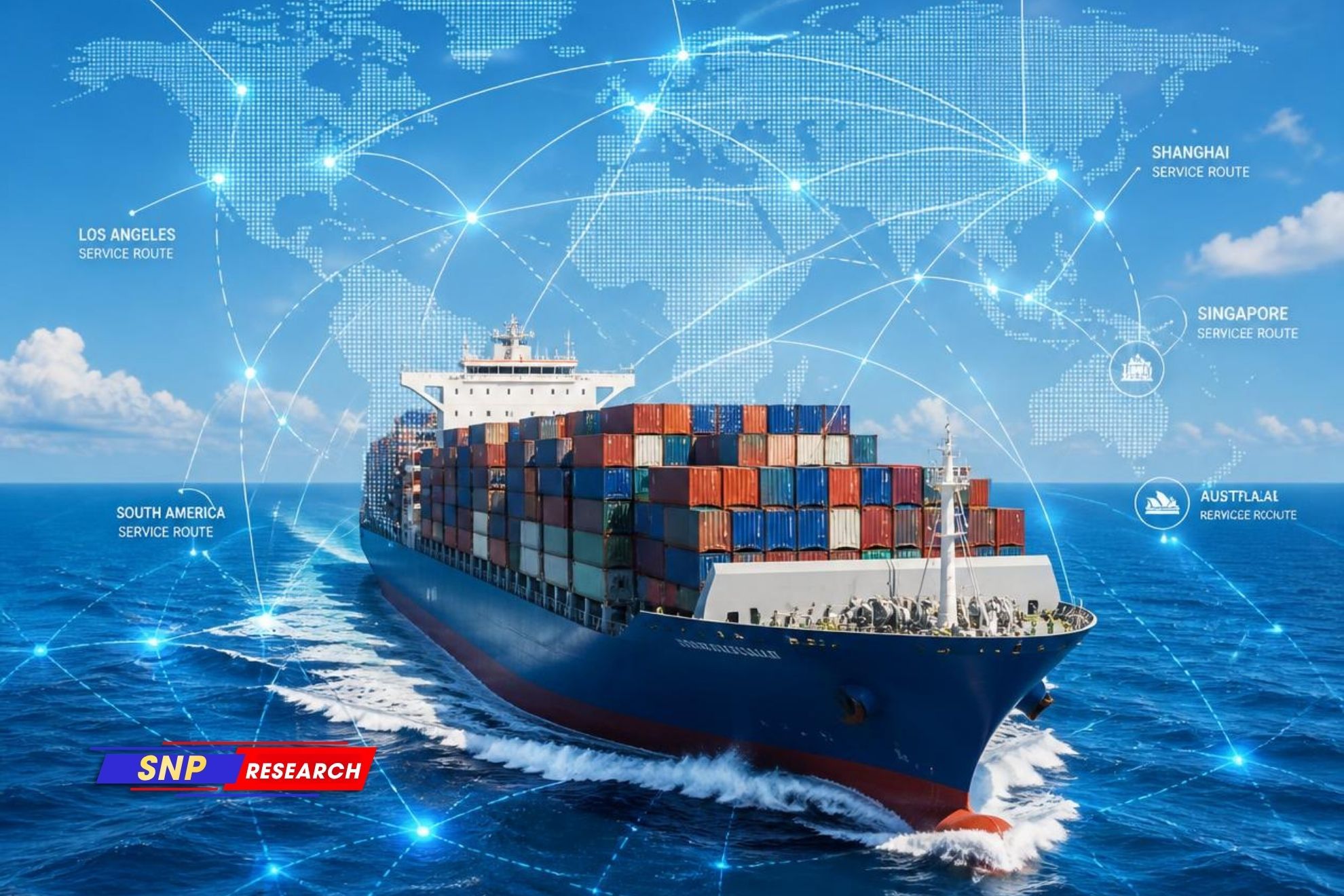
Freight-rate volatility extends beyond ocean shipping, affecting inventory planning, production schedules, and overall supply-chain management.
The effects of freight volatility extend beyond exporters and shipping lines.
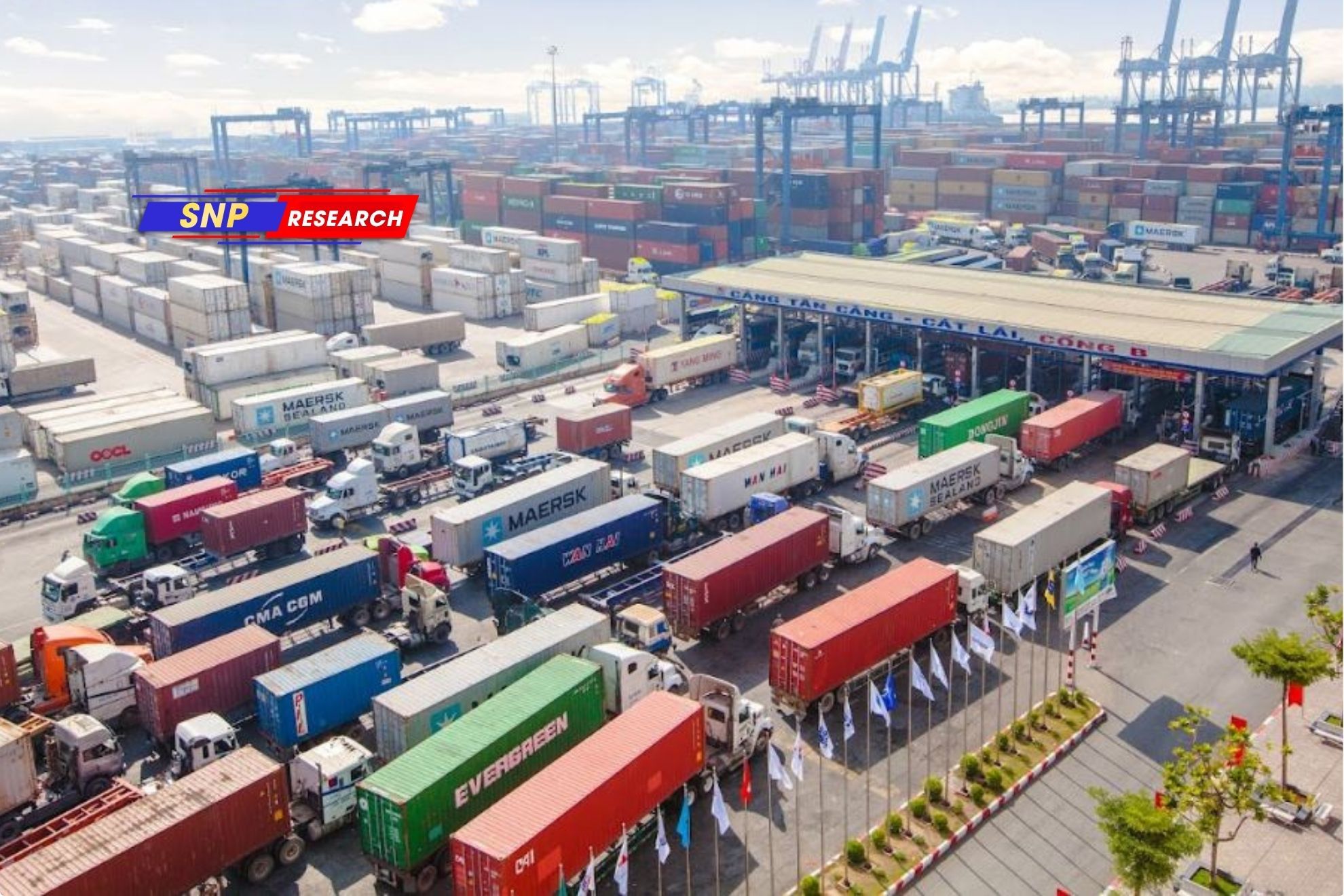
When rates rise rapidly, many shippers accelerate bookings to secure space before further increases. This can create sudden surges in container gate-in volumes, placing pressure on trucking networks, customs clearance operations, and port infrastructure.
At major gateway ports such as Ho Chi Minh City and Cai Mep – Thi Vai, operators may experience increasingly uneven vessel arrival patterns. Periods of relatively light activity can be followed by multiple vessel arrivals within a short timeframe, creating temporary congestion at berths and container yards.
Equipment shortages present another challenge. As empty containers are repositioned toward high-demand export markets, local shortages of specific container types can disrupt cargo planning and reduce operational efficiency across the logistics chain.
Building Resilience in the New Normal
If current market conditions have demonstrated anything, it is that volatility is becoming a structural feature of global supply chains rather than a temporary disruption.
To adapt, stakeholders across the logistics sector may need to focus on resilience as much as efficiency.
For port operators, greater use of predictive analytics and digital planning tools can help anticipate vessel bunching and improve yard management.
For logistics providers, stronger integration among deep-water ports, inland container depots (ICDs), and barge networks can reduce congestion risks and improve cargo-flow flexibility.
For shippers, a balanced mix of long-term freight contracts and flexible procurement strategies may provide greater cost visibility than relying solely on spot-market opportunities.
Looking Ahead
The freight surge of June 2026 may not match the record-breaking levels seen during the pandemic, but it highlights a new reality for global trade.
The challenge facing supply chains today is no longer a single extraordinary crisis. Instead, it is learning how to operate in a market where geopolitical disruptions, equipment imbalances, and rapid freight-rate swings are becoming increasingly common.
For businesses across Vietnam and the wider region, resilience, visibility, and adaptability are likely to become just as important as cost and capacity in the years ahead.