Ocean Freight Rates Expected to Peak in July as Supply Chain Disruptions Persist
19/06/2026
Ocean freight rates and container shipping costs across major trade lanes are showing renewed signs of upward pressure as vessel capacity remains constrained. Amid ongoing port congestion, elevated fuel costs, and geopolitical uncertainties, the global logistics market is expected to face continued volatility in the months ahead.
Ocean Freight Rates Expected to Peak in July
The European Continent (EC) freight futures market has witnessed strong trading activity, particularly after major carriers announced additional rate increases in mid-June.
Among the actively traded contracts, EC2607 — representing market expectations for July 2026 freight rates — recorded the strongest gain, rising approximately 20% within a single week. This suggests that market participants are increasingly pricing in a July peak for freight rates.
Market liquidity has also increased significantly. As of June 1, trading volume in the Shanghai EC market exceeded 49,000 contracts, the highest level since early March. Open interest also surpassed 50,000 contracts, reflecting growing confidence that ongoing supply chain disruptions will continue to support higher container freight rates.
What Are Spot and Futures Markets Telling Us About Freight Rates?
Current futures pricing reveals a substantial gap between today's spot market and market expectations for the months ahead.
According to EC Futures pricing, Asia–Europe freight rates could approach USD 6,000 per FEU in July, approximately 91% higher than current spot market levels.
Meanwhile, the FBX11 contract traded on the Singapore Exchange projects a more conservative rate of around USD 4,400 per FEU, highlighting the uncertainty that still surrounds future market conditions.
While many market participants expect freight rates to peak in July, current pricing does not indicate a significant correction immediately afterward. August contracts continue to trade at a premium of approximately 58% above current spot rates, suggesting that vessel space shortages could extend well beyond the traditional peak shipping season.
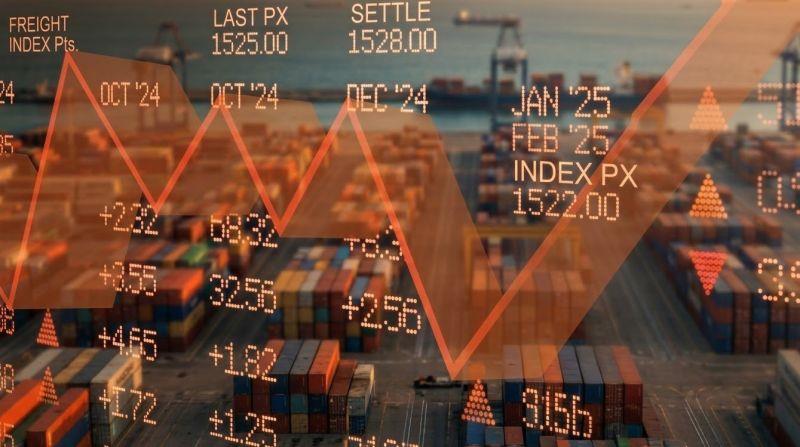 The market continues to record elevated freight rates in mid-June.
Why Long-Term Freight Contracts Are No Longer Fully Protecting Shippers
Capacity constraints are no longer driven solely by temporary congestion events. Many importers, exporters, and manufacturers are discovering that long-term freight contracts offer less protection than expected during periods of extreme market volatility.
Additional surcharges continue to rise: Even when annual contracts fix base freight rates, carriers can still impose various surcharges, including Emergency Bunker Surcharges (EBS), Peak Season Surcharges (PSS), and war-risk premiums. As operating costs increase, these surcharges are being adjusted more frequently. Many cargo owners report additional expenses ranging from USD 800 to USD 1,500 per container.
Cargo rolling remains a major challenge: Beyond rising costs, securing vessel space has become increasingly difficult. During periods of tight capacity, carriers often prioritize higher-yield spot cargo over contractual shipments, resulting in more frequent cargo rollovers and shipment delays.
Financial pressure continues to build: Vessel rerouting around the Cape of Good Hope due to tensions in the Middle East has extended transit times by 10 to 20 days. This lengthens inventory cycles, increases working capital requirements, and places additional pressure on corporate cash flow.
How Importers and Exporters Are Reshaping Their Supply Chains
Facing prolonged uncertainty, many cargo owners are shifting from short-term mitigation measures toward longer-term strategic adjustments.
Nearshoring and Friendshoring: These strategies continue to gain momentum as multinational companies move production closer to end markets or toward politically stable sourcing locations. North American importers are expanding procurement from Mexico, while European businesses are increasing sourcing from Eastern Europe and emerging manufacturing hubs in Southeast Asia.
Alternative logistics solutions: Sea-air transportation is gaining renewed interest as an alternative to heavily congested ocean freight routes. At the same time, the China-Europe Railway Express is experiencing stronger demand as shippers prioritize schedule reliability.
Greater demand for transparency: Large cargo owners, particularly major retailers, are increasingly demanding greater transparency from carriers regarding fuel surcharge calculations and emergency cost adjustments.
 Supply Chain Diversification Trends in Response to Prolonged Market Uncertainty
Saigon Newport Perspective: Building More Resilient Supply Chains
As freight rates remain elevated and supply chain disruptions persist, competitive advantage increasingly depends on maintaining cargo flow stability rather than simply securing the lowest transportation cost.
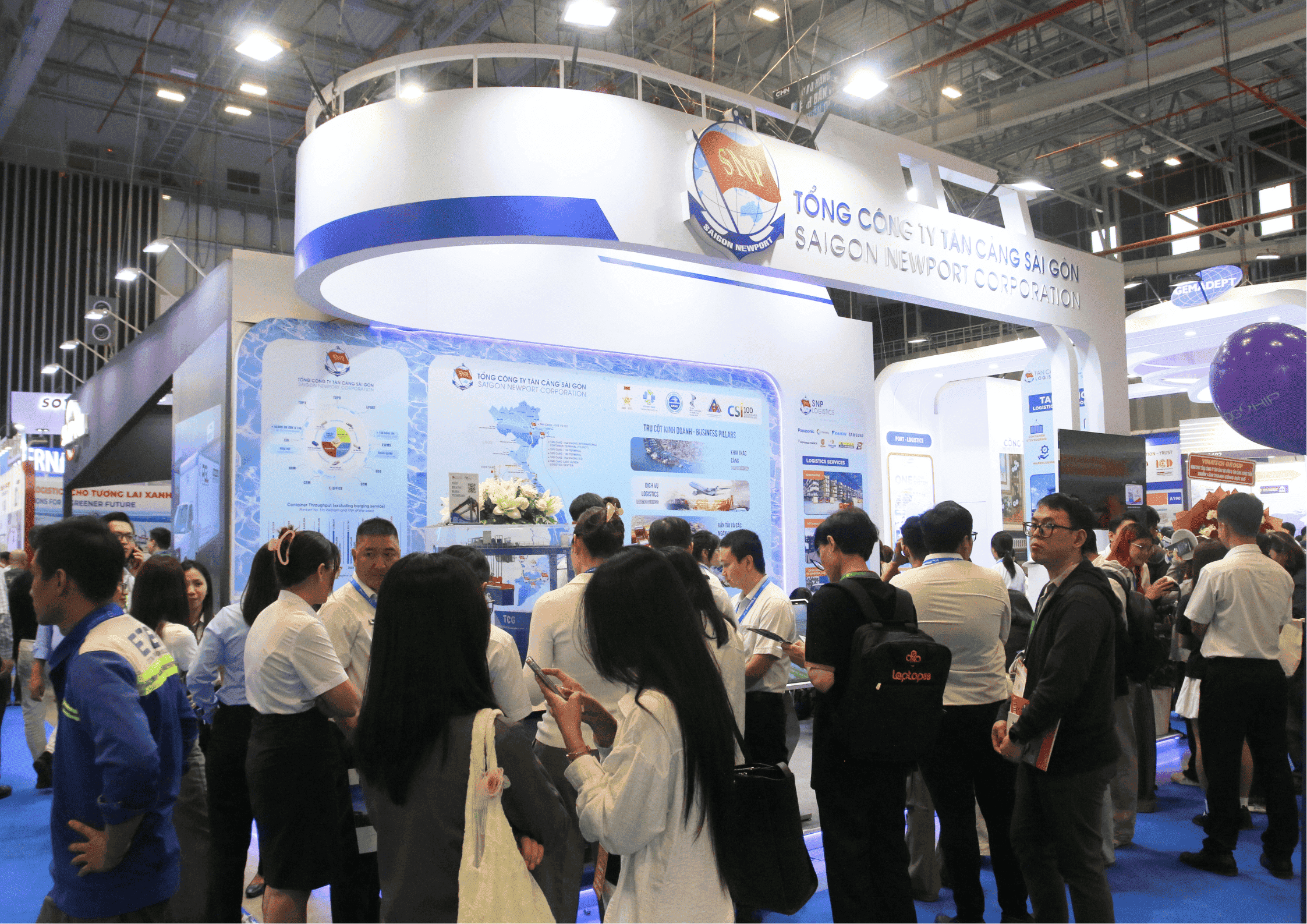
With an integrated ecosystem of seaports, inland container depots (ICDs), depots, inland waterway transport, and nationwide logistics services, Saigon Newport Corporation helps importers and exporters improve cargo visibility, optimize logistics costs, and strengthen supply chain resilience amid ongoing market volatility.
Market Outlook
Persistent port congestion, longer sailing distances, elevated fuel costs, equipment imbalances, and evolving carrier pricing strategies continue to limit effective shipping capacity across global trade networks.
Although freight rates are expected to peak in July, market indicators suggest that rates may remain elevated throughout August and potentially into the third quarter. For importers and exporters, proactive transportation planning, logistics risk management, and stronger supply chain connectivity will remain critical priorities.
As freight markets continue to face uncertainty, businesses should strengthen long-term logistics planning and enhance supply chain flexibility. Leveraging integrated port and logistics ecosystems will play an increasingly important role in maintaining cargo flow stability and improving overall supply chain performance.