Cat Lai – Phu Huu inter-port road: removing traffic bottlenecks and expanding logistics capacity in the Southeast Region
22/06/2026
The Cat Lai – Phu Huu inter-port road project is expected to become an important solution for optimizing traffic flows in the Cat Lai port area, while expanding logistics capacity, promoting inland waterway transport, and strengthening cargo connectivity across the entire Southeast Region.
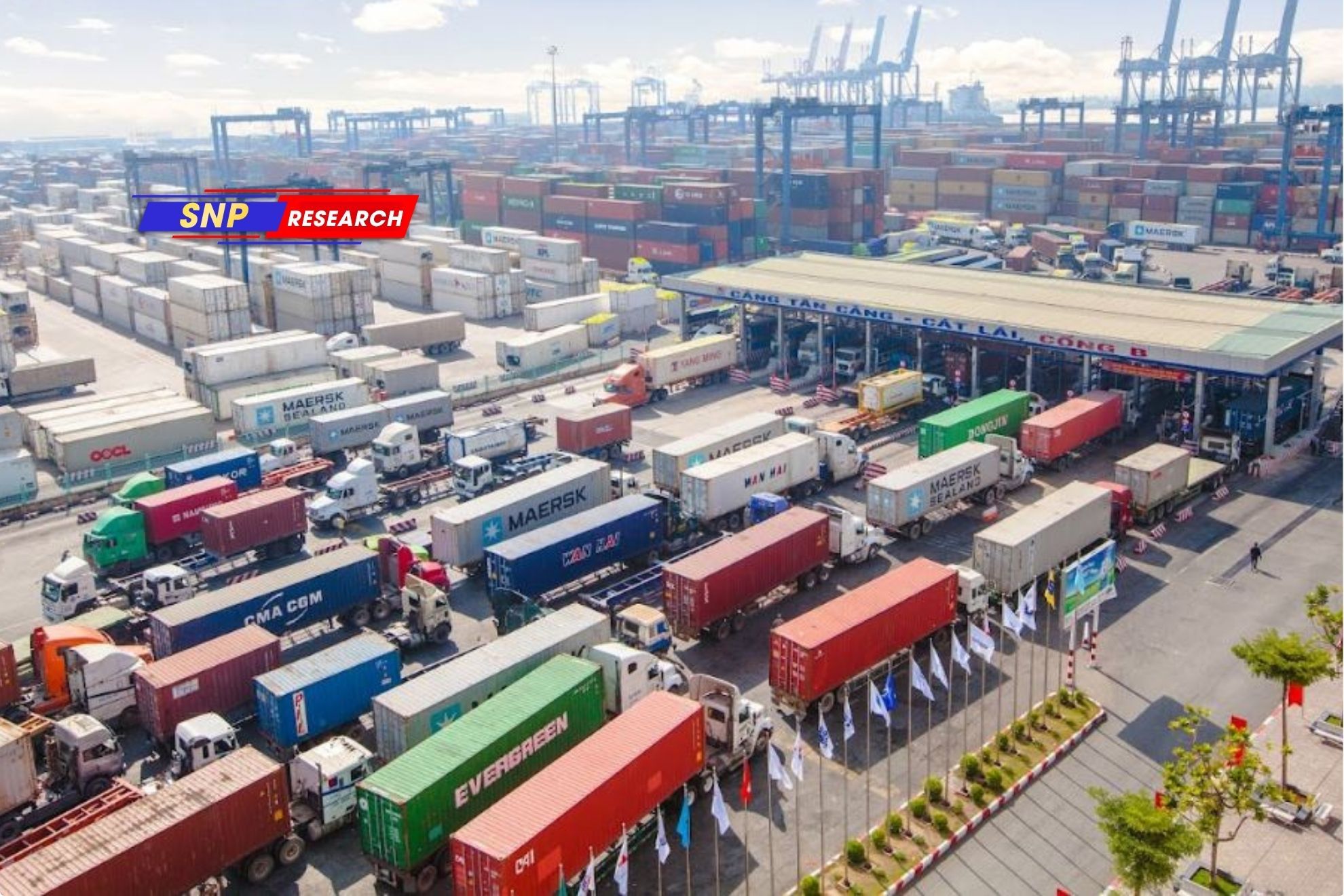
For many years, the Cat Lai port area has been regarded as the largest logistics hub in the South, handling a major share of import and export cargo for Ho Chi Minh City and provinces in the Southern Key Economic Region. However, increasing traffic pressure in this area has become one of the major challenges for logistics operations in Ho Chi Minh City.
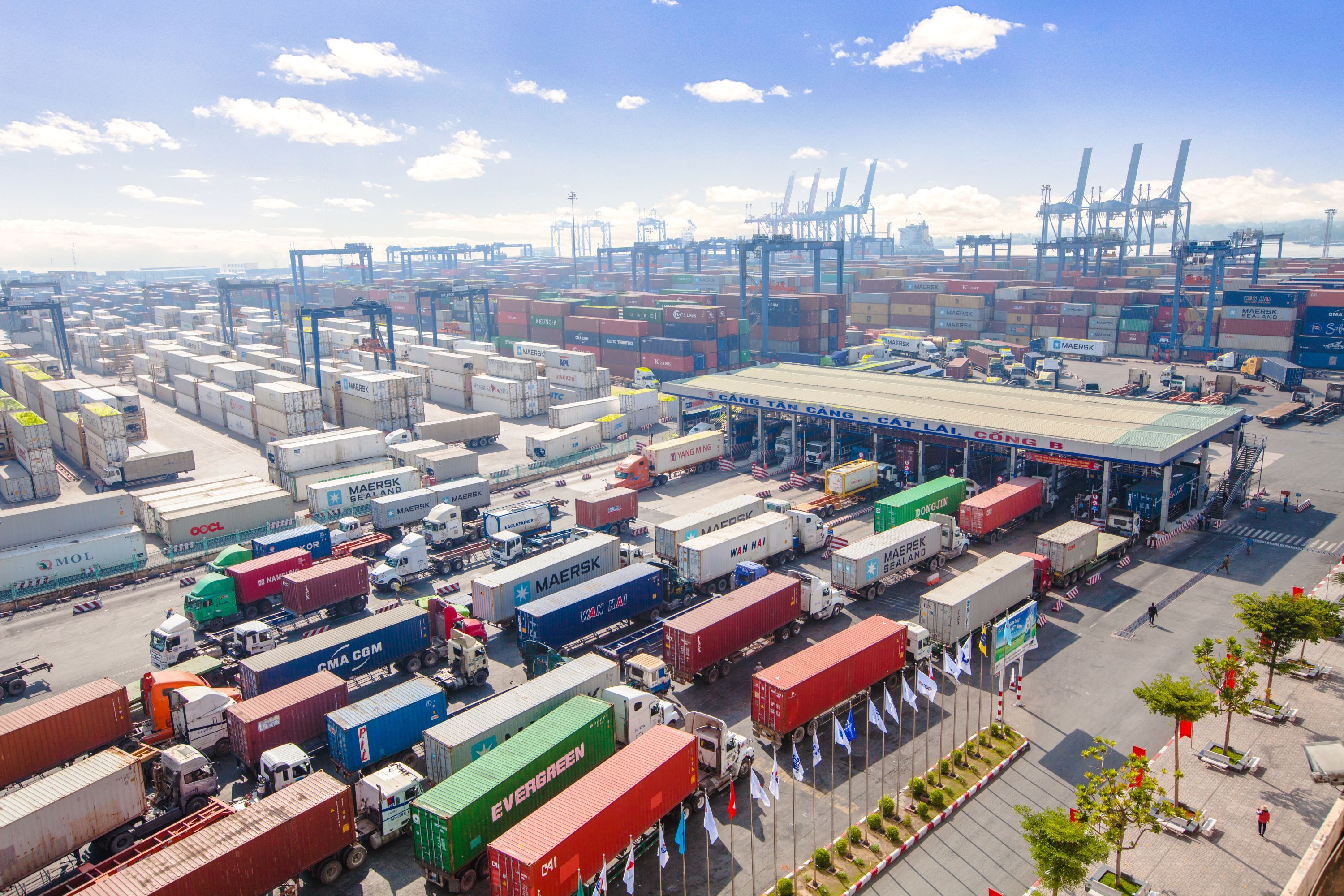
Key routes such as Nguyen Thi Dinh, Dong Van Cong, Mai Chi Tho, and the Phu My Bridge area are frequently operating beyond their designed capacity. Container trucks and residential vehicles currently share the same transport infrastructure, reducing traffic speed, prolonging cargo transport time, increasing logistics costs, and directly affecting the quality of life of residents in eastern Ho Chi Minh City.
For many years, the Cat Lai port area has been regarded as the largest logistics hub in the South, handling a major share of import and export cargo for Ho Chi Minh City and provinces in the Southern Key Economic Region. However, increasing traffic pressure in this area has become one of the major challenges for logistics operations in Ho Chi Minh City.
Key routes such as Nguyen Thi Dinh, Dong Van Cong, Mai Chi Tho, and the Phu My Bridge area are frequently operating beyond their designed capacity. Container trucks and residential vehicles currently share the same transport infrastructure, reducing traffic speed, prolonging cargo transport time, increasing logistics costs, and directly affecting the quality of life of residents in eastern Ho Chi Minh City.
Cat Lai Port is currently the largest container gateway in the country and also the area facing the greatest traffic pressure in eastern Ho Chi Minh City.
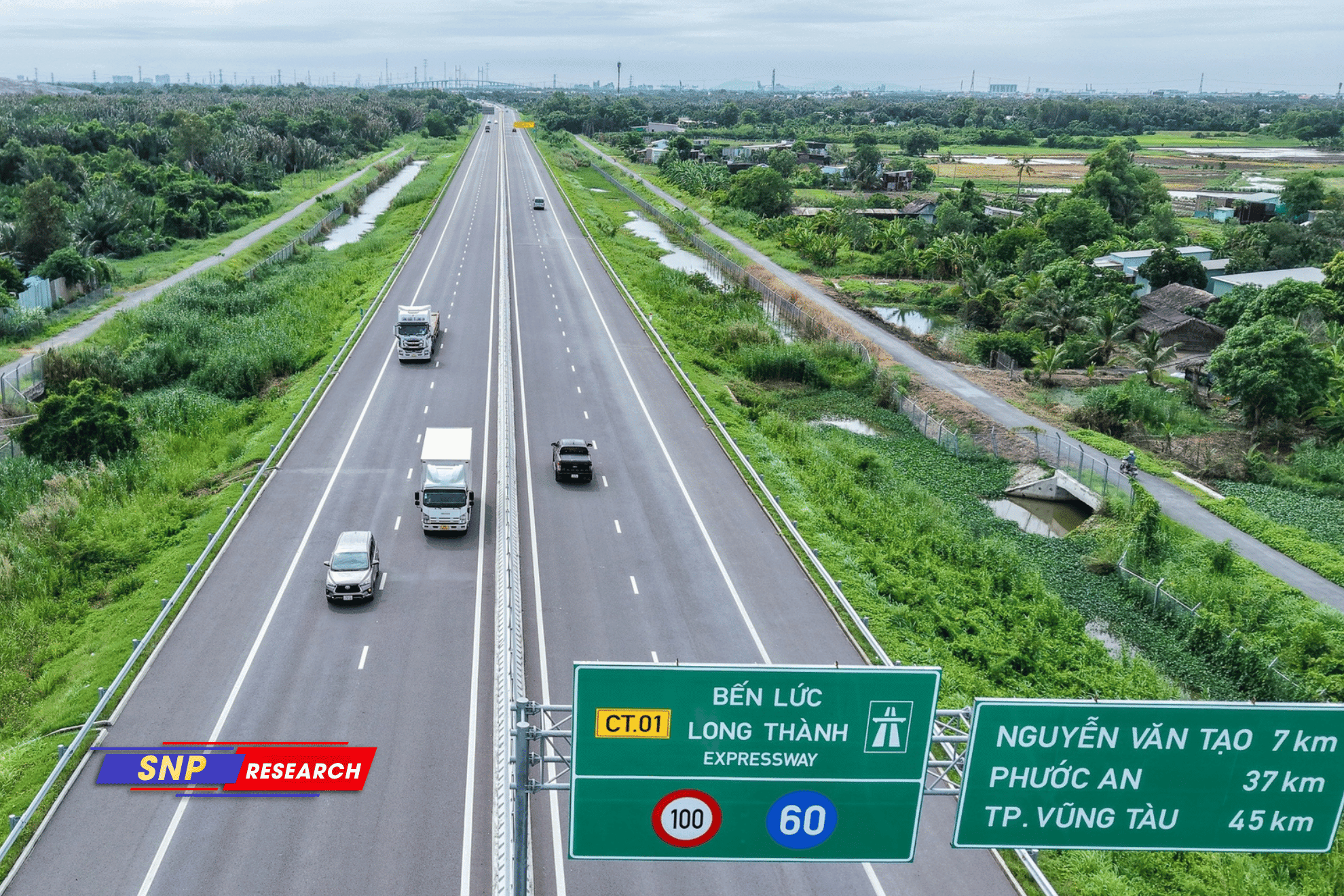
In this context, the Cat Lai – Phu Huu inter-port road project, which will directly connect with the Ho Chi Minh City – Long Thanh – Dau Giay Expressway and Ring Road 3, is expected to become an important solution to the urban traffic challenge, while expanding seaport and logistics handling capacity for the entire Southeast Region.
According to the proposed study plan, the route will be approximately 5.9 km long, with a scale of 6 to 10 lanes and an estimated total investment of around VND 8,782 billion. Unlike ordinary urban roads, this route is designed to directly serve cargo transport, forming a dedicated freight corridor connecting seaports with the expressway and ring road network.
The Cat Lai inter-port road helps optimize traffic flows in the port area
The greatest value of the inter-port road lies in its ability to address one of Ho Chi Minh City’s most serious traffic bottlenecks.
Once container trucks have a direct route from the port to the expressway and Ring Road 3, pressure on existing roads will be significantly reduced. Hotspots such as Nguyen Thi Dinh, Dong Van Cong, Phu My Bridge, and intersections around the Cat Lai area will be relieved; the movement of cargo trucks through residential areas will also be limited. This is not only a solution for the logistics sector, but also an urban transport, environmental, and social welfare solution for local residents.
The benefits of the project, therefore, are not limited to logistics enterprises or seaports. It will also bring direct value to residents by improving traffic flow, reducing the risk of traffic accidents, lowering environmental pollution, and enhancing urban living standards.
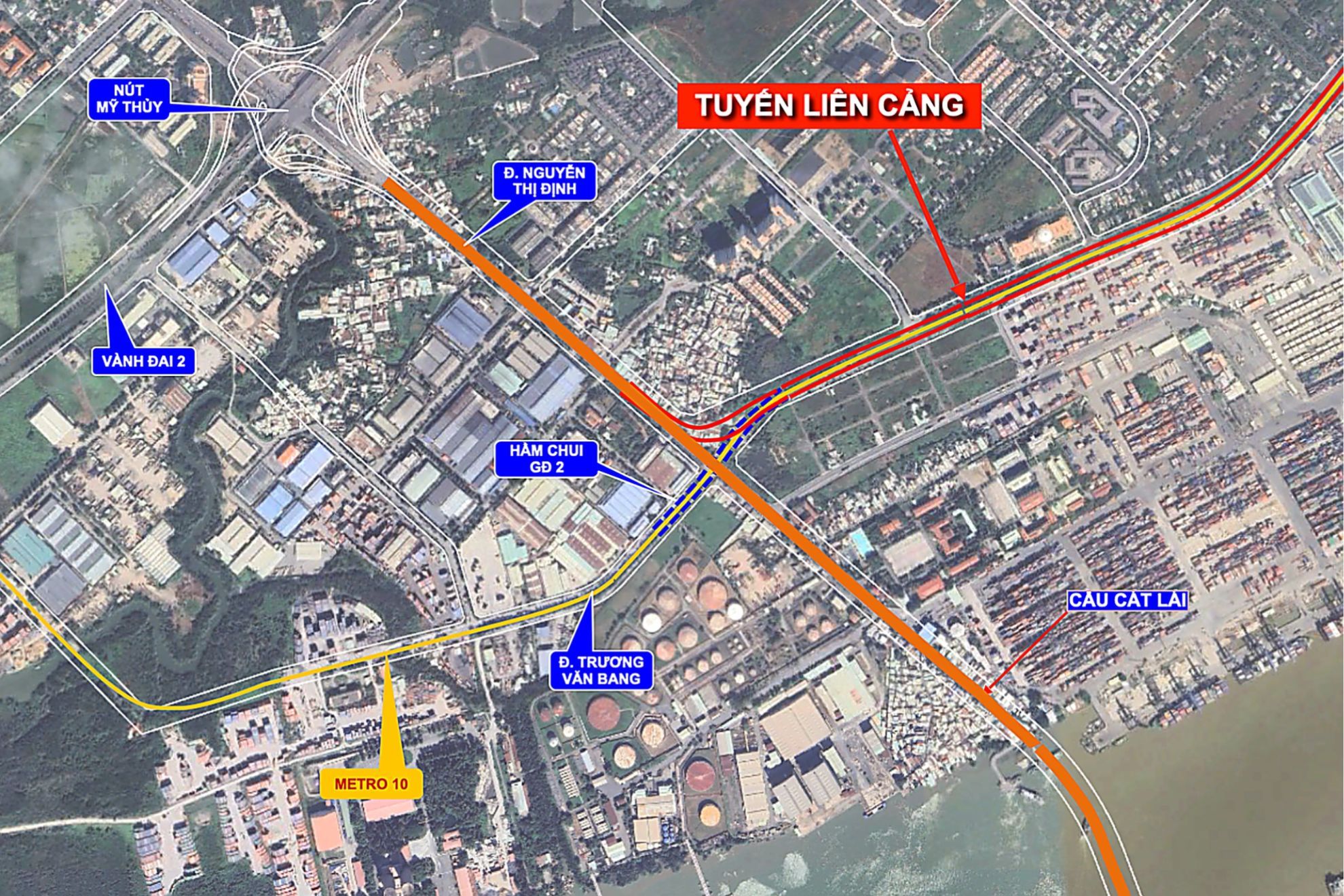
Perspective of the Cat Lai – Phu Huu inter-port road section passing through Tan Cang – Cat Lai Terminal
Expanding logistics capacity and seaport connectivity in Ho Chi Minh City
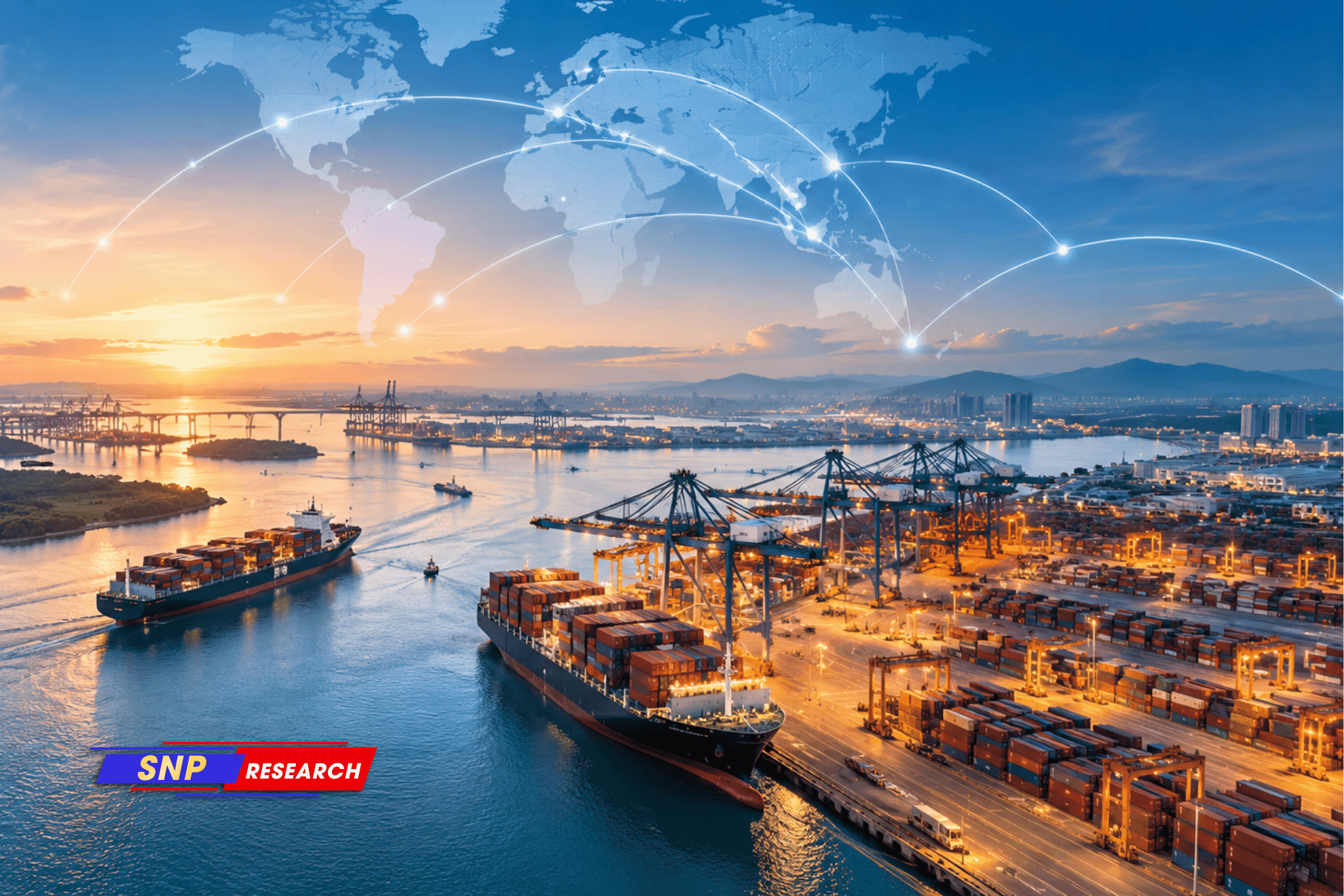
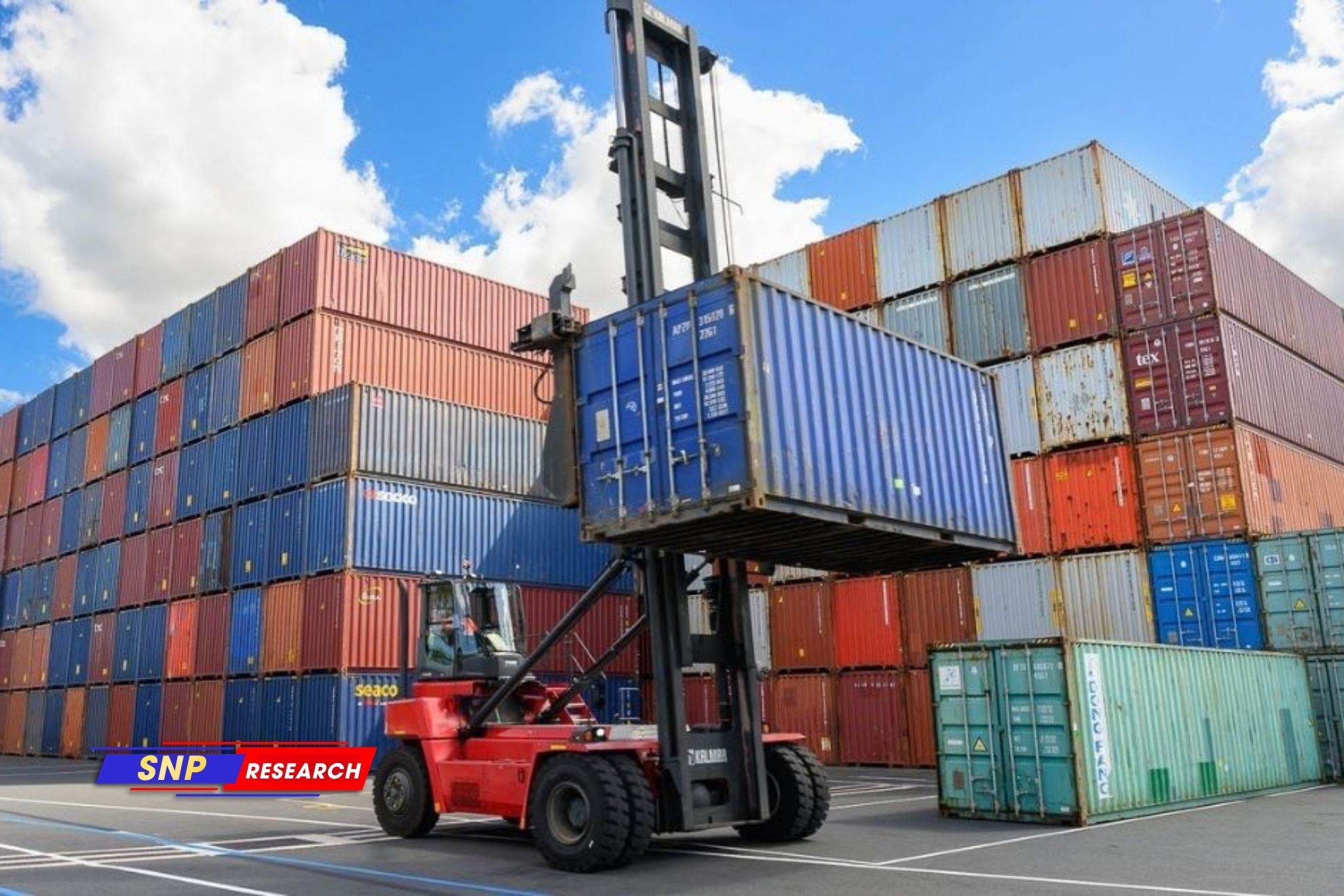
At present, Tan Cang – Cat Lai remains the largest container port in the country, handling nearly 6 million TEUs per year and accounting for approximately 87% of the container throughput of the Ho Chi Minh City port area. This demonstrates the particularly important role of the Cat Lai area in the import-export supply chain of the entire Southern region.
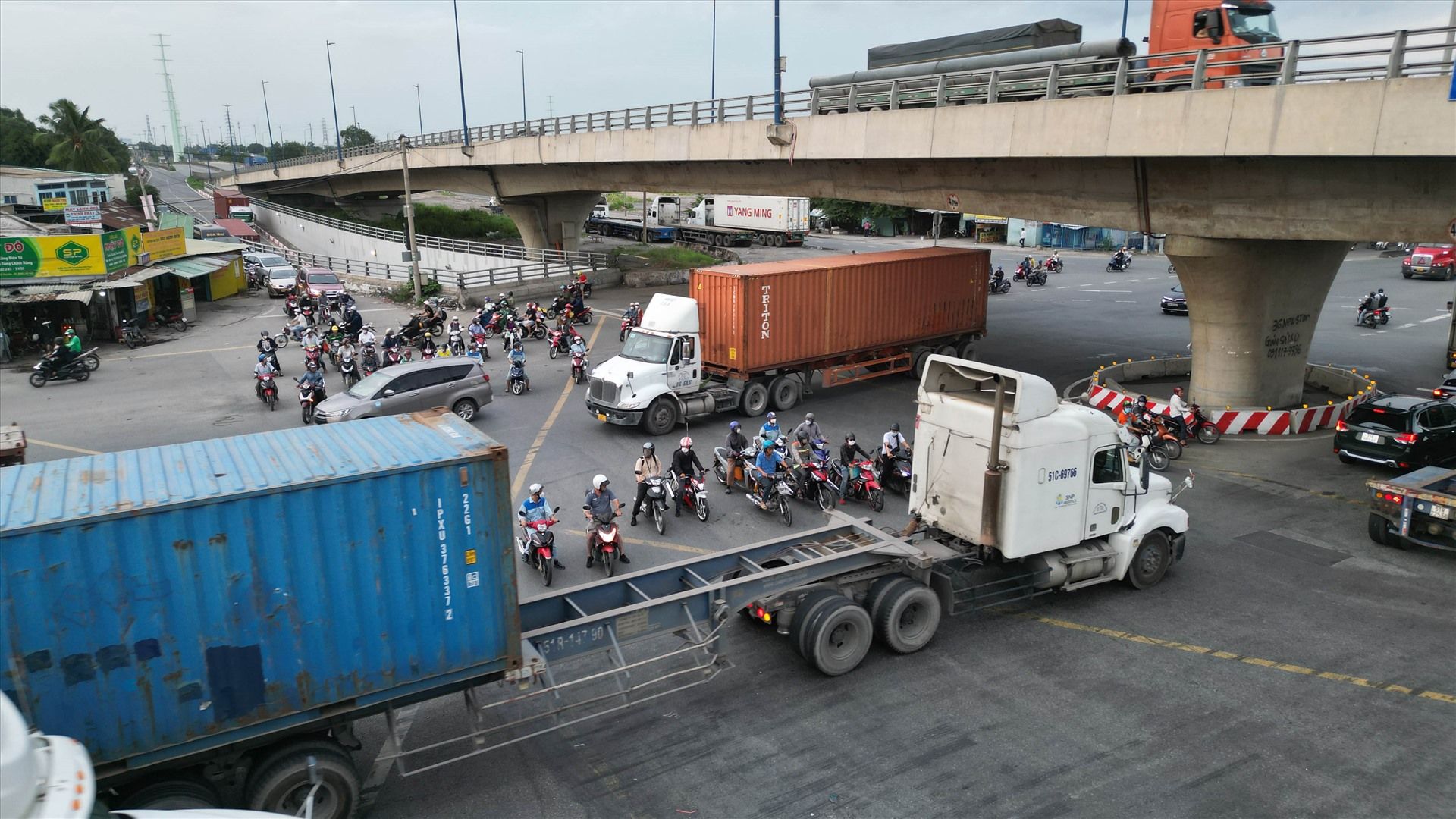
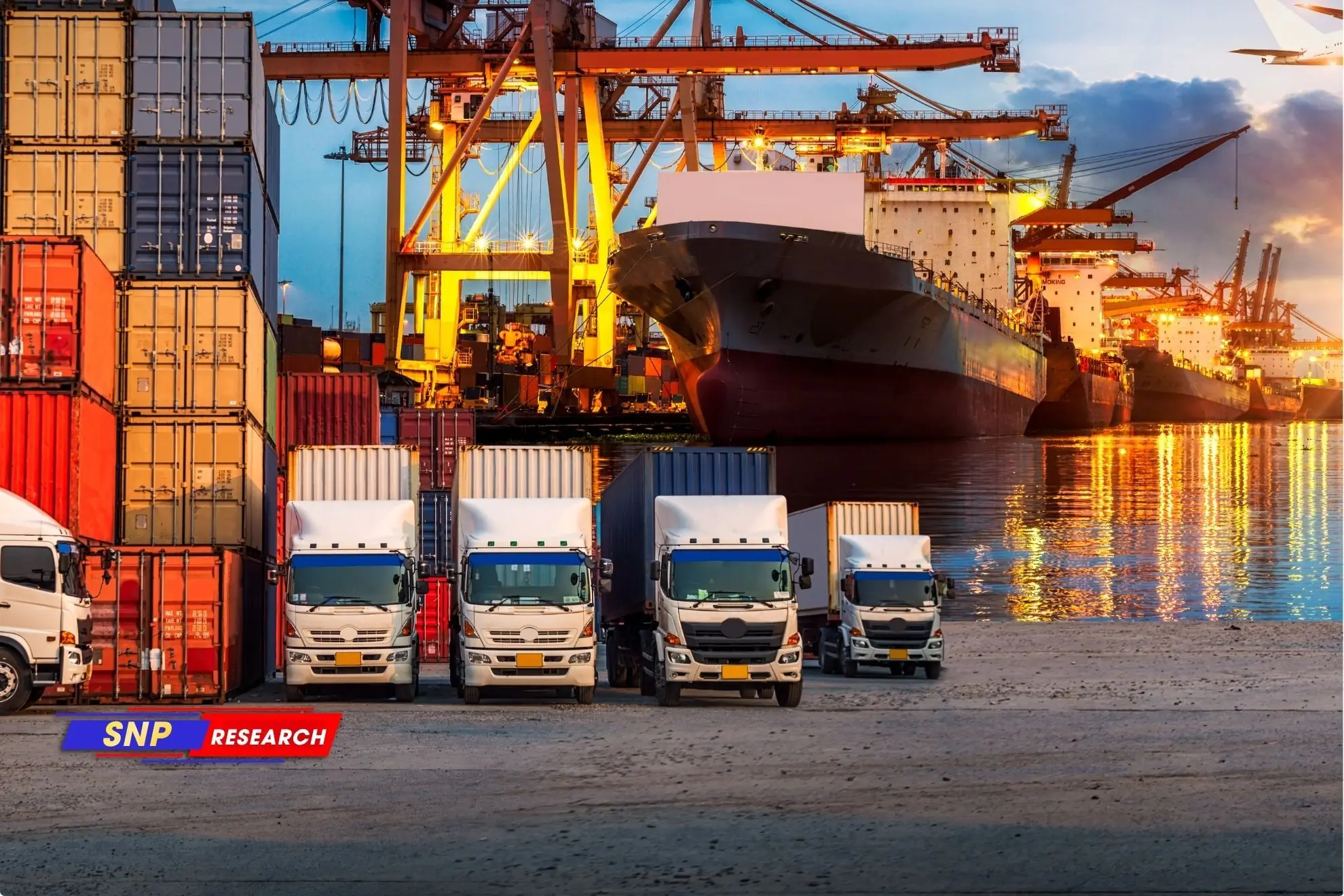
Container trucks and residential vehicles currently still share the same transport infrastructure, placing heavy pressure on gateway roads in the Cat Lai area.
However, the biggest challenge today does not lie in berth handling capacity, but in hinterland connectivity behind the port. When traffic congestion occurs, the entire logistics chain is affected, from manufacturers, shipping lines, and transport operators to local residents.
The inter-port road is therefore not merely a transport infrastructure project, but an important link in enhancing the receiving capacity of the region’s overall logistics system. It is also a necessary condition for effectively implementing the orientation of cargo flow regulation and strengthening inland waterway transport under the Ministry of Construction’s project on optimizing transport connectivity and seaport operations for Seaport Group 4.
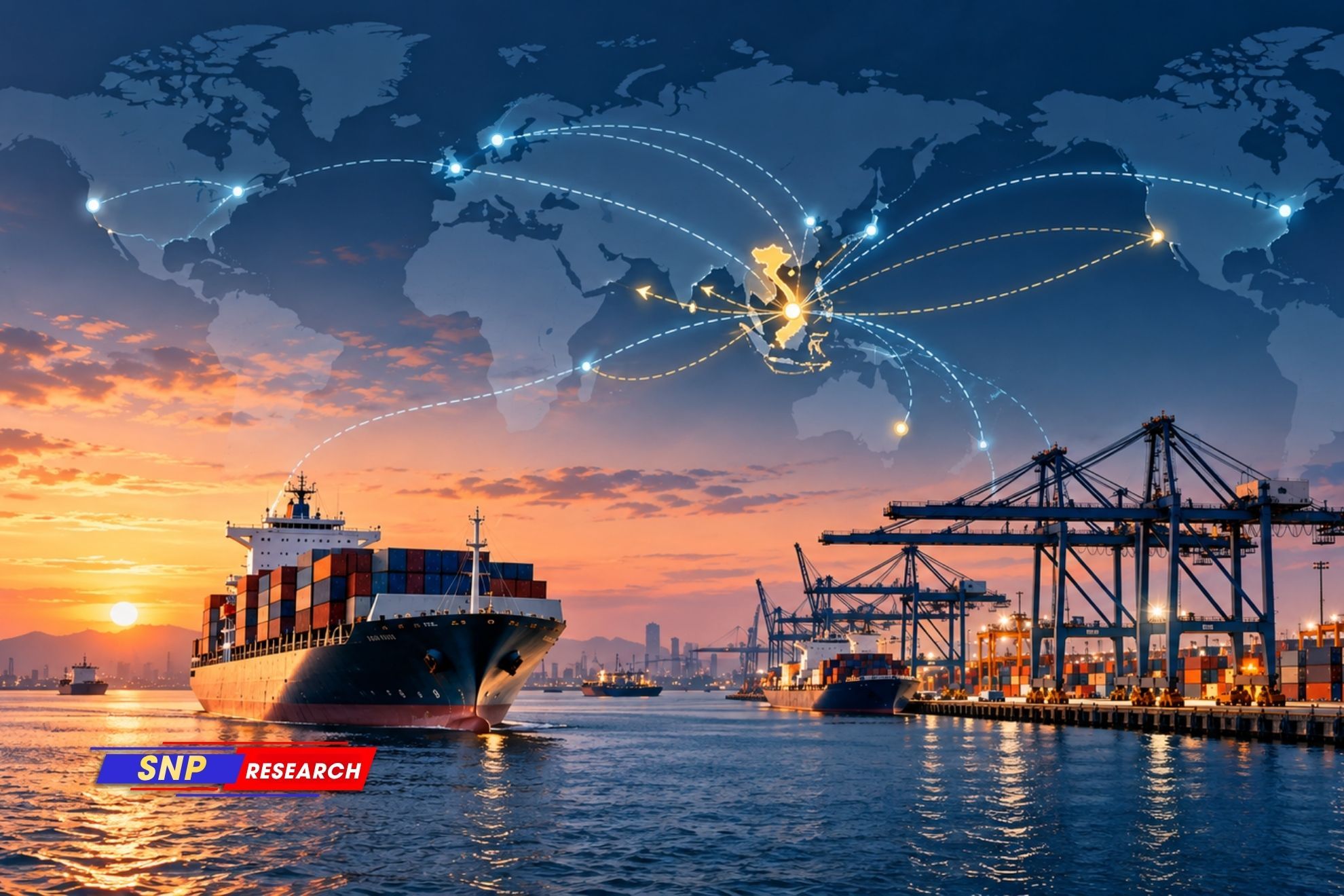
When cargo from the Mekong Delta, Dong Nai, Binh Duong, and industrial parks across the region is transported by barge to ICDs, inland waterway terminals, and satellite logistics facilities, pressure on the road network will be significantly reduced. The capacity released from the road transport system will allow the Cat Lai – Phu Huu port cluster to receive larger cargo volumes without increasing pressure on urban infrastructure.
A driving force for inland waterway transport and the Southeast Region’s logistics chain
In the coming years, the Southeast Region will remain the country’s largest production and export hub. Demand for cargo transport through the seaport system is forecast to continue growing strongly, placing increasing pressure on transport infrastructure.
If a dedicated freight corridor is not formed soon, traffic pressure in the Cat Lai area will continue to increase alongside the region’s import-export growth. At that point, not only logistics operations, but also enterprises’ transport costs, the competitiveness of export cargo, and residents’ quality of life will be directly affected.
Within the overall infrastructure planning for eastern Ho Chi Minh City, both the inter-port road and Cat Lai Bridge are important projects, contributing to regional connectivity and socio-economic development. However, in terms of the current urgent need to resolve traffic congestion and improve logistics handling capacity, the early development of the inter-port road will deliver more direct and visible results.
Once this route is put into operation, Ho Chi Minh City will have an independent freight corridor directly connected to the expressway and Ring Road 3, creating a foundation to accommodate future growth in transport volume while ensuring smooth and efficient port operations.
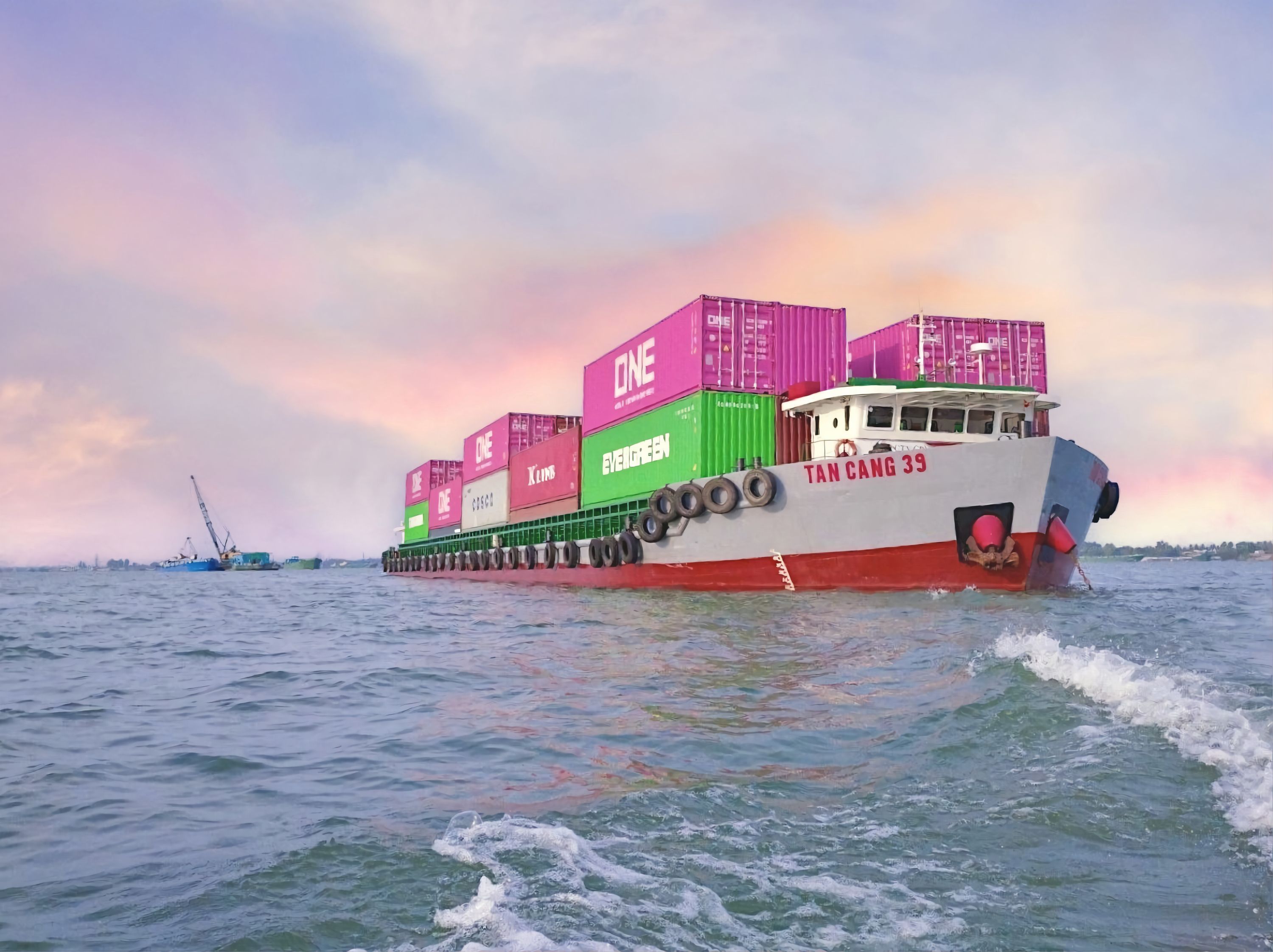
Strengthening inland waterway transport is an important orientation to reduce pressure on road transport and improve the efficiency of seaport operations in the Southern region.
Why is it necessary to implement the Cat Lai inter-port road soon?
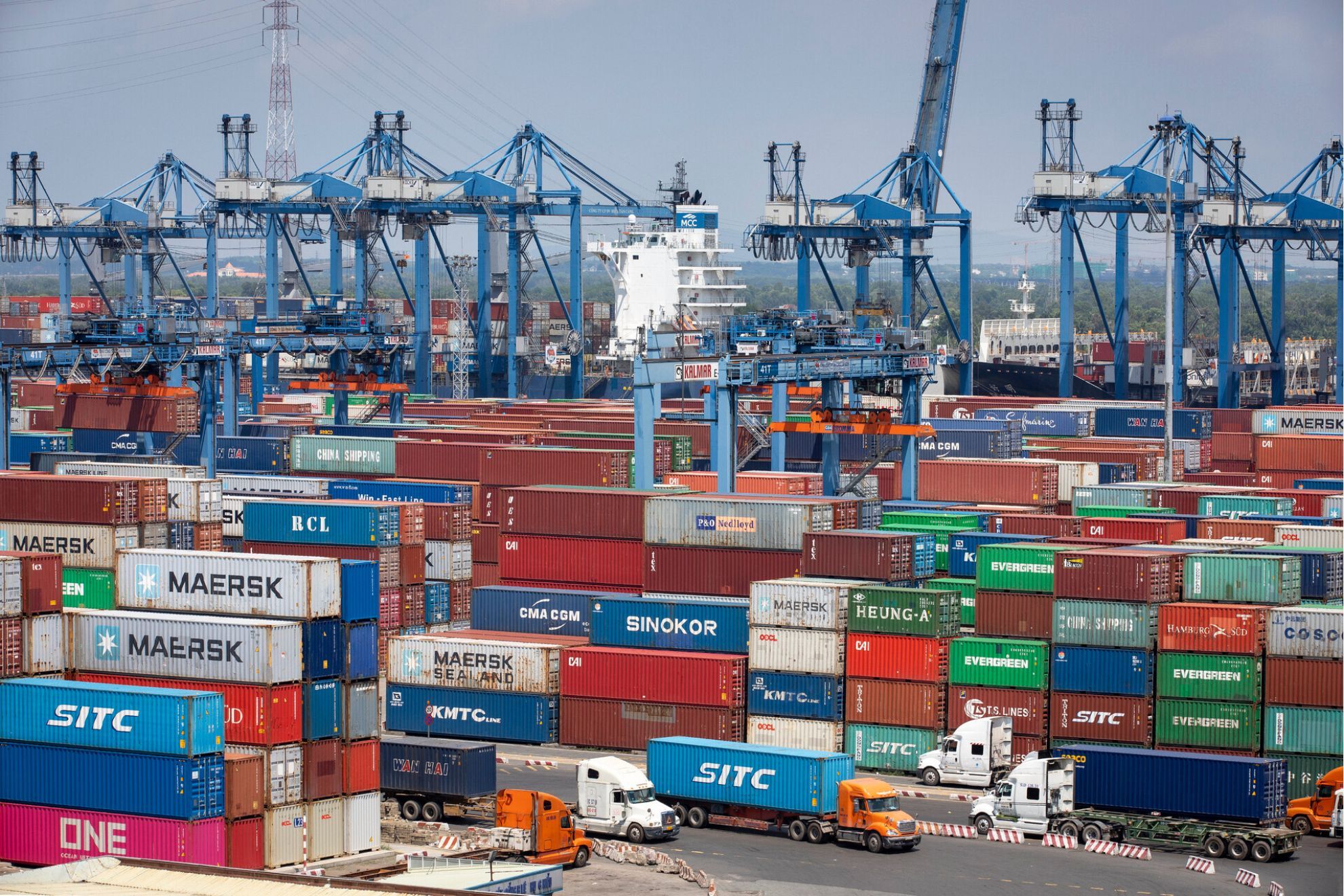
The completion of connectivity infrastructure is expected to help the Cat Lai – Phu Huu port cluster fully maximize its handling capacity and meet the logistics growth demand of the Southeast Region in the years ahead.
Ho Chi Minh City is aiming to become an international logistics hub and the growth engine of the country. To realize that goal, investment in strategic connectivity projects is no less important than expanding seaports or developing industrial parks.
The Cat Lai – Phu Huu inter-port road is not just a transport project. It is a project that addresses a key development bottleneck for the entire eastern area of Ho Chi Minh City, while creating additional growth space for the logistics chain of the Southern Key Economic Region.
Every traffic bottleneck that is removed not only helps reduce logistics costs, but also enhances enterprise competitiveness and the city’s ability to attract investment. Once connectivity infrastructure is completed, Ho Chi Minh City will gain more room for development and continue to affirm its role as the country’s leading economic, logistics, and international trade gateway.
Therefore, the early implementation of the inter-port road is not only a demand of the seaport or logistics sector, but also an urgent requirement for the long-term development of Ho Chi Minh City and the entire Southeast Region.