Beyond Tariffs: Why Integrated Logistics Networks Will Define Asia's Next Supply Chain
24/07/2026

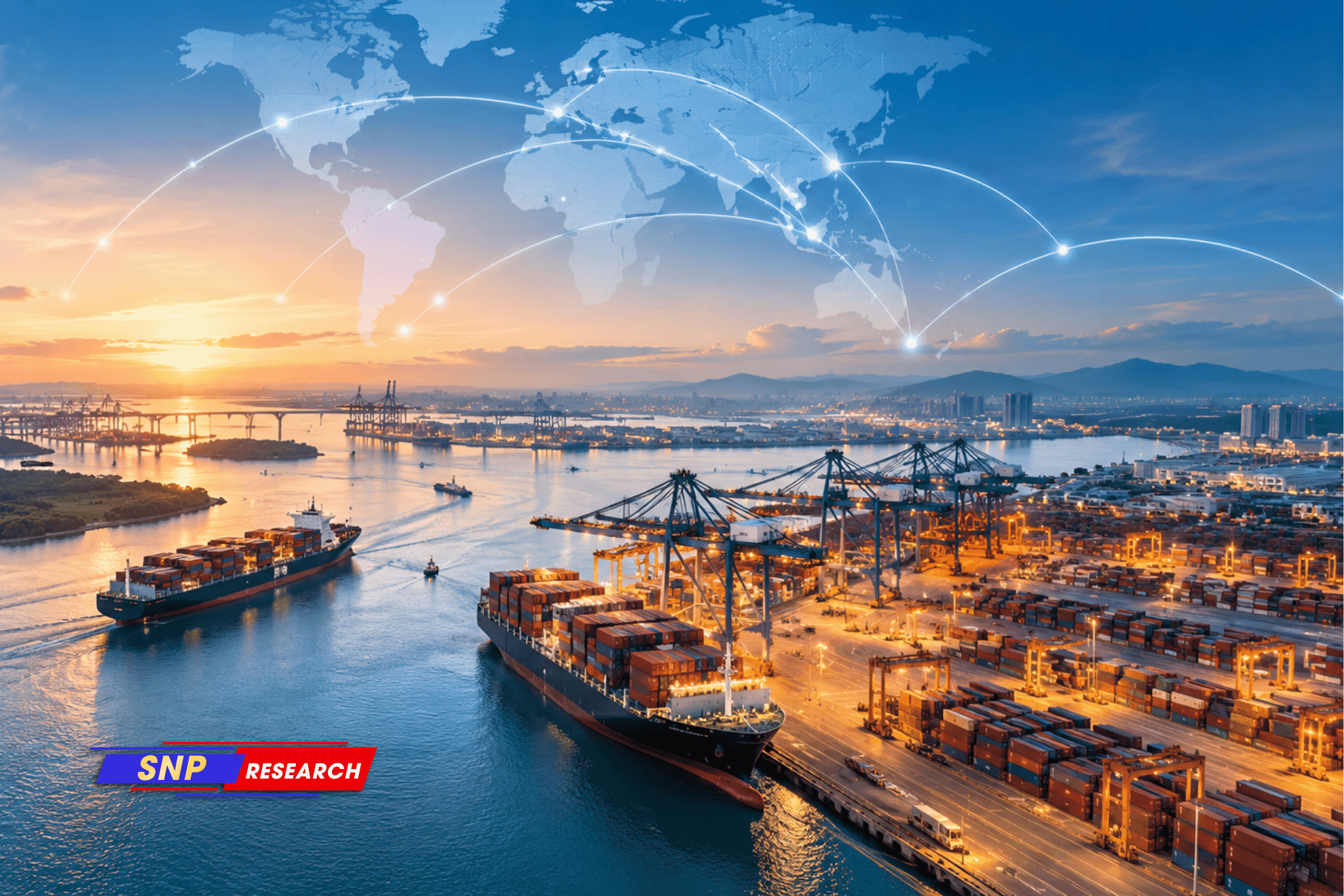
The latest US trade measures have done more than raise tariffs—they have set off a chain reaction across Asia's logistics network. How is this reshaping regional supply chains, and what does it mean for Vietnam?
The market's first response wasn't production—it was purchasing
The first market response came from buyers rather than shipping lines.
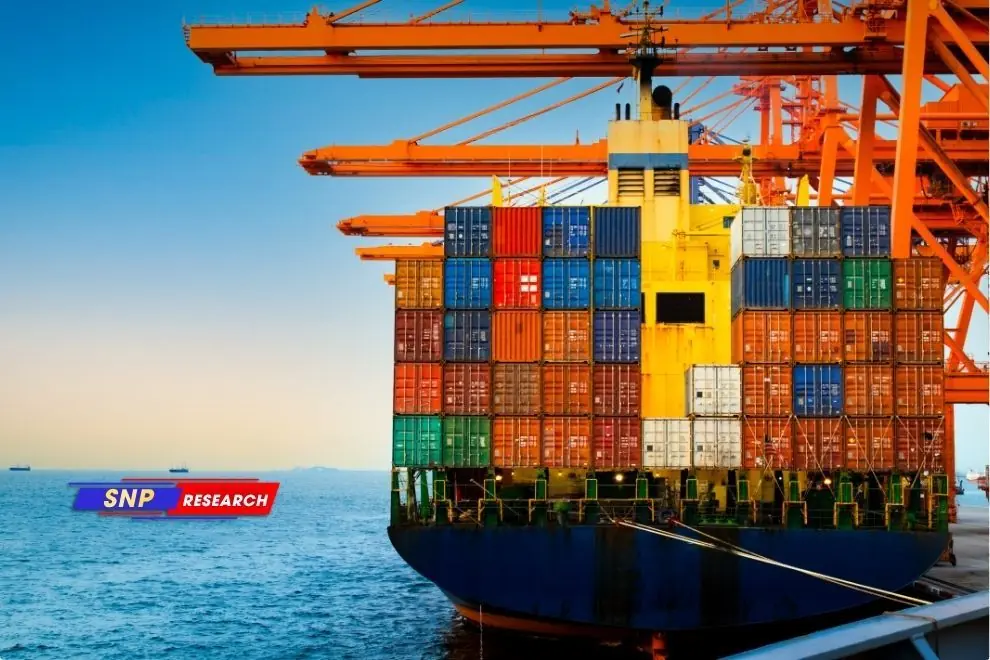
Faced with a limited window before higher duties took effect, US retailers and industrial importers accelerated procurement schedules, choosing to absorb higher warehousing and inventory costs in exchange for securing lower landed costs. This wave of front-loading significantly increased import volumes from Asia and compressed what would normally be a gradual peak shipping season into a much shorter period.
Market indicators reflected the shift. Weekly bookings from Asia surpassed 327,000 TEUs, while US-bound import volumes climbed toward record highs as businesses rushed to replenish inventories before tariff implementation. Analysts also projected that this early surge could be followed by softer trade volumes later in the year, as companies would have already built sufficient inventory buffers.
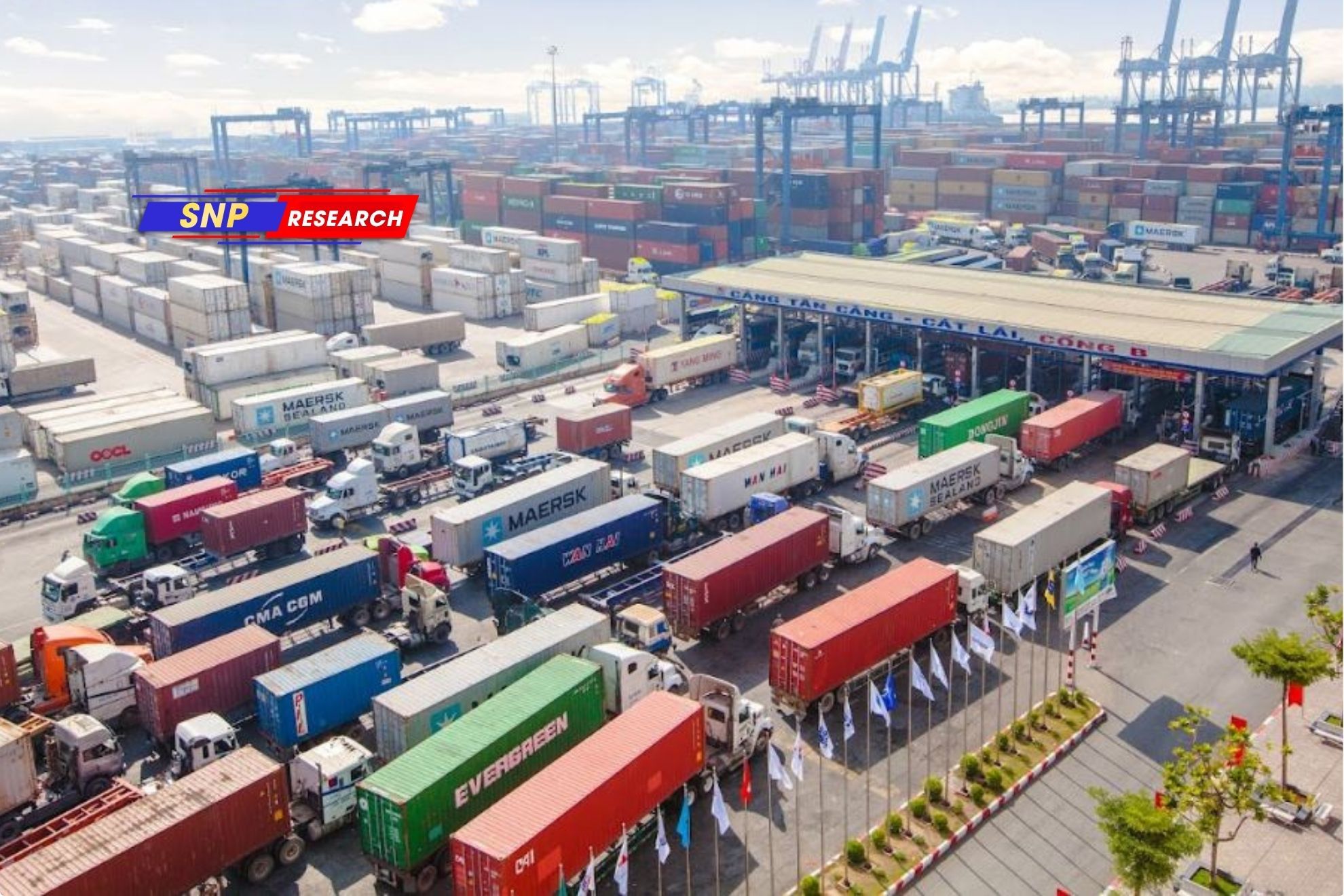
For Vietnam, the earlier peak season meant more than stronger export demand. As manufacturers accelerated production to meet compressed shipping schedules, the country's ports and logistics providers had to accommodate higher cargo volumes while maintaining efficient cargo flow. The ability to coordinate transport, equipment and terminal resources across an integrated logistics network therefore became increasingly important as demand surged throughout the region.
China’s strategy in the manufacturing network
One of the most significant consequences of recent US tariff policies is not the relocation of manufacturing from China, but the reconfiguration of China's role within regional supply chains.
Rather than reducing production, Chinese manufacturers have increasingly shifted their focus toward supplying higher-value industrial inputs—including machinery, electronic components and intermediate materials—to factories across Southeast Asia. While labour-intensive assembly and finishing activities continue to expand in countries such as Vietnam, the upstream stages of production remain concentrated within China's highly integrated industrial clusters.
The numbers reflect this structural shift. China–ASEAN trade exceeded US$1 trillion, making ASEAN China's largest trading partner. During 2025–2026, China's exports of intermediate goods to ASEAN increased by more than 19%, while exports of components and industrial inputs to Vietnam grew by more than 22%. At the same time, US imports from ASEAN manufacturing hubs rose 28.9%, underscoring the growing role of Southeast Asia in final assembly and export.
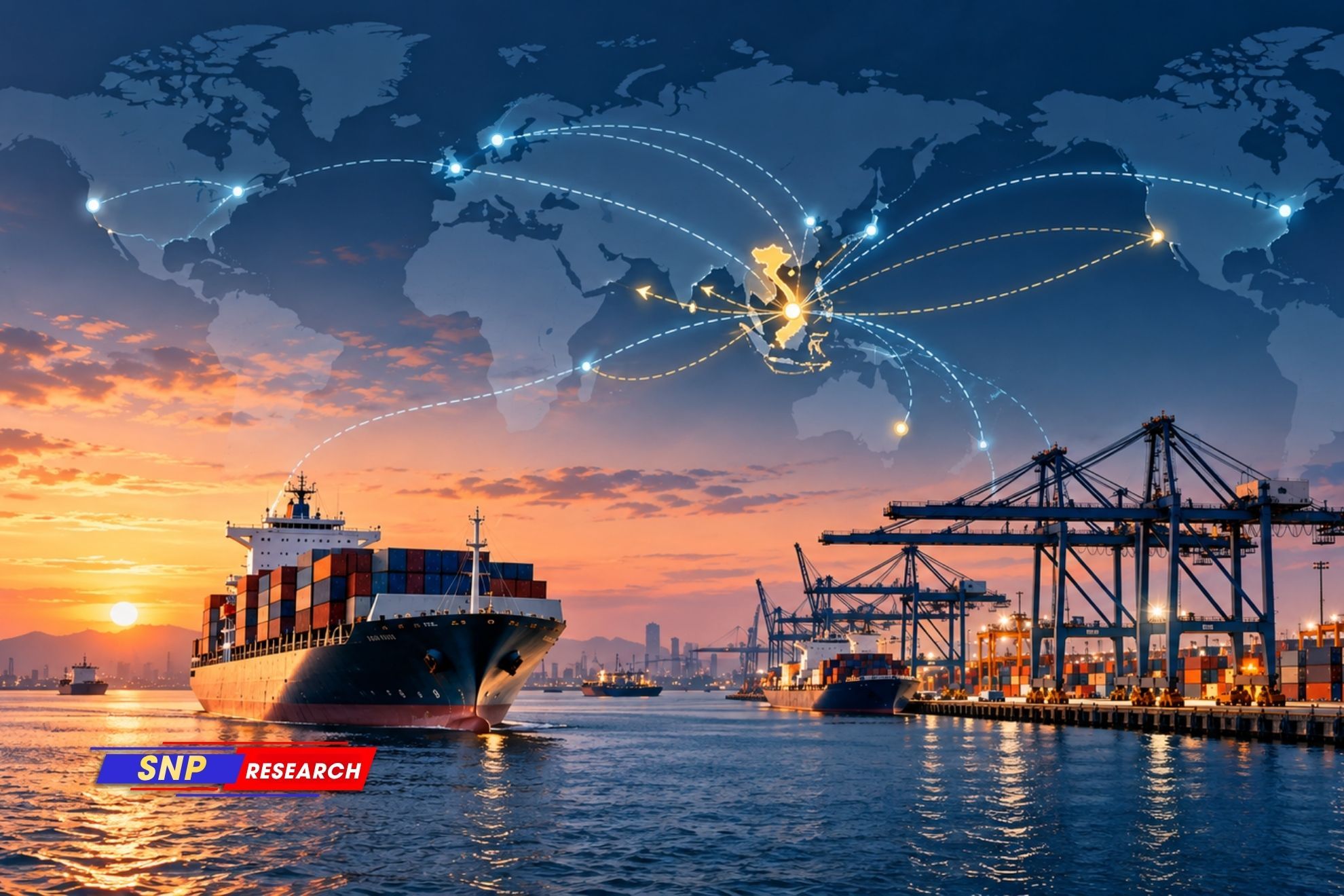
For Vietnam, these trends highlight a changing position within the regional production network. During the first half of 2026, Vietnam imported US$115.2 billion worth of goods from China—primarily machinery, electronics and intermediate components—while exporting US$86.5 billion to the United States. Rather than replacing China in global supply chains, Vietnam is increasingly serving as a processing and assembly gateway, transforming imported industrial inputs into higher-value products for international markets.
This evolving production model has strengthened Vietnam's position within regional supply chains. Rather than competing directly with China, Vietnam is increasingly complementing China's industrial base by providing downstream processing, assembly and export capabilities. The closer integration between the two economies not only supports manufacturing growth but also generates a continuous flow of machinery, components and containers that underpin Vietnam's logistics ecosystem.
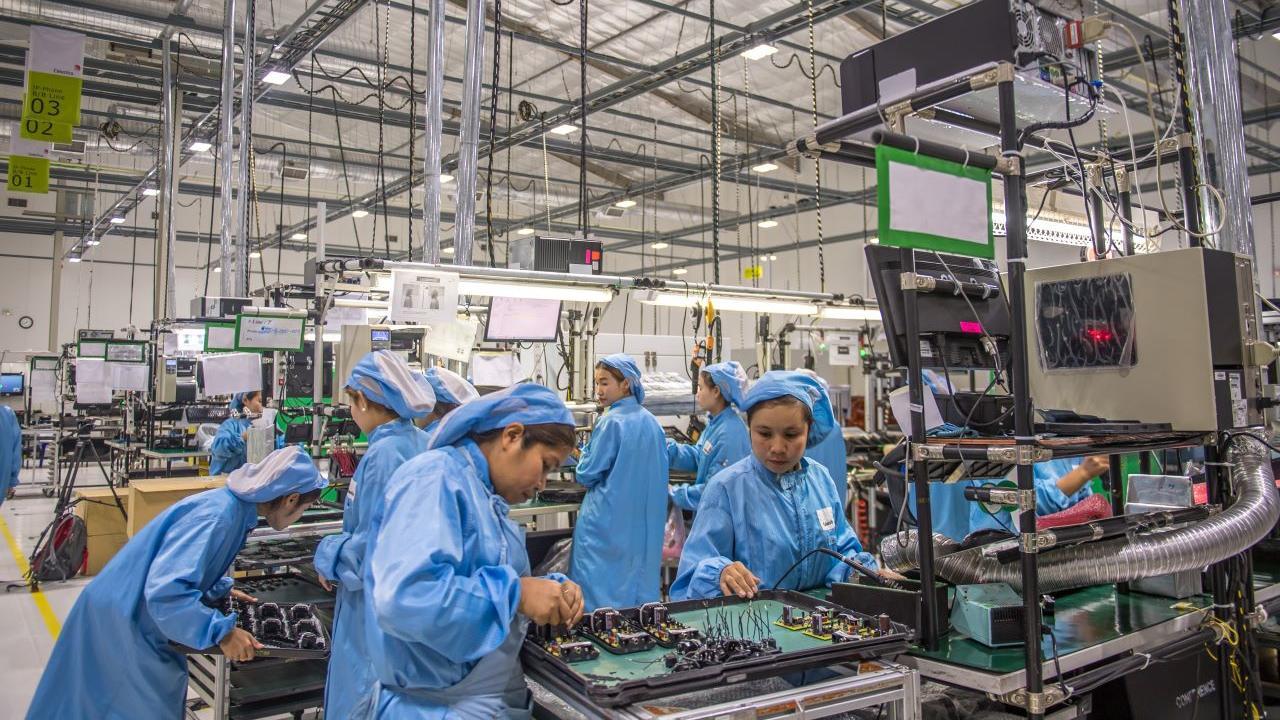 Rather than replacing China, Southeast Asian economies—including Vietnam—are becoming increasingly integrated into regional production networks
The Hidden Shift: When Containers Follow the Market
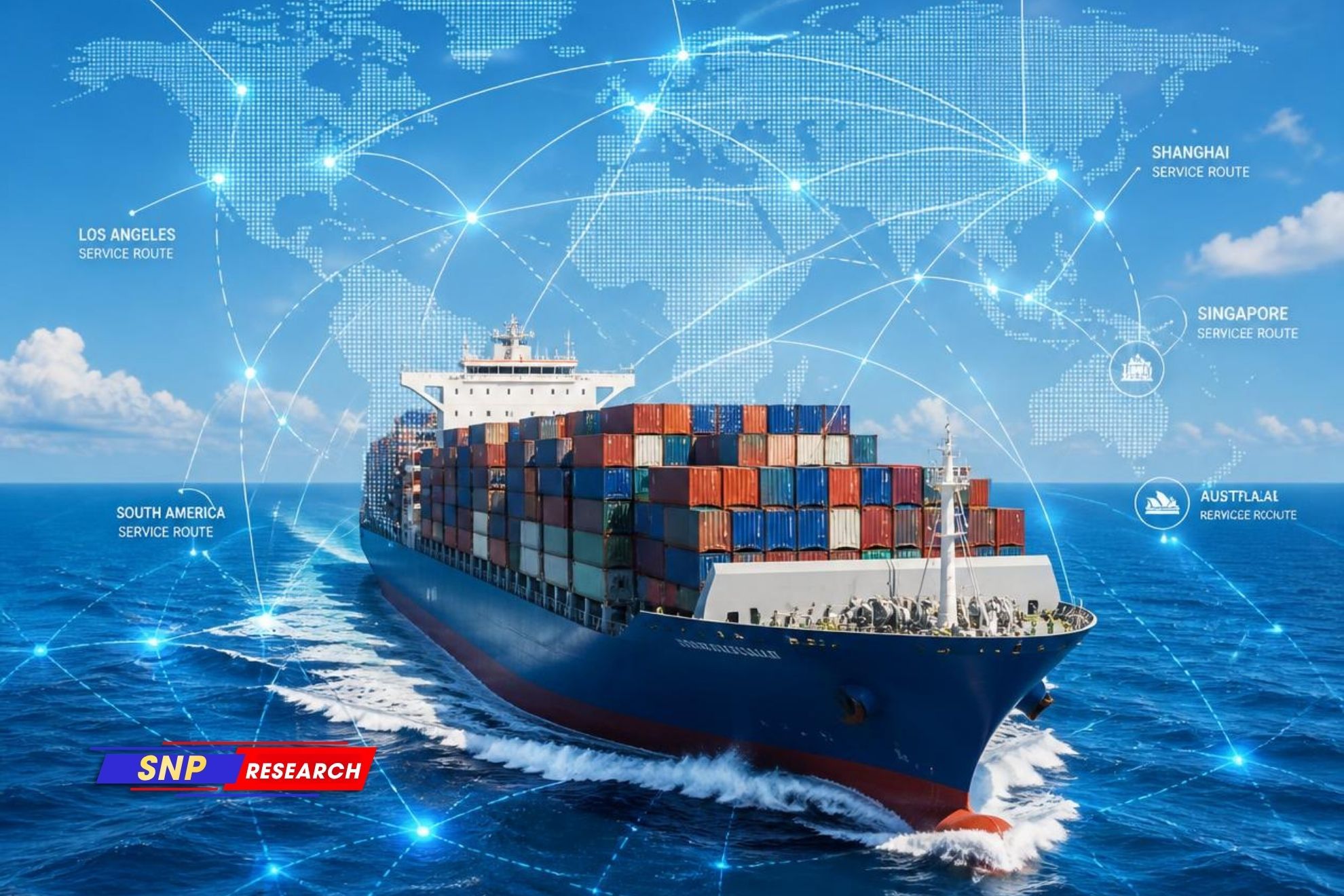
The surge in demand quickly reshaped how shipping lines allocated vessels and equipment across Asia.
Rather than permanently increasing capacity, carriers adopted flexible deployment strategies, introducing extra-loader vessels during demand peaks while strategically using blank sailings to maintain vessel utilization above 95%. Capacity increasingly gravitated toward the highest-yield Transpacific routes, where freight rates surged beyond US$6,000 per FEU to the US West Coast and nearly US$8,000 to the East Coast.
As vessel deployment shifted, so did container allocation.
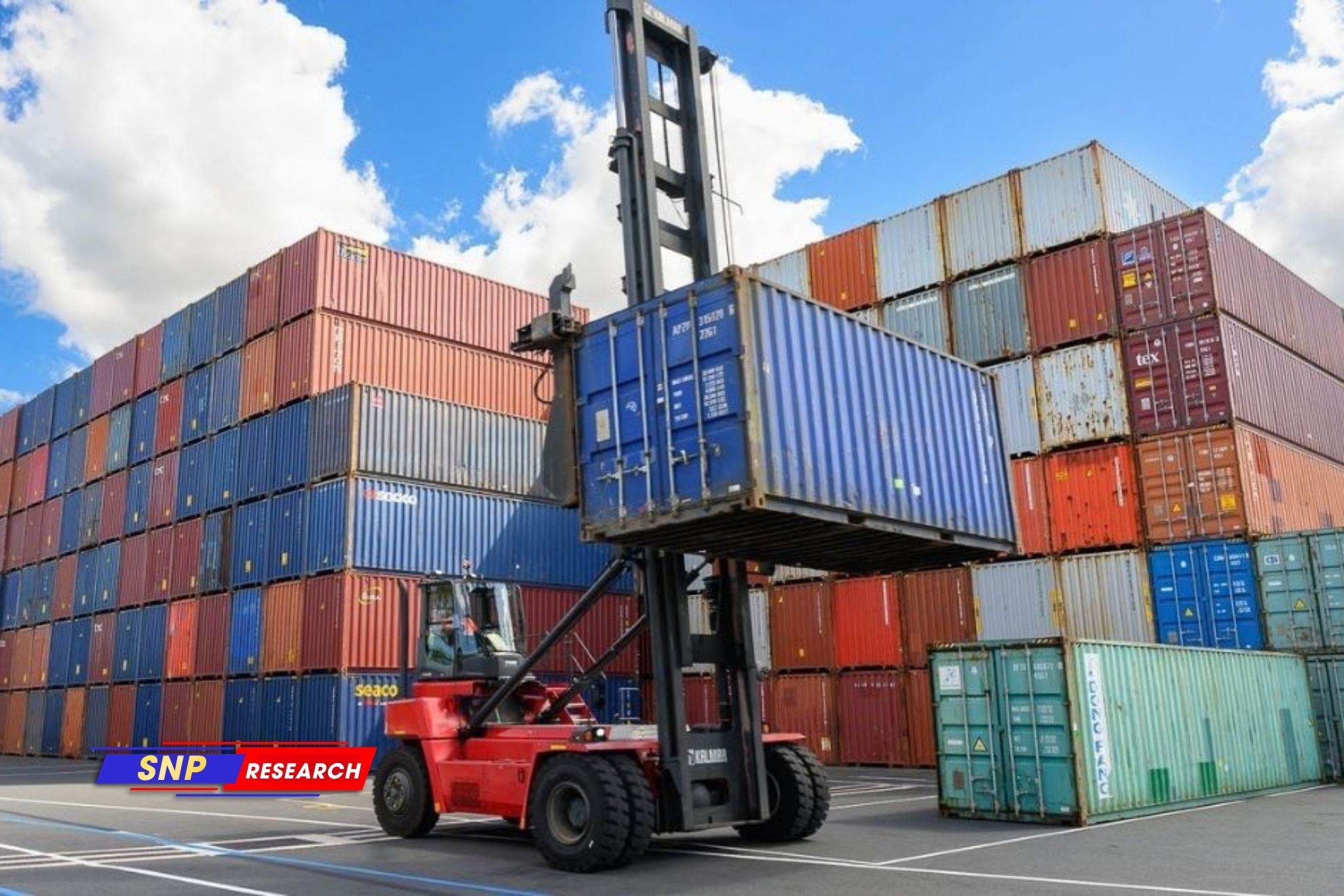
Every available 40-foot High Cube container became a valuable revenue-generating asset. Rather than allowing empty containers to remain in lower-yield markets, shipping lines increasingly repositioned equipment back to major North Asian export gateways, where sustained export demand offered faster turnaround and higher returns. This process—known as Empty Container Repositioning (ECR)—became a defining feature of the 2026 market.
For many export-oriented economies, this created localized equipment shortages as containers were drawn toward North Asia.
Vietnam, however, experienced a different outcome.
Its growing imports of machinery, electronic components and industrial materials from China continuously replenished the domestic container pool. Once unloaded, these containers could be rapidly reused for export cargo through efficient inland logistics and container circulation, creating what might be described as an import-driven equipment buffer.
The key point is that Vietnam's resilience did not stem from being insulated from global market dynamics, but from being deeply integrated into them. Strong intermediate imports, efficient container circulation and close production linkages with China helped offset the equipment pressures created by shifting carrier deployment. Even so, this advantage cannot be taken for granted. Should container repositioning accelerate faster than inbound cargo flows, maintaining equipment availability will increasingly depend on the efficiency of Vietnam's logistics network rather than trade volumes alone.
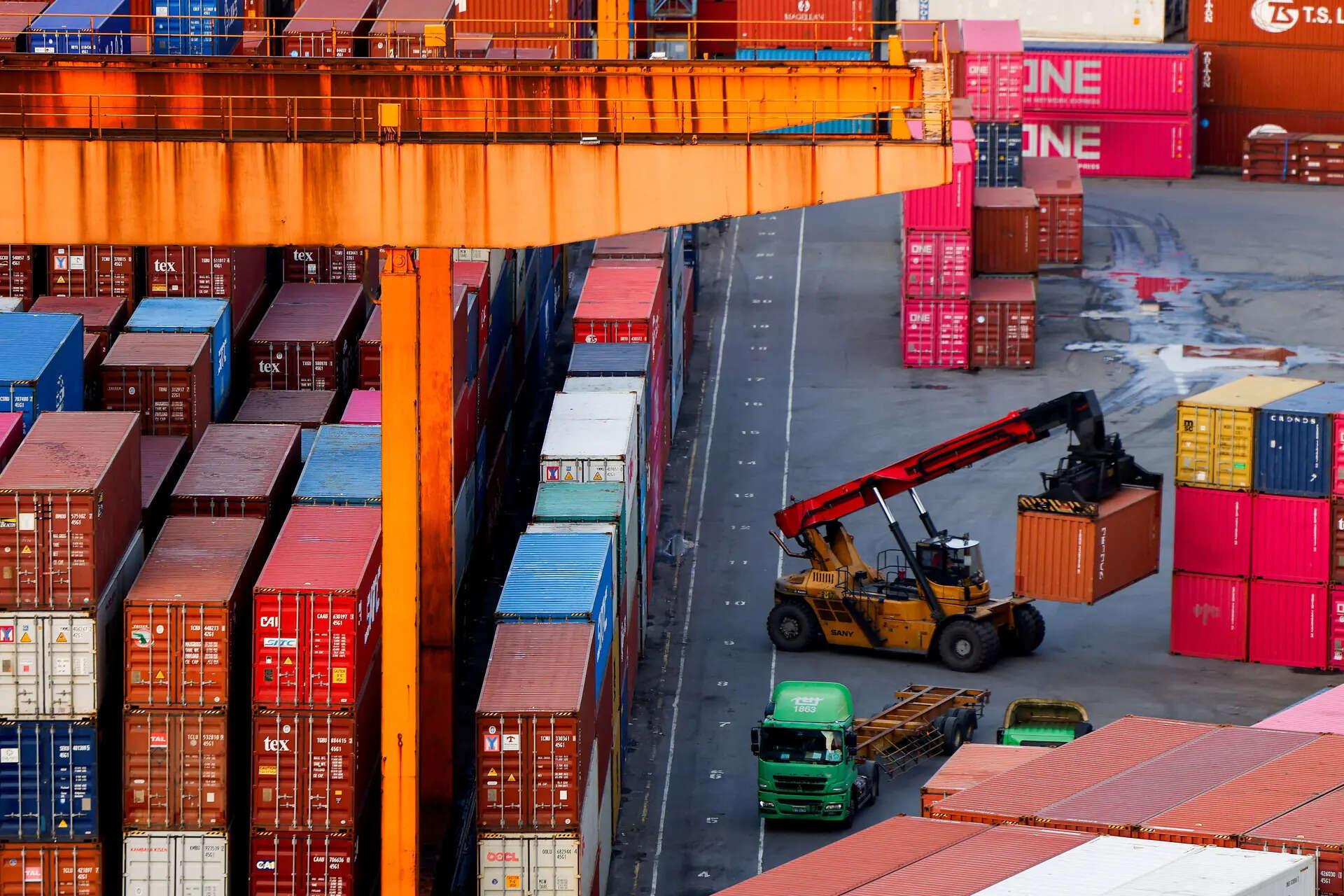 Container allocation has become a strategic decision for shipping lines
Opportunity brings new operational pressures
Vietnam's expanding role in regional supply chains is generating benefits well beyond trade growth. During the first half of 2026, the country's total trade turnover reached US$549.7 billion, up 27.1% year-on-year, while exports and imports grew 21.0% and 33.4%, respectively. These figures reflect Vietnam's increasing importance as both a manufacturing base and a logistics gateway connecting regional production networks with global markets.
As cargo volumes continue to increase, however, the challenge extends beyond accommodating more vessels or containers. Larger and more dynamic trade flows require increasingly sophisticated planning across the entire logistics chain—from berth scheduling and yard allocation to inland transportation, customs coordination and equipment management.
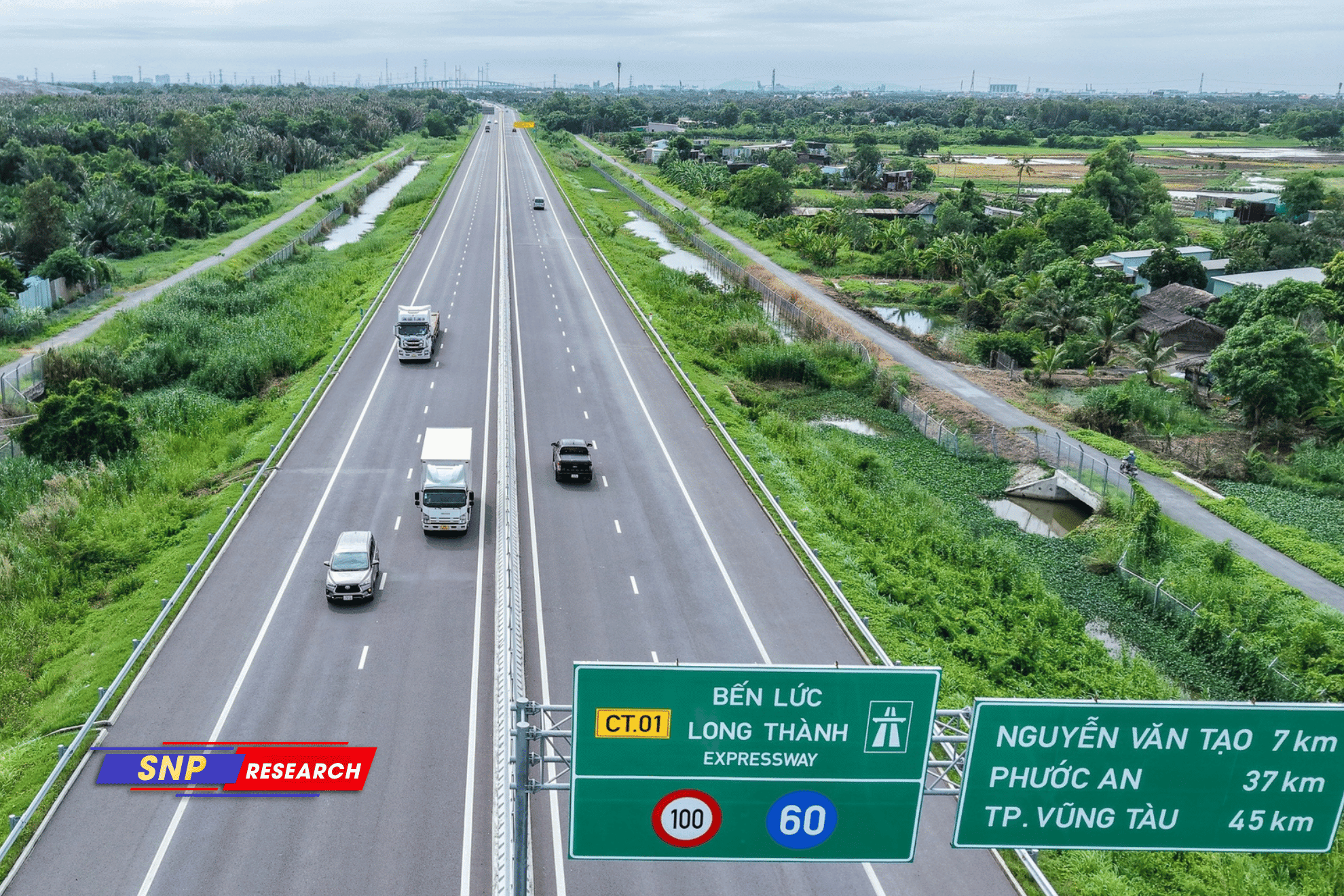
This is where integrated logistics ecosystems become increasingly valuable. Rather than relying solely on terminal capacity, efficient cargo movement depends on seamless coordination between deep-water ports, inland container depots (ICDs), barging services, trucking networks and digital logistics platforms. By distributing cargo flows across multiple logistics nodes, port operators can improve supply chain resilience while maintaining operational efficiency even during periods of heightened demand.
For Vietnam, continued investment in integrated logistics infrastructure and digital capabilities will be essential as global supply chains become more dynamic. The ability to coordinate cargo efficiently across an interconnected network is increasingly becoming a competitive advantage—not only for individual terminals, but for the country's logistics sector as a whole.