Seminar “Optimizing Supply Chains – Enhancing Regional Connectivity” at Tan Cang – Hiep Phuoc Terminal
23/04/2026
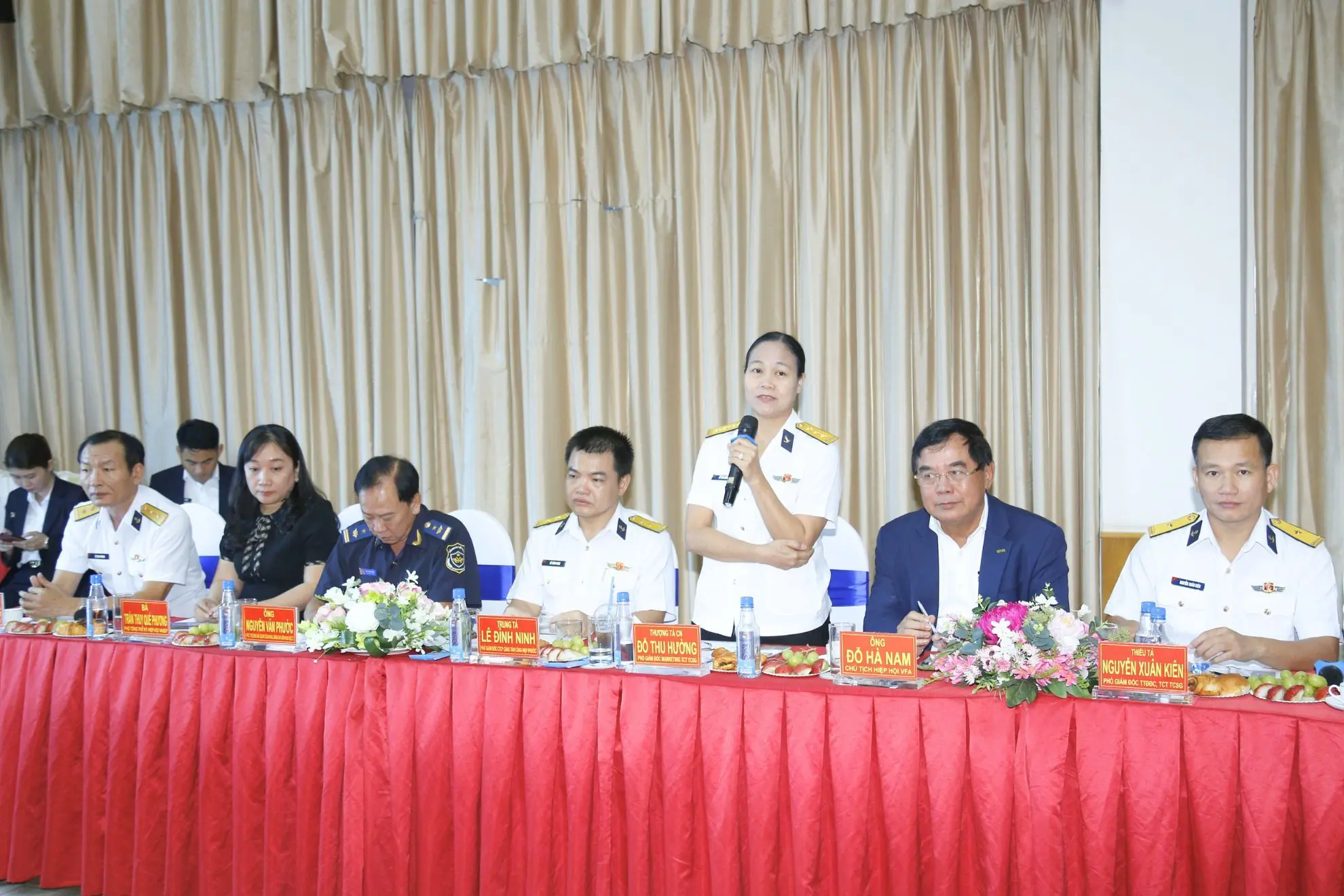
In 2026, Vietnam’s target of achieving growth of 10% or more has raised the demand for reform to a new level. Against the backdrop of continued volatility in the global economy, import-export activities also require close coordination among multiple stakeholders to meet this growth target. Saigon Newport Corporation (SNP) organized a thematic workshop to remove logistics bottlenecks and enhance the competitiveness of import-export cargo at Tan Cang – Hiep Phuoc Terminal (TCHP).
Mrs. Do Thu Huong, Deputy Director of Marketing of Saigon Newport Corporation, delivered opening remarks to orient the discussion.
Logistics bottlenecks and connectivity challenges
Current realities show that the competitiveness of Vietnamese goods in the international market is under pressure from bottlenecks in the logistics system. According to representatives of the Vietnam Food Association (VFA), logistics costs currently account for as much as 30% of the cost structure of rice in particular, as well as several of Vietnam’s key export commodities, creating a major barrier for exporters.
According to representatives of the Vietnam Association of Seafood Exporters and Producers (VASEP), the root cause lies in geographic fragmentation, as key raw material production areas in the Mekong Delta are located far from major seaport systems, forcing cargo to pass through multiple intermediate stages and generating significant transport and handling costs. In addition, excessive reliance on road transport has created direct consequences: prolonged congestion at the gateways to Ho Chi Minh City and shortages of empty containers during peak seasons not only delay cargo delivery and receipt, but also drive up operating costs. Furthermore, businesses must bear the burden of additional costs caused by overloaded infrastructure, including storage charges, waiting time costs, and strict preservation requirements for refrigerated cargo and agricultural products. These bottlenecks not only consume financial resources but also directly erode the competitive edge of Vietnamese agricultural products on the global trade map.
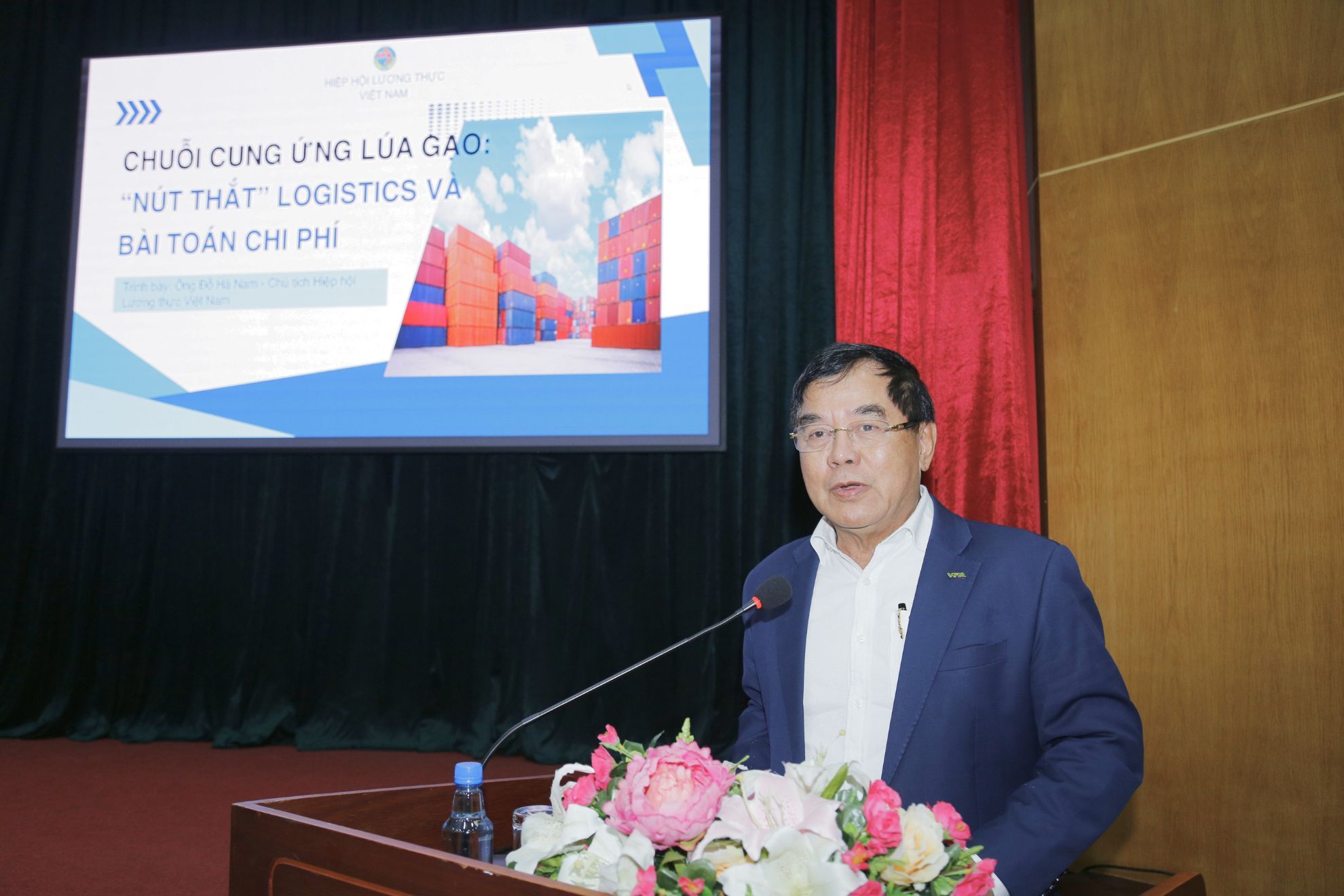
Mr. Do Ha Nam, Chairman of the Vietnam Food Association, delivered remarks.
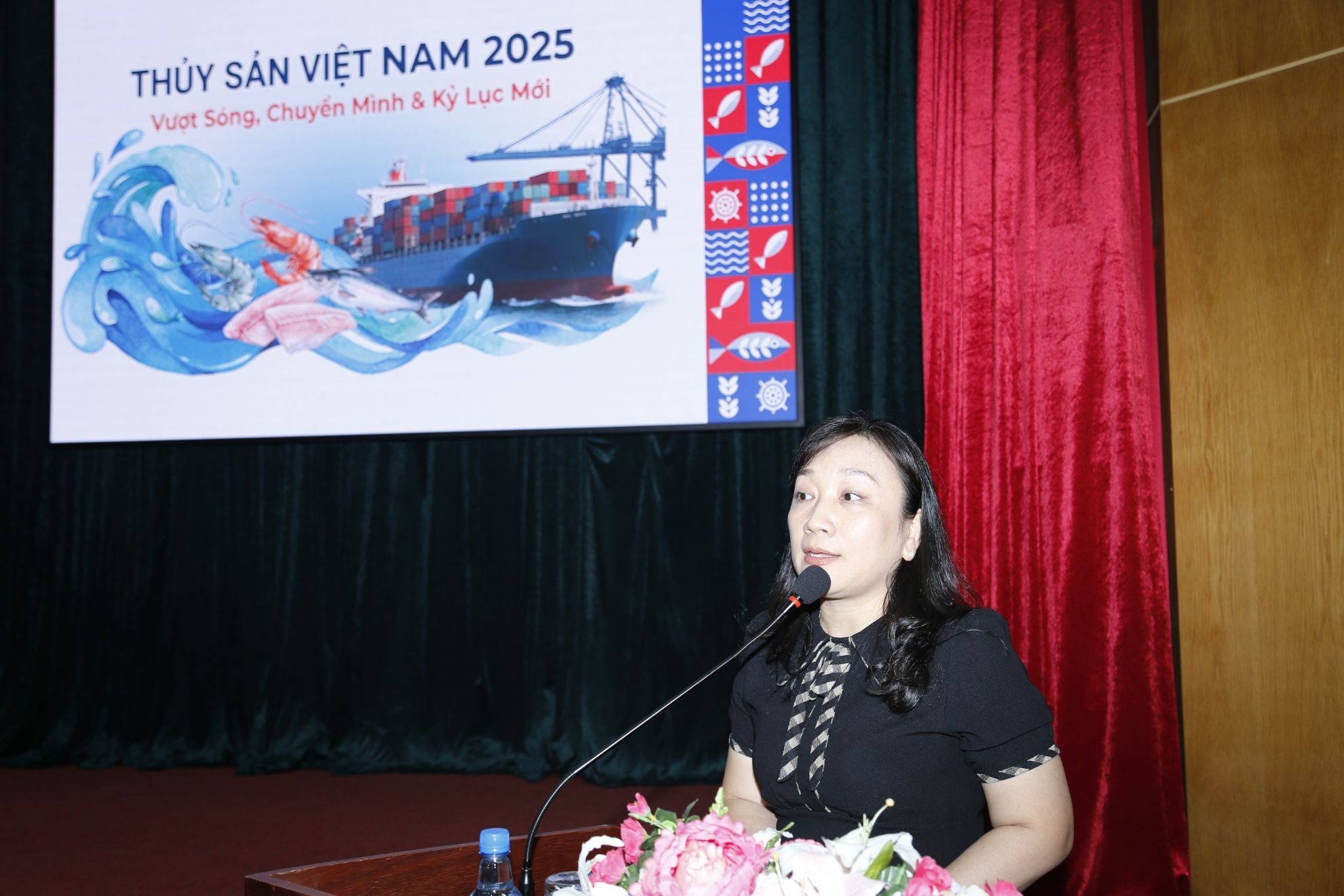
Ms. Tran Thi Que Phuong, Deputy Secretary General of the Vietnam Association of Seafood Exporters and Producers, delivered remarks.
Opportunities and strategic advantages from new connectivity infrastructure
In 2026, logistics activities are being accelerated by the synchronized development of national infrastructure projects. The expected completion of Ho Chi Minh City Ring Road 3 in June 2026 will create a new economic corridor directly connecting key industrial parks and the southwestern region with the Hiep Phuoc port area. This project is expected to shorten transit time by 30–40% while significantly reducing inland logistics costs for businesses.
At the same time, pilot efforts to allow vessels to navigate through fluid mud in the Soai Rap channel, under the direction of the Ministry of Construction and the Maritime Administration, will not only expand the capability to accommodate larger vessels but also create greater stability for international service routes. This gives businesses an advantage in establishing stable supply chains and minimizing waiting-time risks caused by draft restrictions. In practice, when costs are reasonable and services are organized in an integrated manner, businesses tend to shift cargo flows from older operating points to more efficient ones. With throughput growth of 86.5% in 2025, Tan Cang – Hiep Phuoc Terminal clearly demonstrates the effectiveness of this cargo shift, helping reduce pressure on the Cat Lai area, offering customers additional delivery options, and optimizing the regional logistics chain as a whole.
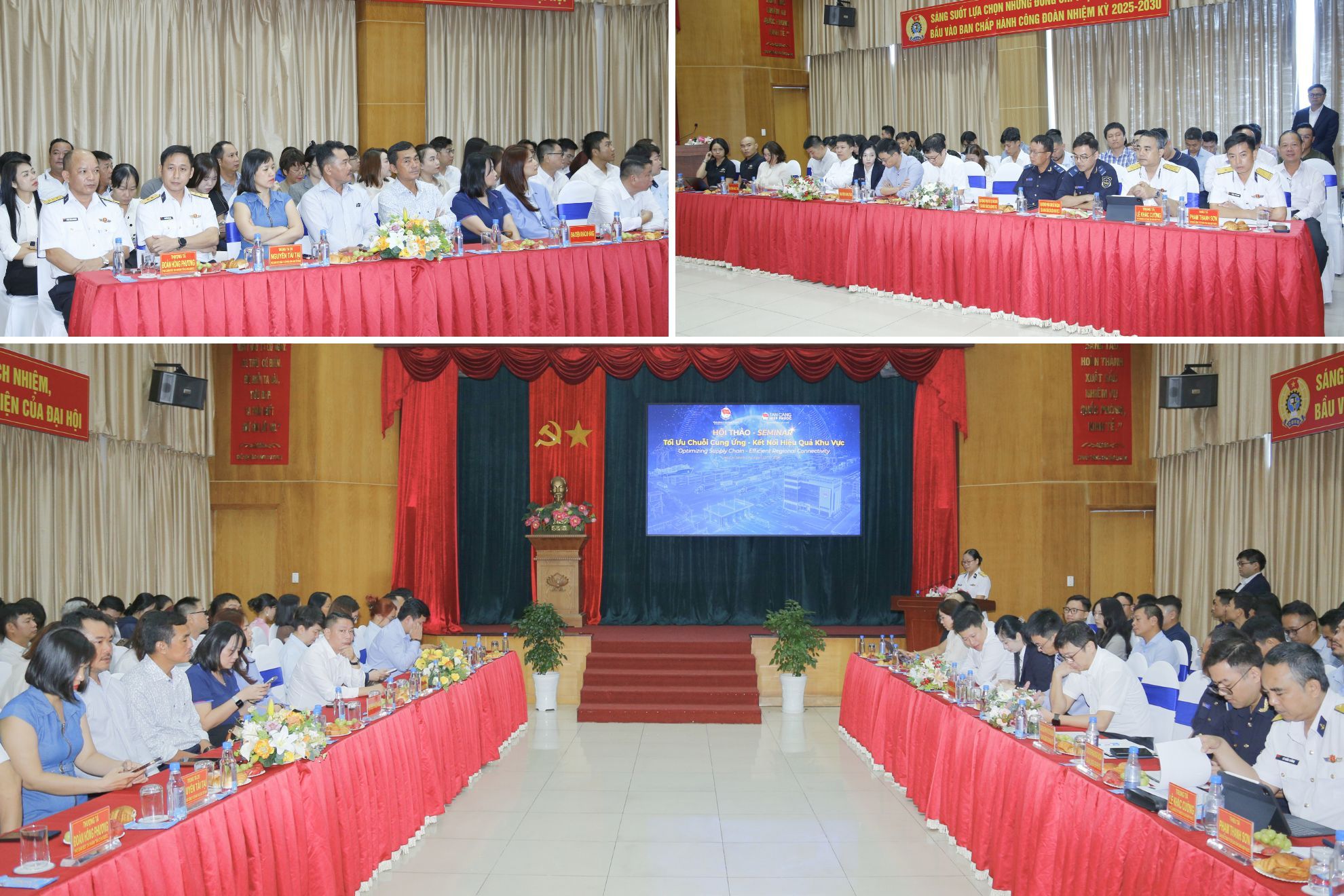
Delegates attending the discussion session.
Integrated service ecosystem at Tan Cang – Hiep Phuoc Terminal
To fundamentally address cost and time challenges for businesses, Tan Cang – Hiep Phuoc Terminal (TCHP) has deployed an integrated service ecosystem guided by the strategic orientation: “Elevating Connectivity – Accelerating Investment – Optimizing Services – Driving Business Efficiency.” At the core of this ecosystem is a shift toward a more substantive and sustainable operating model through the following solution groups:
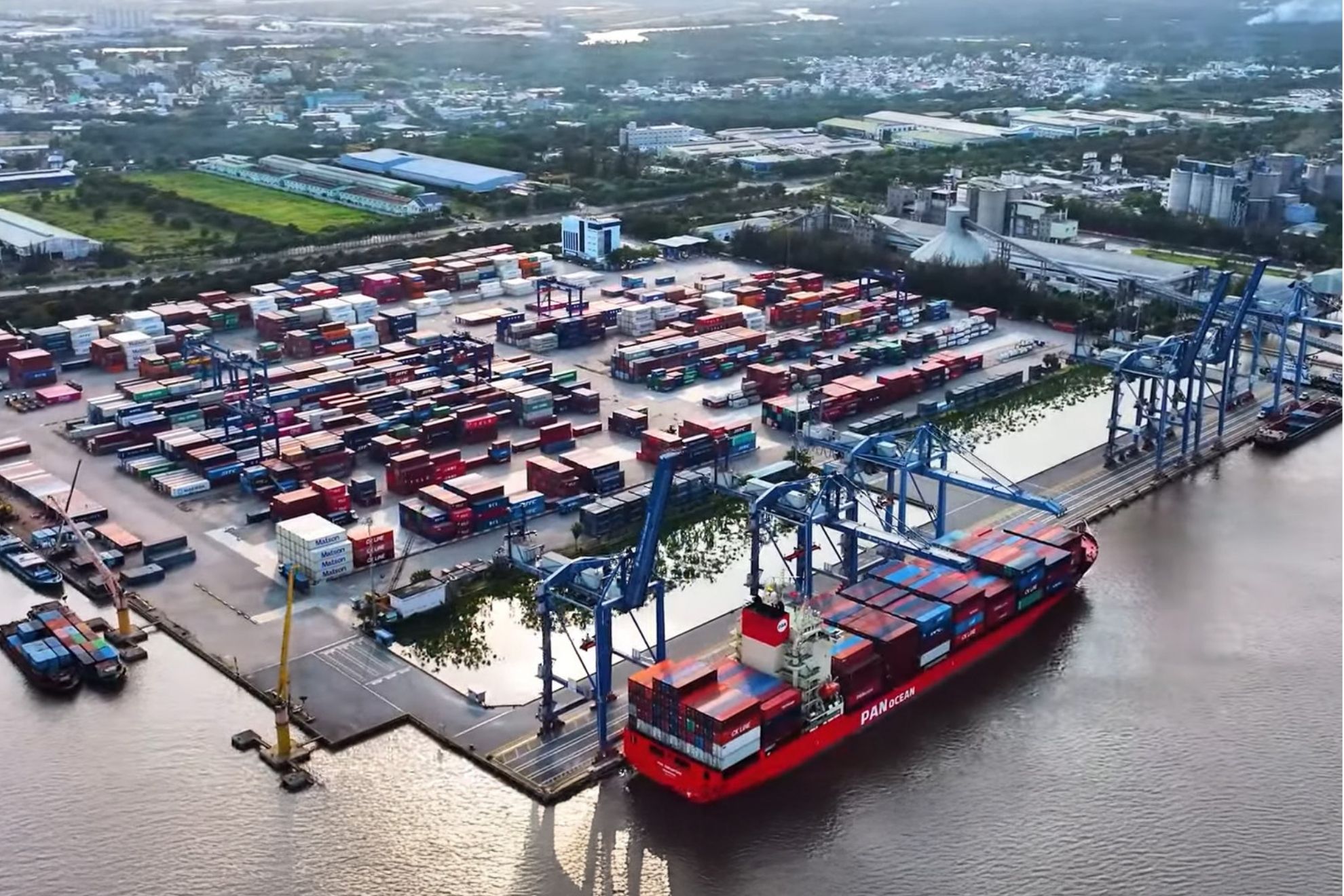
Building on-site logistics capacity: TCHP is accelerating Phase 1 of its depot project, covering 1.22 hectares within the terminal, to establish on-site depot capacity. This move will enable the terminal to proactively secure empty container supply, directly reduce the cost and time required to move containers from facilities within the SNP system, improve customer service efficiency, and create the most favorable conditions for businesses in organizing production and business operations.
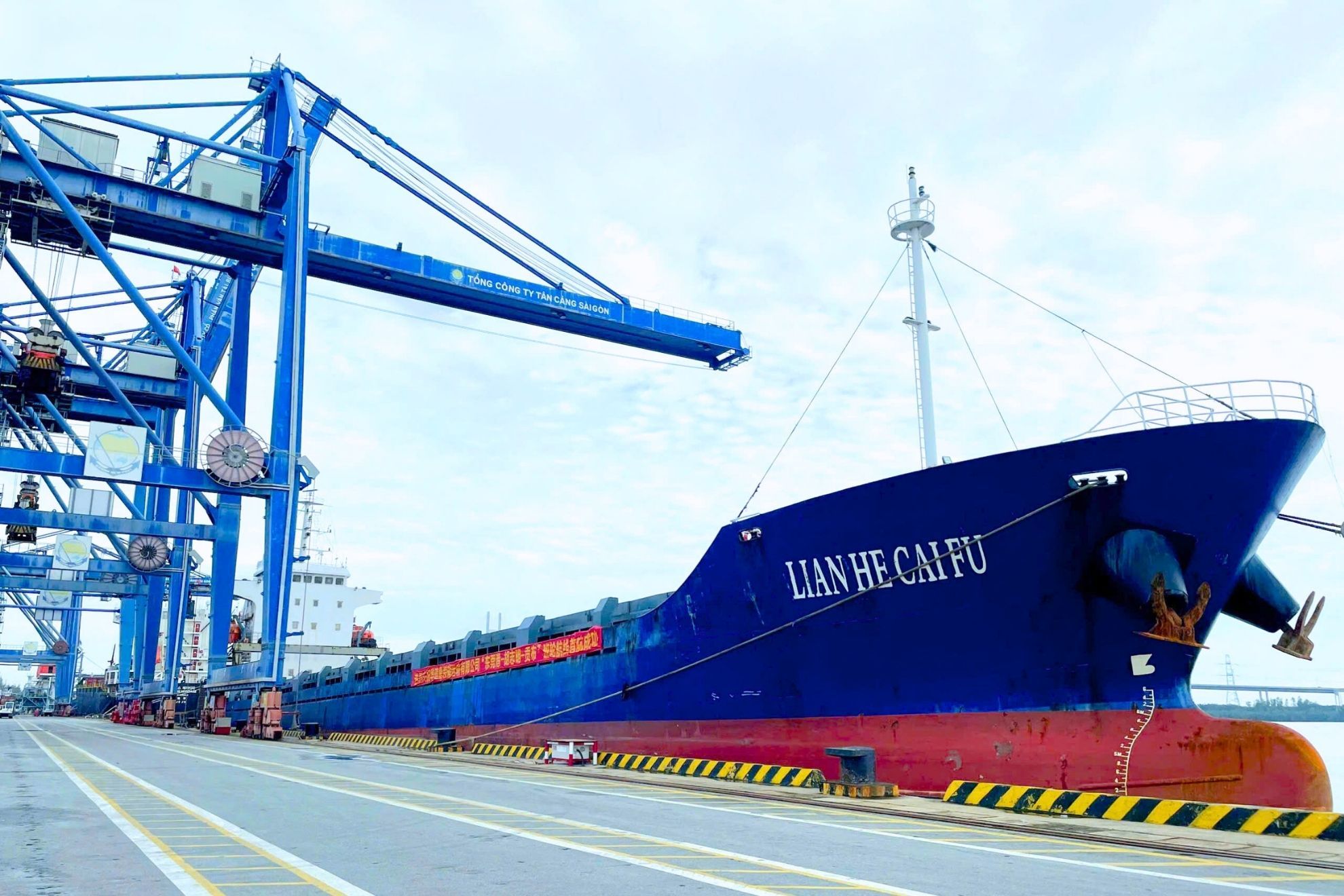
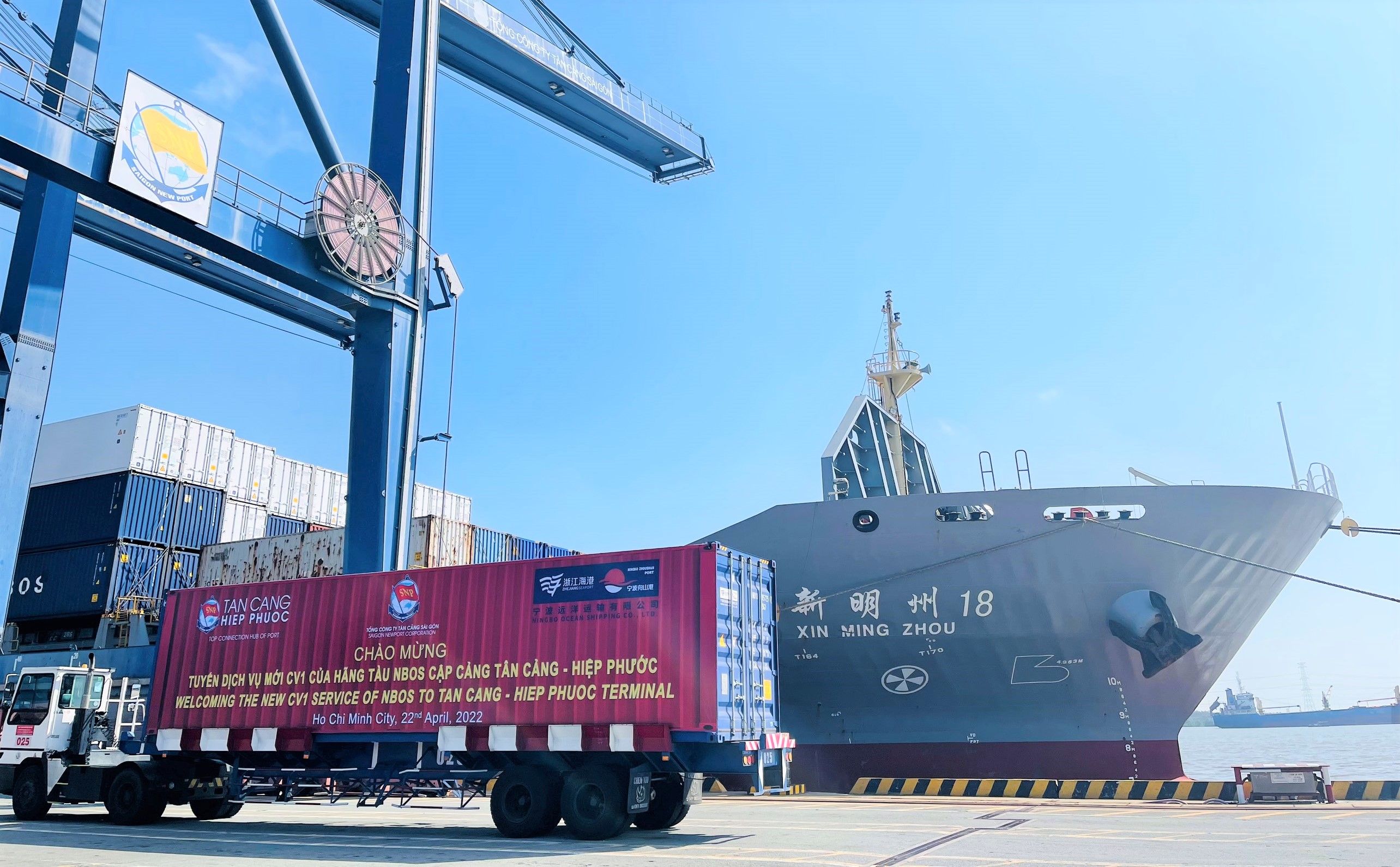
Optimizing vessel reception capacity and maritime infrastructure: The terminal is restructuring its operational capacity through maintenance dredging alongside the berth to ensure navigational safety and improve vessel turnaround productivity. In particular, coordination in implementing the pilot program for vessel navigation through fluid mud in the Soai Rap channel, under the direction of the Maritime Administration, is a key solution for expanding the terminal’s capability to accommodate larger vessels. At present, Tan Cang – Hiep Phuoc Terminal handles an average of around 10 vessel calls per week, excluding ad hoc calls. Outer-leg transport operations between Cat Lai and Hiep Phuoc for laden containers, empty containers, and dangerous cargo containers continue to be maintained at a high level of efficiency.

Business representatives speaking at the discussion session.
TCHP also continues to strengthen its service capability through its centralized delivery area for IMDG dangerous cargo and by maintaining practical support policies such as free lift-on/lift-off and free storage for laden and empty containers. These policies not only reduce cost pressure but also encourage the business community to shift cargo flows to more efficient operating points. One of the top priorities is to increase the ratio of direct pickup and delivery at the terminal and reduce pressure from outer-leg transshipment.
TCHP is committed to shortening cargo handling time and coordinating with shipping lines to maintain stable service routes, thereby building a supply chain that is more convenient, efficient, and competitive for customers. Through the integrated organization of logistics services and the effective use of new infrastructure connections, Tan Cang – Hiep Phuoc Terminal expects to turn current challenges into competitive advantages and further strengthen the position of Vietnamese goods in the international market.