When 12% of the Global Fleet Capacity Is Affected by Port Congestion in China: What Is Happening in the Shipping Market?
25/08/2026
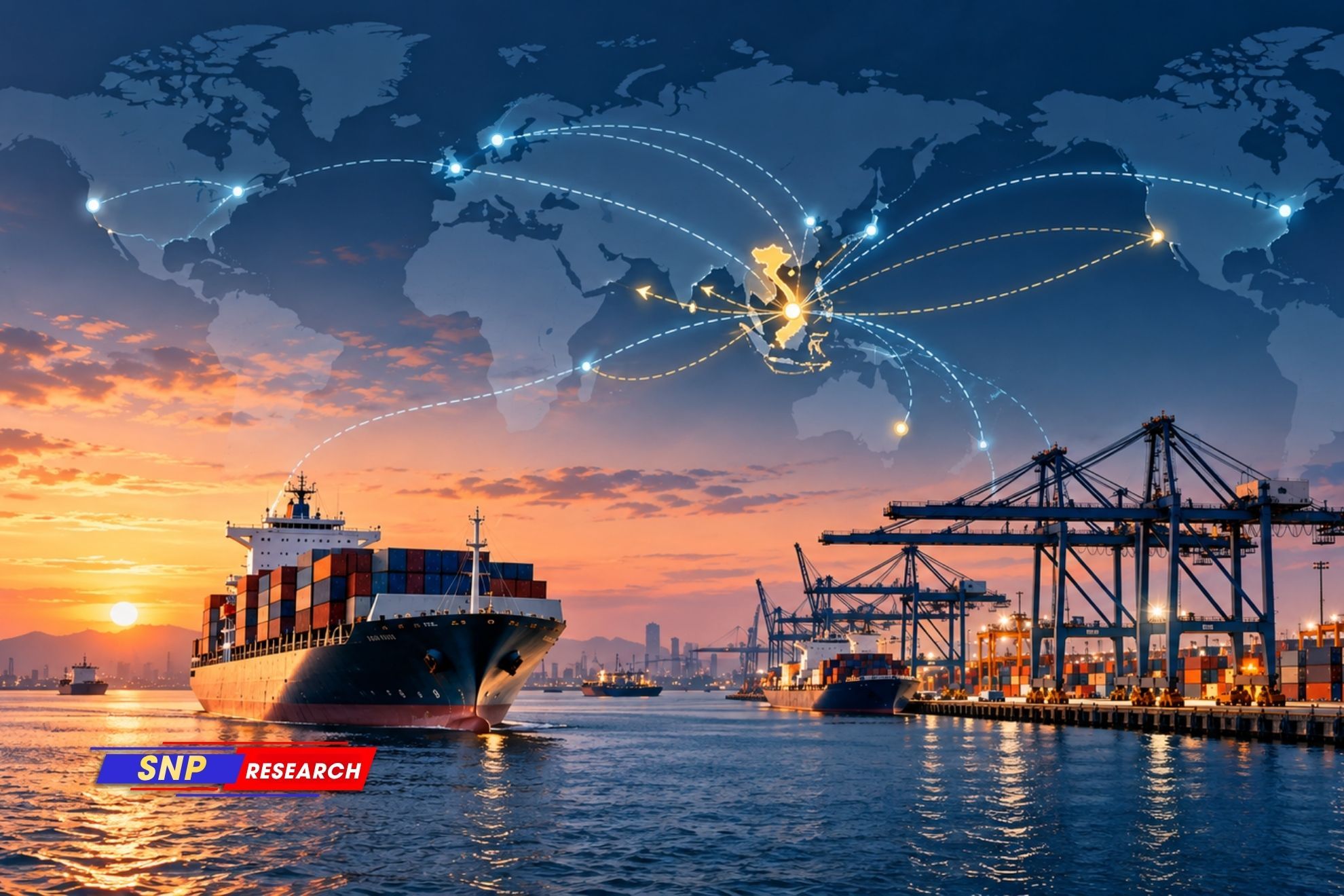
Disruptions at the Strait of Hormuz and across East Asia demonstrate how an incident at one link can quickly spread through the global shipping network. These developments highlight that the key question is not simply how many vessels are available, but where capacity is, who controls it, and which services it will be allocated to.
Two Bottlenecks, One Consequence
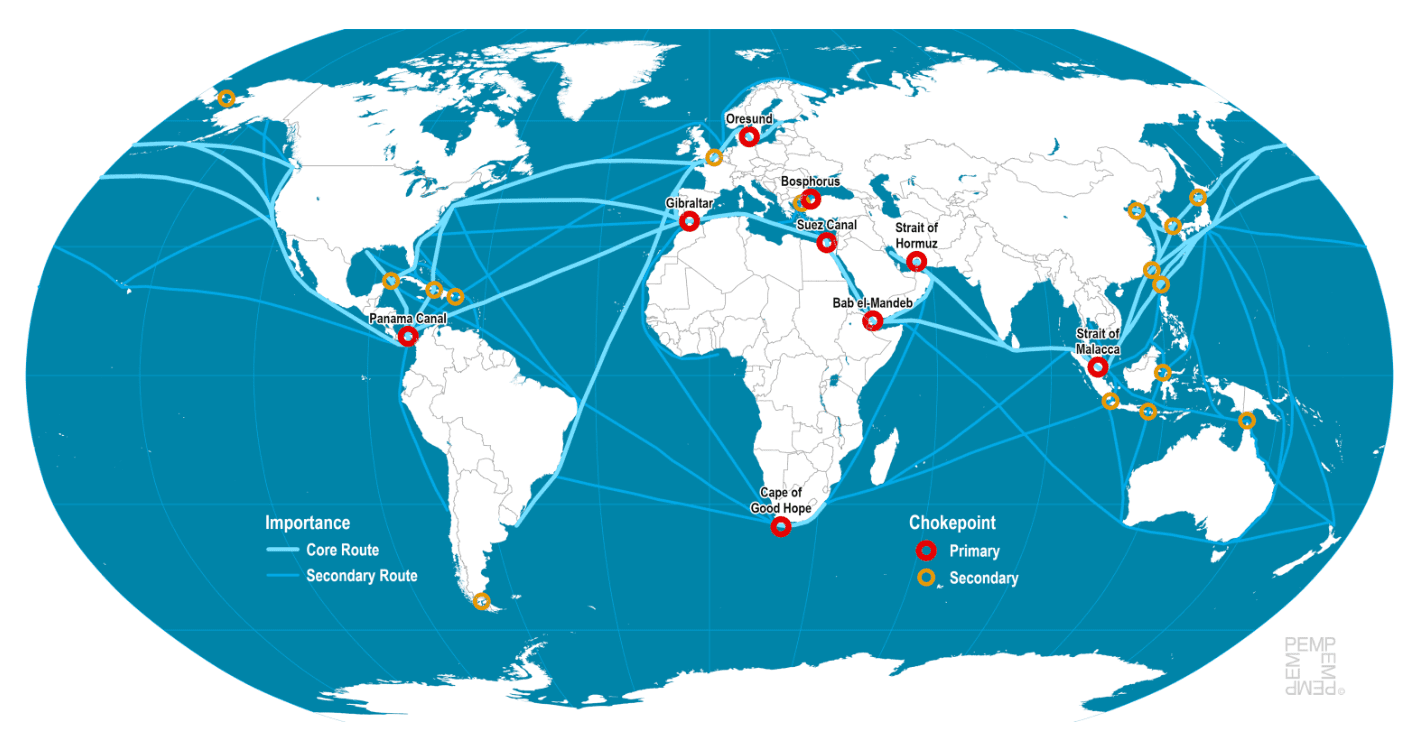
The Strait of Hormuz is a clear example of how a disruption at a critical maritime chokepoint can spread across multiple shipping routes and markets. When maritime operations through the strait are disrupted, carriers have to adjust service routes, redistribute cargo flows and seek alternative transportation options, creating disruptions in other parts of the network.
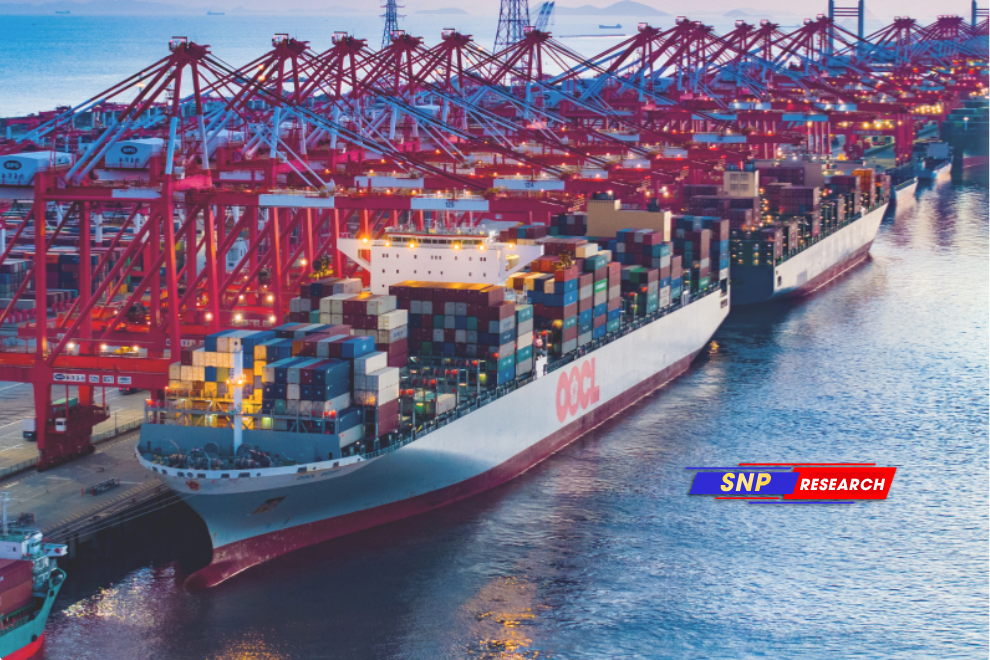
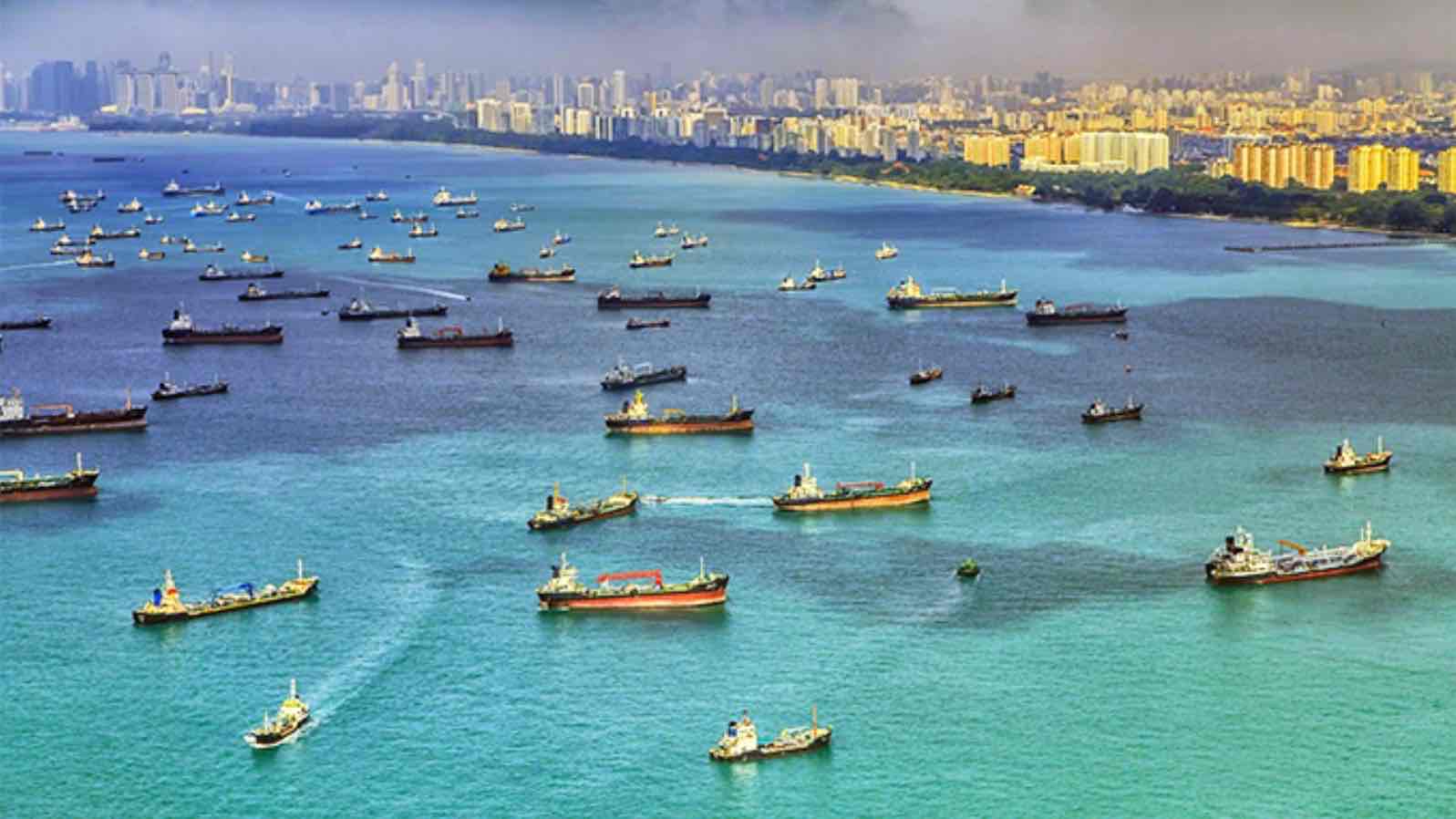
Meanwhile, in East Asia, container shipping is facing a different type of disruption, this time driven by extreme weather. Severe weather along China's eastern coast has forced several major ports, including Shanghai and Ningbo, to temporarily close. The disruption has contributed to widespread schedule disturbances across the region, with more than 4.18 million TEU of container shipping capacity currently stalled in North Asia, according to Linerlytica. The resulting vessel bunching and disrupted berth schedules are expected to take several weeks to clear.
The two disruptions have completely different causes: one is rooted in geopolitics, while the other is driven by extreme weather.
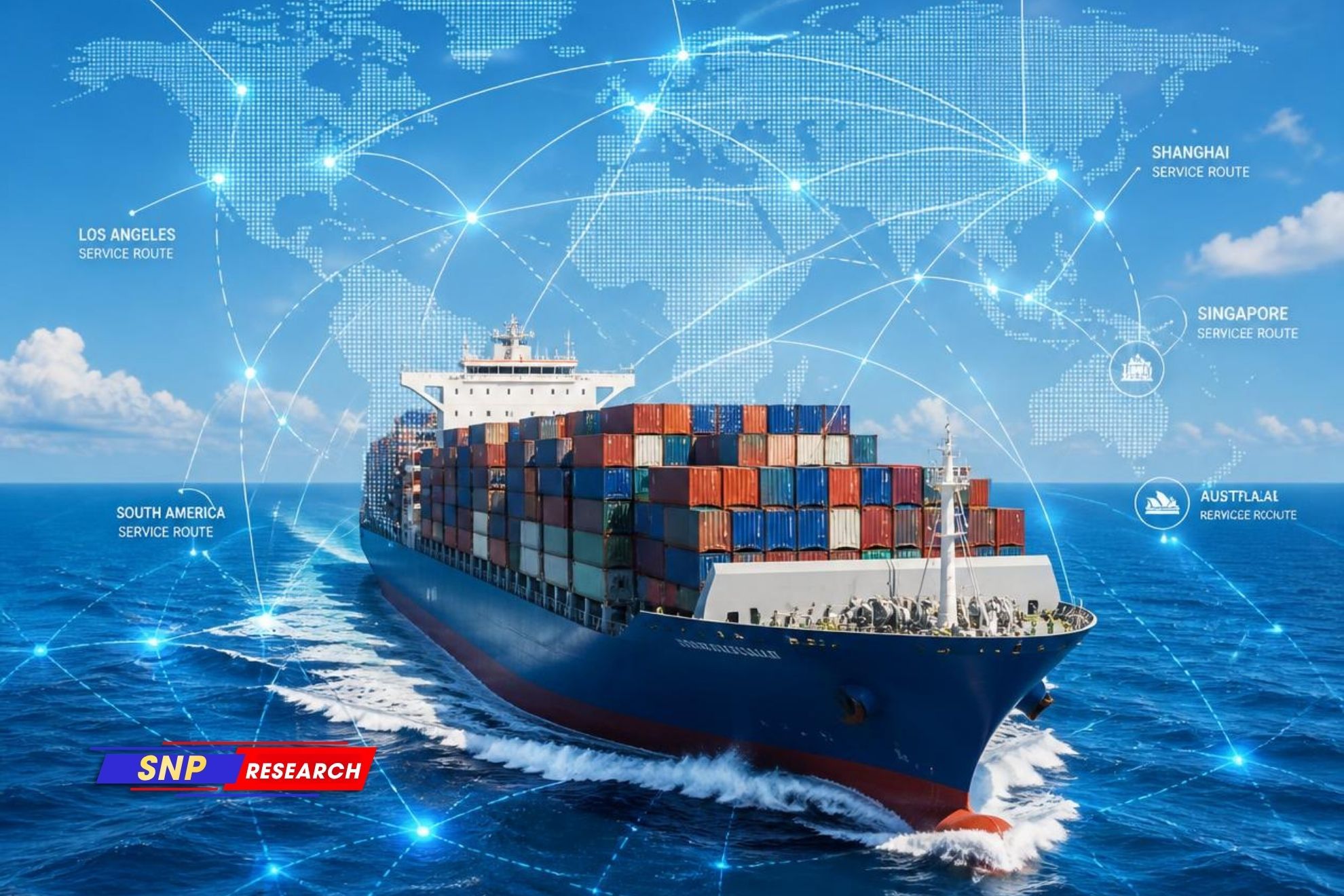
But both point to the same reality: global shipping is a tightly interconnected network.
Within such a network, a disruption at one link can quickly spread to others, creating a chain of effects across the wider supply chain.
How Far Can a Local Disruption Spread?
When a major shipping route is disrupted, carriers typically have to adjust their voyages and service routes, or wait for safer operating conditions. Longer voyages not only increase transit times but also disrupt schedules across the entire service, causing multiple vessels to arrive at ports within a short period and creating what is known as vessel bunching.
According to UNCTAD, rerouting away from major maritime chokepoints increases demand for vessels, while longer voyages add pressure on vessel capacity, transportation flows, fuel consumption, insurance and other costs across the logistics system.
As a result, the impact of a maritime disruption can travel through multiple links in the network, affecting ports and shipping routes far beyond the area where the disruption actually occurred.
Capacity is not always what the fleet says it is
One notable consequence of supply chain disruptions is a reduction in effective shipping capacity.
When vessels are diverted, waiting for berths or spending longer periods in operation, the capacity of those vessels cannot be deployed for their next voyages according to the original schedule. When hundreds of vessels experience similar delays, the overall available capacity across the network is affected as well.
This is why congestion in North Asia extends beyond the ports directly affected. More than 4.18 million TEU of container vessel capacity being stalled means a significant amount of shipping capacity is temporarily held in the region instead of being deployed elsewhere.
The Chain Reaction
Ultimately, the impact of disruptions across the supply chain network is often reflected in a metric familiar to most importers and exporters: freight rates.
Drewry's World Container Index (WCI) increased by 4% to US$4,526 per FEU on August 20, 2026, driven primarily by higher rates on the transpacific routes.
Freight rates are influenced simultaneously by a range of factors, including market demand, seasonality, carrier operating capacity, equipment availability and geopolitical conditions. However, when one link in the network is disrupted, longer voyages, extended vessel waiting times and reduced effective capacity can create a chain of effects on service supply and freight rates.
The interconnected nature of the shipping network allows it to operate more efficiently, but it also means that the impact of a single disruption can quickly spread to other links—from vessel capacity and port operations to logistics costs.
When Shipping Capacity Becomes a Question of Allocation
For Vietnam, these developments are not simply a story unfolding in a distant market. The shipping routes connecting Vietnam with North America, Europe and intra-Asia markets operate within the same network of vessels, ports and transshipment hubs.
When vessel schedules in one region are disrupted, the effects can continue to subsequent ports along the voyage, affecting vessel arrival times, connection opportunities, container turnaround and cargo delivery plans.
The developments in North Asia also highlight an important point: the market may not necessarily be short of vessels, but available shipping capacity can still decline.
And when that happens, the more important questions become: Where is the available capacity? Who controls it? And which services will receive it?
These questions become increasingly relevant as carriers continue to increase the proportion of vessels they own, while supply in some feeder vessel segments becomes more constrained.
As carriers gain greater control over their own fleets, which routes will they prioritize? Will they choose direct calls or transshipment? And what will determine whether a port remains part of their service network?
These are the questions we will continue to explore in the next article.