Front-Loading and the Adaptation Challenge for Ports
11/09/2026

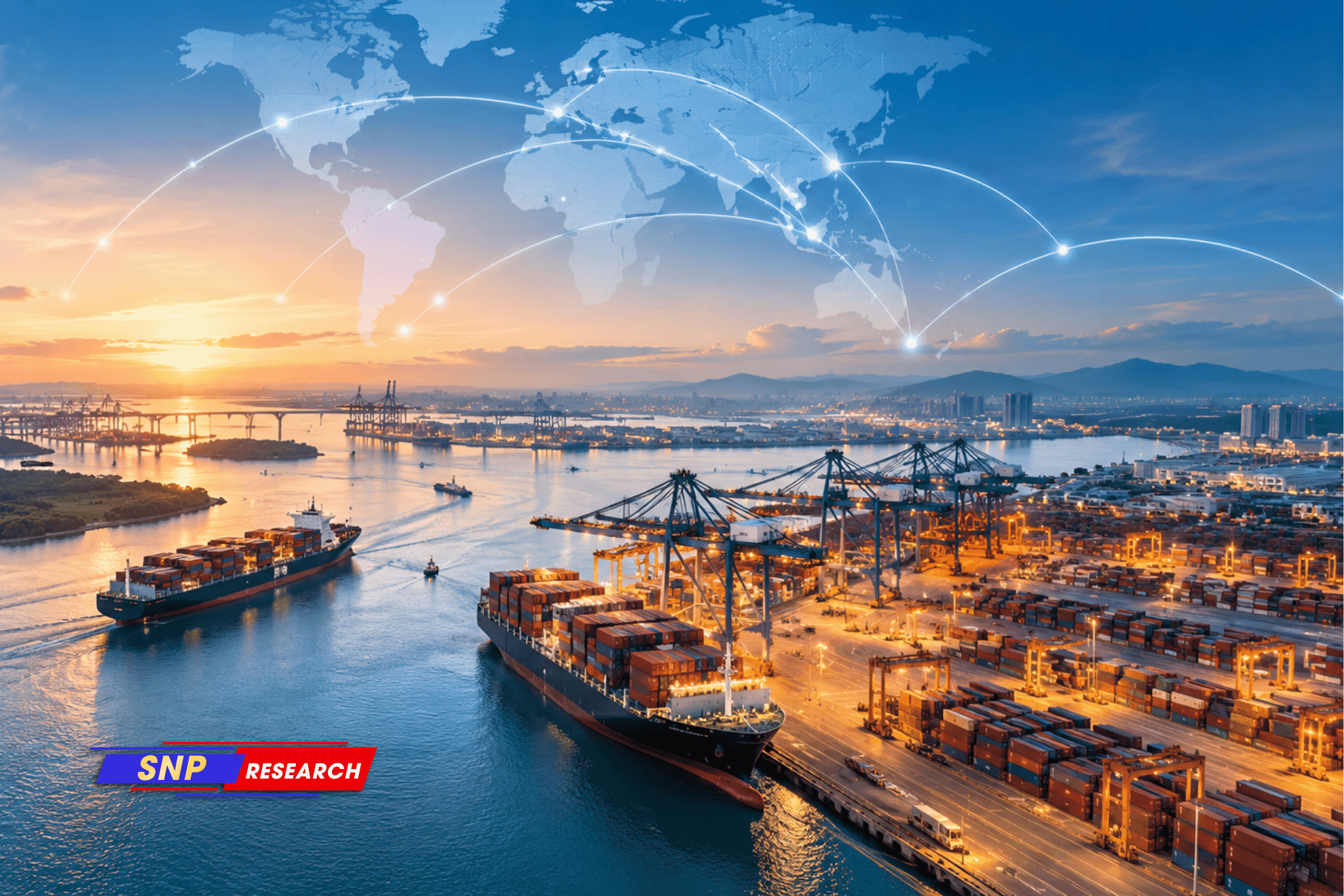
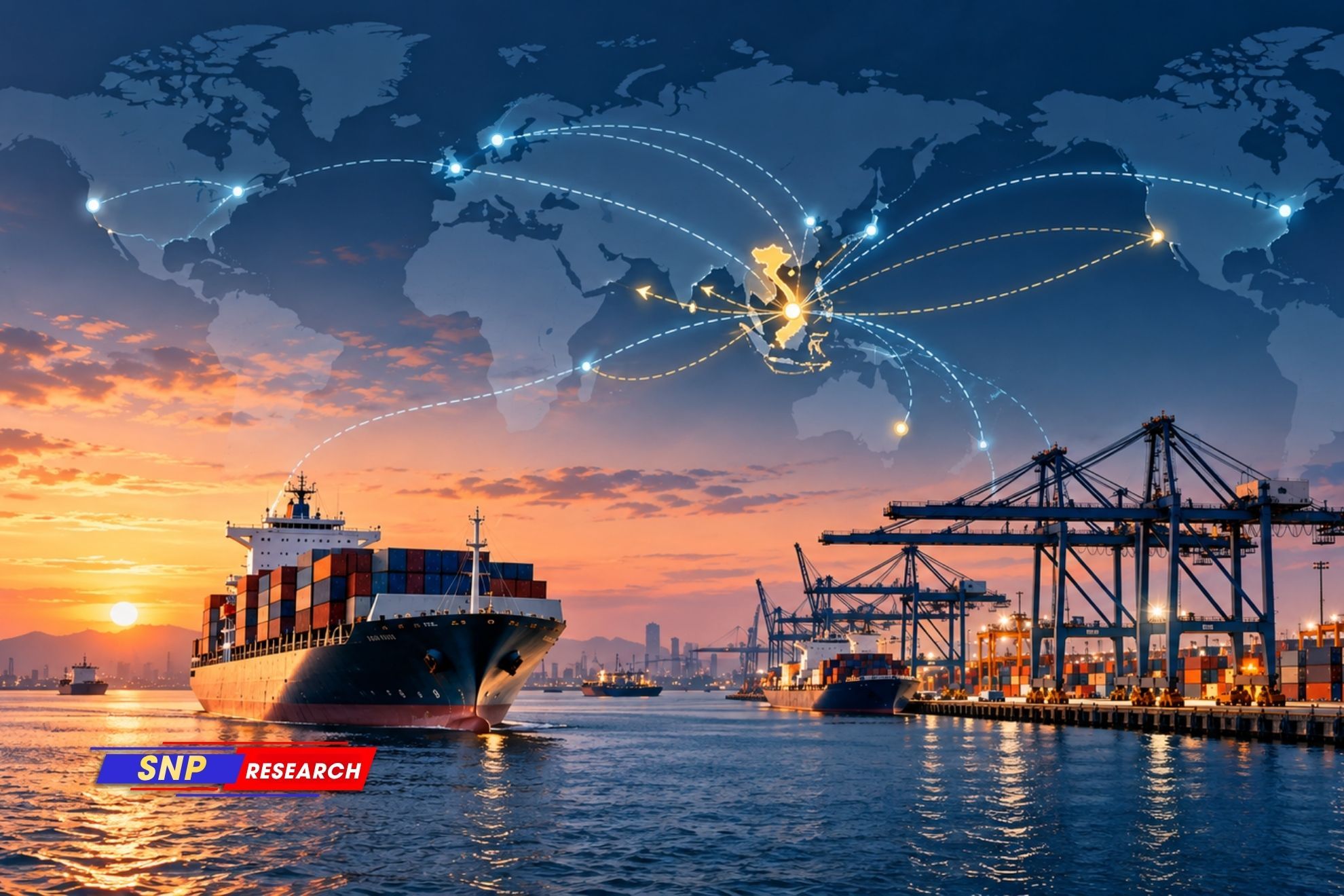
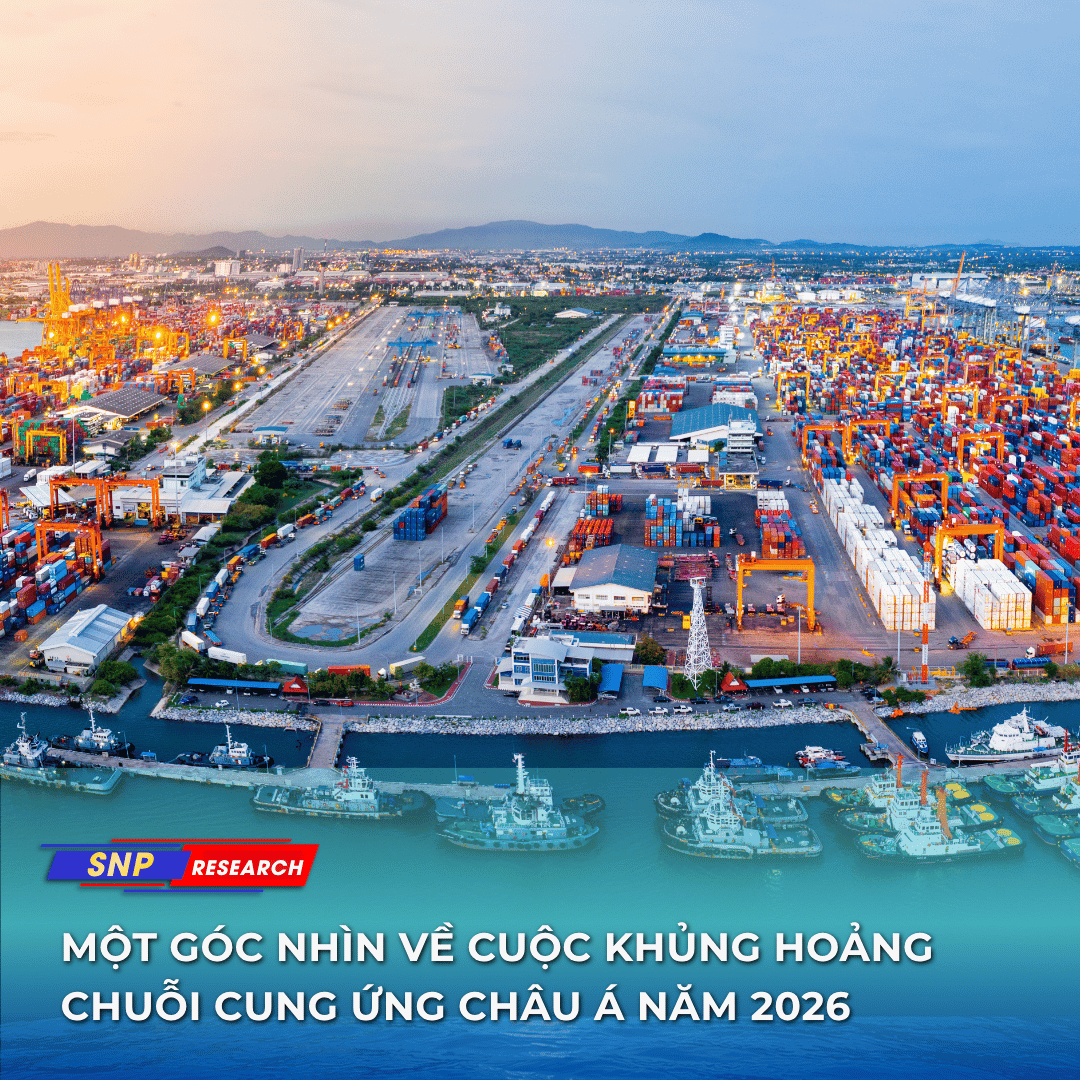
Changes in trade policy do more than affect trade flows between markets. They can also change when and how cargo enters the supply chain. When businesses accelerate import plans to avoid upcoming tariff increases, cargo tends to enter the market earlier and arrive at ports in concentrated waves. For ports, this means that pressure does not come from volume growth alone. Even with the same overall cargo volume, when flows are concentrated into shorter periods, the demands placed on operational capacity can change significantly.
How Front-Loading Reshaped Seasonality in 2026
In 2026, front-loading has significantly reshaped the seasonal pattern of cargo flows. According to Sea-Intelligence, higher volumes were concentrated between May and July rather than toward the end of summer as is typically the case. At the Port of Los Angeles, June throughput reached 1,002,734 TEU, up 12% year on year and the highest monthly volume ever recorded at the port.
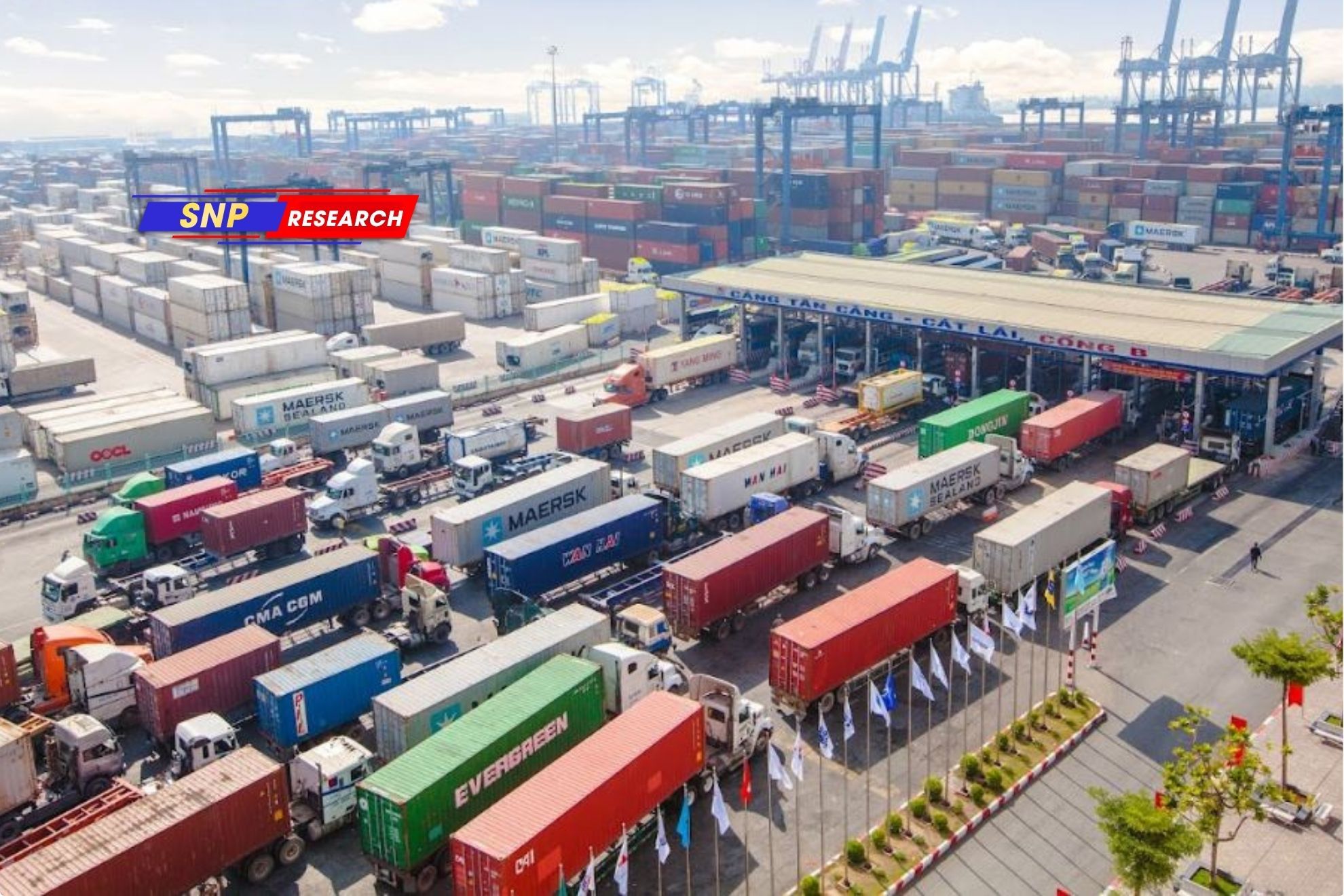
This reflects a practical reality: large vessels can bring thousands of containers into a port within a relatively short period, rapidly increasing yard density and putting pressure on transportation resources, truck flows and cargo clearance.
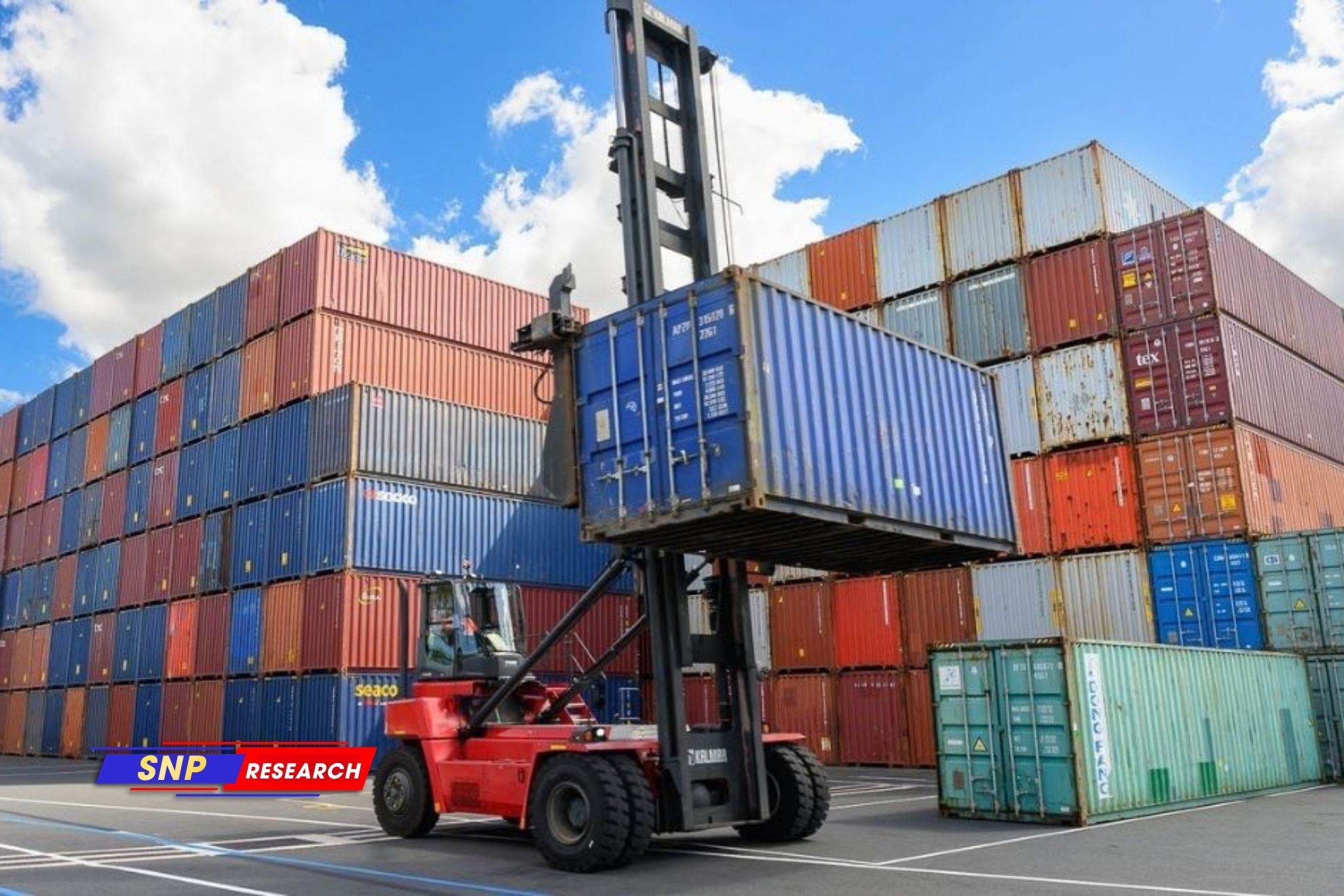
Each additional container handled during such periods does not simply add to throughput. It also increases the demand for equipment and labor across container handling operations. The challenge for ports is that when yards approach their practical operating capacity, they must maintain their ability to handle and release cargo while also managing the empty containers generated and distributing them across the facility.
Sea-Intelligence data illustrates the issue clearly. In June alone, the Port of Los Angeles handled 345,811 TEU of empty containers, equivalent to approximately 65 empty containers for every 100 imported loaded containers. At Long Beach, empty containers accounted for nearly 78% of total containers leaving the port.
This highlights that the issue is not simply a shortage of empty containers, but rather the allocation of operational resources: yard space, handling equipment, transportation capacity and traffic flows needed to receive and clear both loaded and empty containers.
Even as cargo demand begins to ease, the imbalance in resource allocation can persist. According to data from North American Container Imports, volumes reached 2.47 million TEU in July, before declining to 2.22 million TEU in August and an expected 1.99 million TEU in September.
This is a typical manifestation of the front-loading trend this year. When cargo arrives earlier than the expected peak season, carriers must also adjust operating schedules and reallocate capacity across services.

Front-Loading Does Not Mean Peak Season Is Over
Front-loading has brought a portion of U.S.-bound import cargo forward, ahead of the usual peak season, particularly between May and August. However, some cargo has been delayed by weather disruptions in China, while consumer demand remains in place for seasonal events such as Halloween, Thanksgiving, Black Friday and Christmas. As a result, volumes are still expected to increase steadily from September through the final months of the year.
The latest data from the National Retail Federation even suggests that September 2026 could become the busiest import month of the year, with approximately 2.31 million TEU, above the previous forecast.
In Asia, cargo flows are also expected to build ahead of major holidays such as Golden Week, the Mid-Autumn Festival and National Day. In China, for example, the Mid-Autumn Festival holiday runs from September 25–27, immediately ahead of the October 1–7 National Day holiday. With the two holiday periods occurring so close together, businesses may bring forward production completion, cargo loading and container deliveries to ports to reduce the risk of disruption.
For this reason, rather than treating July as the point at which front-loading ends, ports need to monitor how cargo flows continue to develop through September and October.
The pressure may no longer take the form of the same large-scale cargo surges seen between May and July, but shorter spikes may still emerge around seasonal demand, production holiday schedules and adjustments to vessel operations.
Conclusion
2026 shows that the peak season for container shipping no longer necessarily follows a fixed pattern. Front-loading can pull part of the volume forward, but retail seasons, production holidays and changes in vessel schedules can still create additional waves of cargo later in the year.
For ports, this makes the ability to anticipate when cargo flows will emerge nearly as important as the ability to handle the volume itself.
This raises a broader question for the port industry: if volatility is becoming a permanent feature of global trade, what strategic strengths will allow ports to remain competitive?