Transforming gateway port capacity into maritime logistics network capacity
09/10/2026
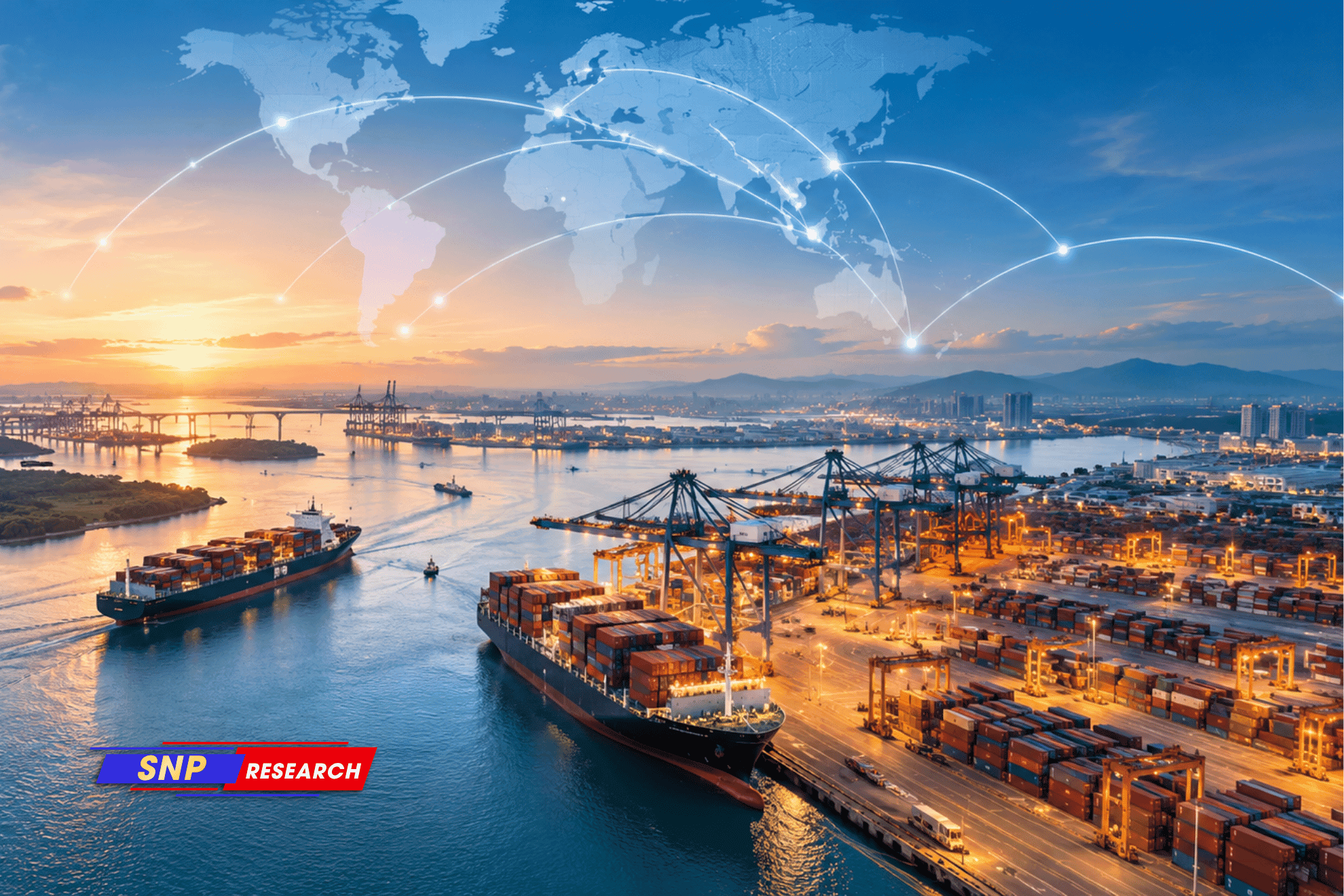
Global trade disruptions, combined with growing demands for emissions reduction, digital transformation and resilience, are reshaping the requirements for maritime transport. In this context, logistics capability is no longer measured solely by a port’s ability to receive vessels and handle cargo. It increasingly depends on how efficiently goods move across the entire network.
From Port Capacity to Network Capacity
Port capacity, vessel-handling capability, cargo-handling productivity and throughput remain important indicators of port performance. However, as supply chains become more interconnected, the capacity of a terminal alone cannot fully reflect the efficiency of the entire cargo journey.
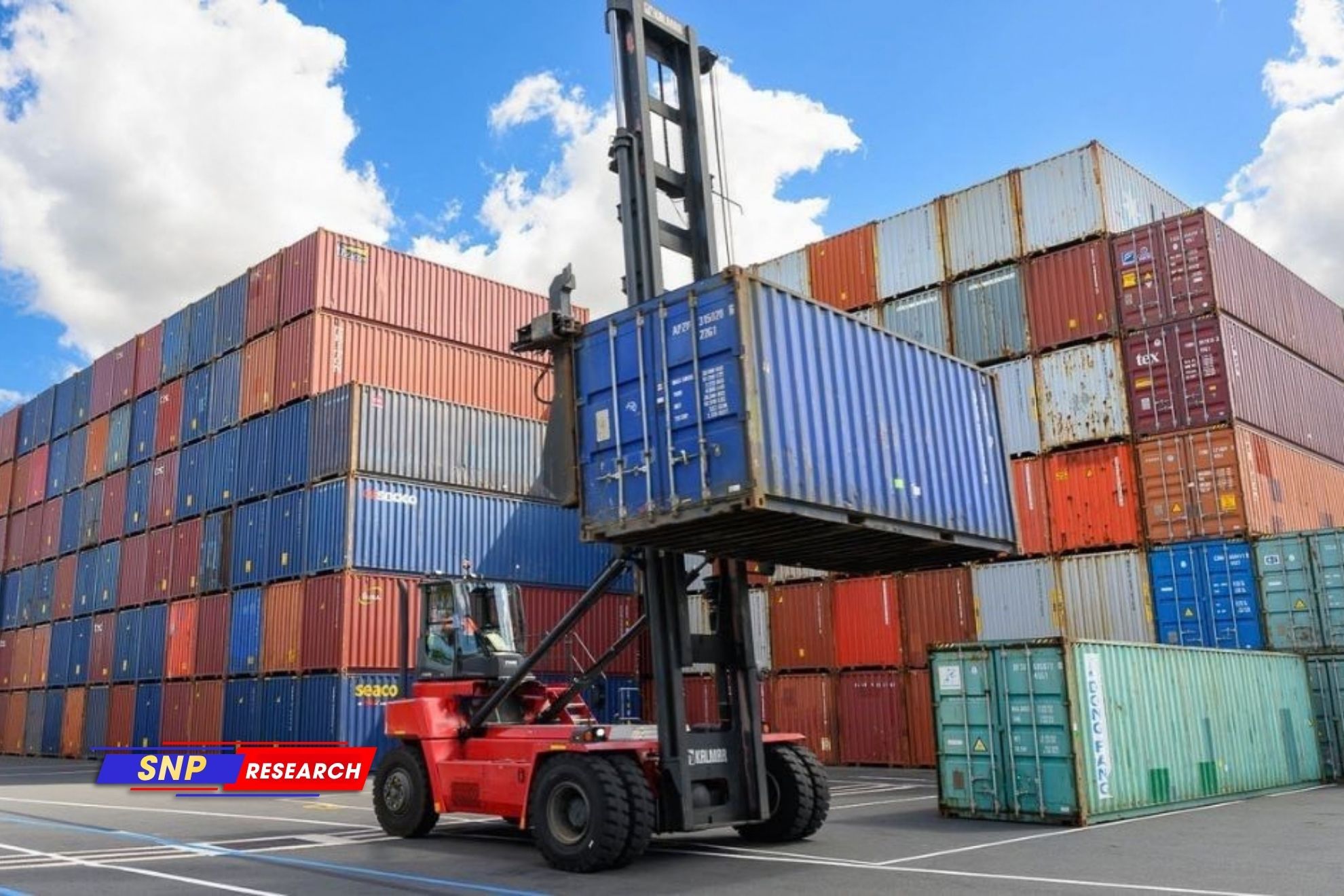
After being discharged from a vessel, containers continue their journey through ports, inland container depots (ICDs), logistics centres, industrial zones, factories and warehouses before reaching their final markets. Transit time and logistics costs therefore depend on road, inland waterway and rail connections, warehousing, procedures and coordination among stakeholders.
This is also why Vietnam’s logistics costs are estimated at around 16–17% of GDP, with transportation accounting for approximately 50–60% of total logistics costs.
These figures highlight that competitiveness is not determined solely by how quickly a port handles cargo. If goods take too much time and money to move between the port and production or consumption centres, the advantage of a gateway port may not translate into a competitive advantage for the wider supply chain.
A port’s capability is therefore increasingly tied to the strength of the logistics network connected to it.
The Next Stage for Vietnam’s Gateway Ports
Vietnam has developed deep-water gateways capable of connecting directly to international shipping networks.
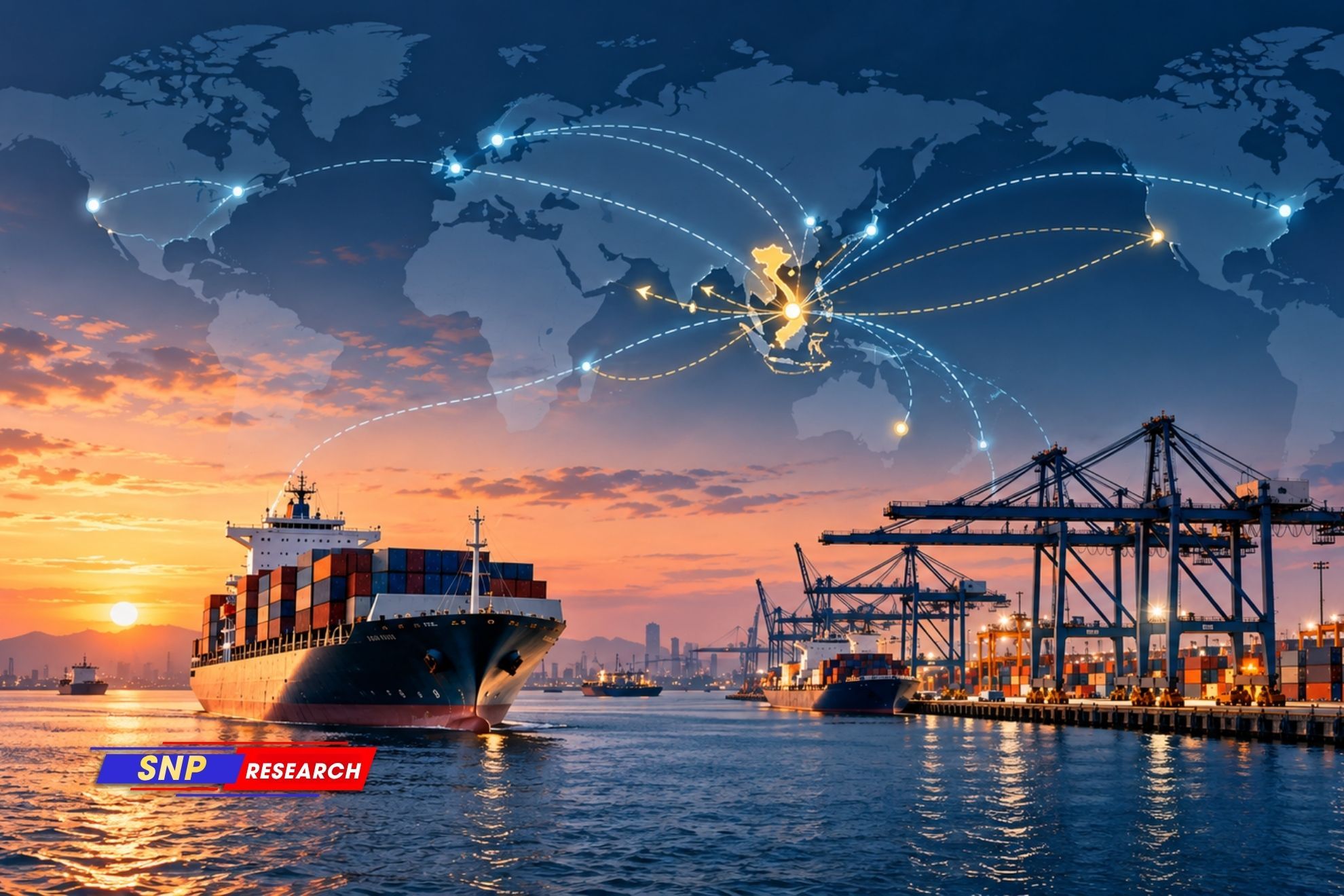
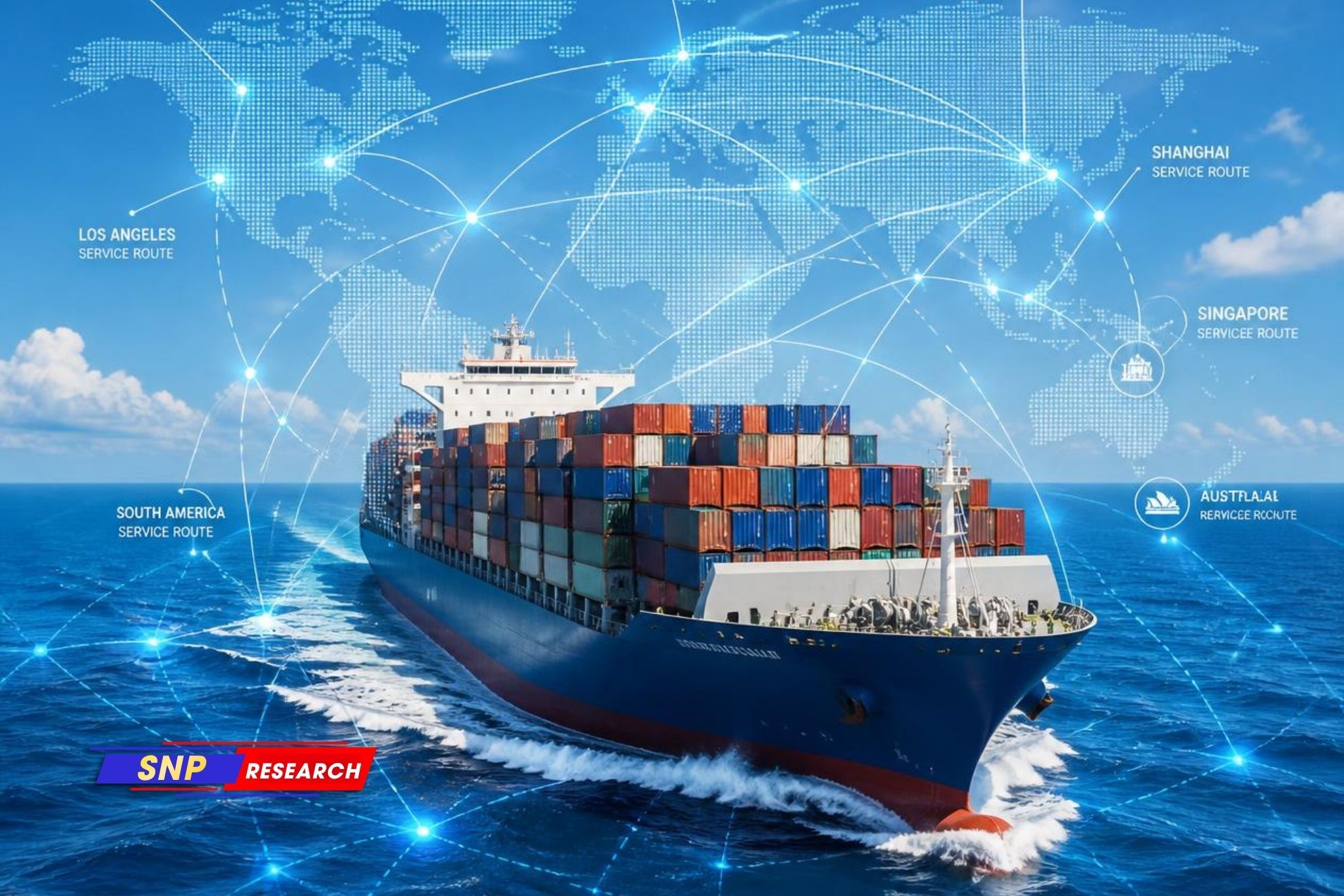
In the south, Cai Mep–Thi Vai currently has 53 weekly direct international service calls, connecting Vietnam with major markets in North America and Europe. In the north, Lach Huyen is progressively strengthening its role as an international gateway.
These developments provide Vietnam with an important foundation for deeper integration into global maritime networks. Yet, when large mother vessels can already call directly at port, the next challenge lies beyond the quay: how is cargo moved out of the port, where does it go, and how efficiently does it get there?
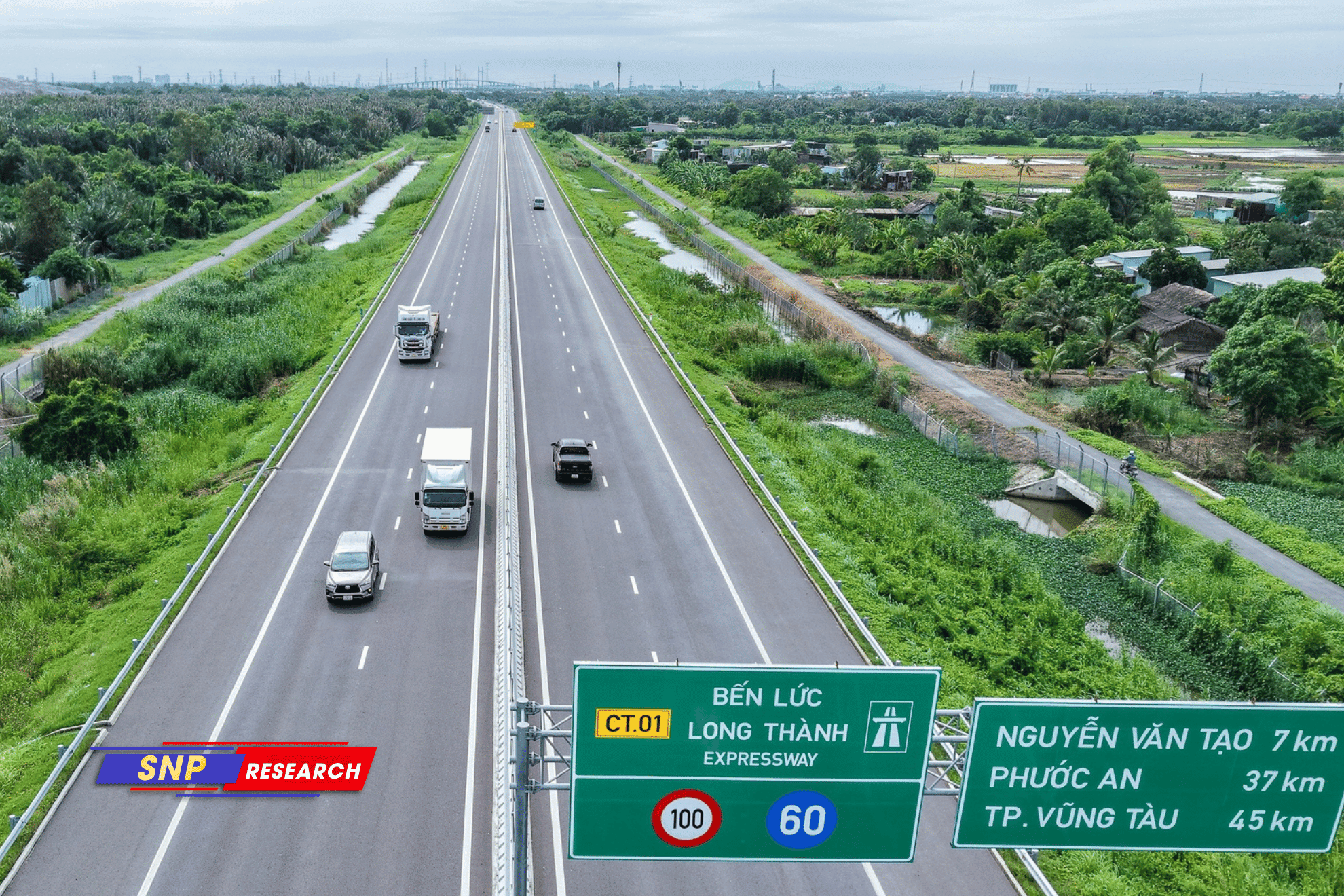
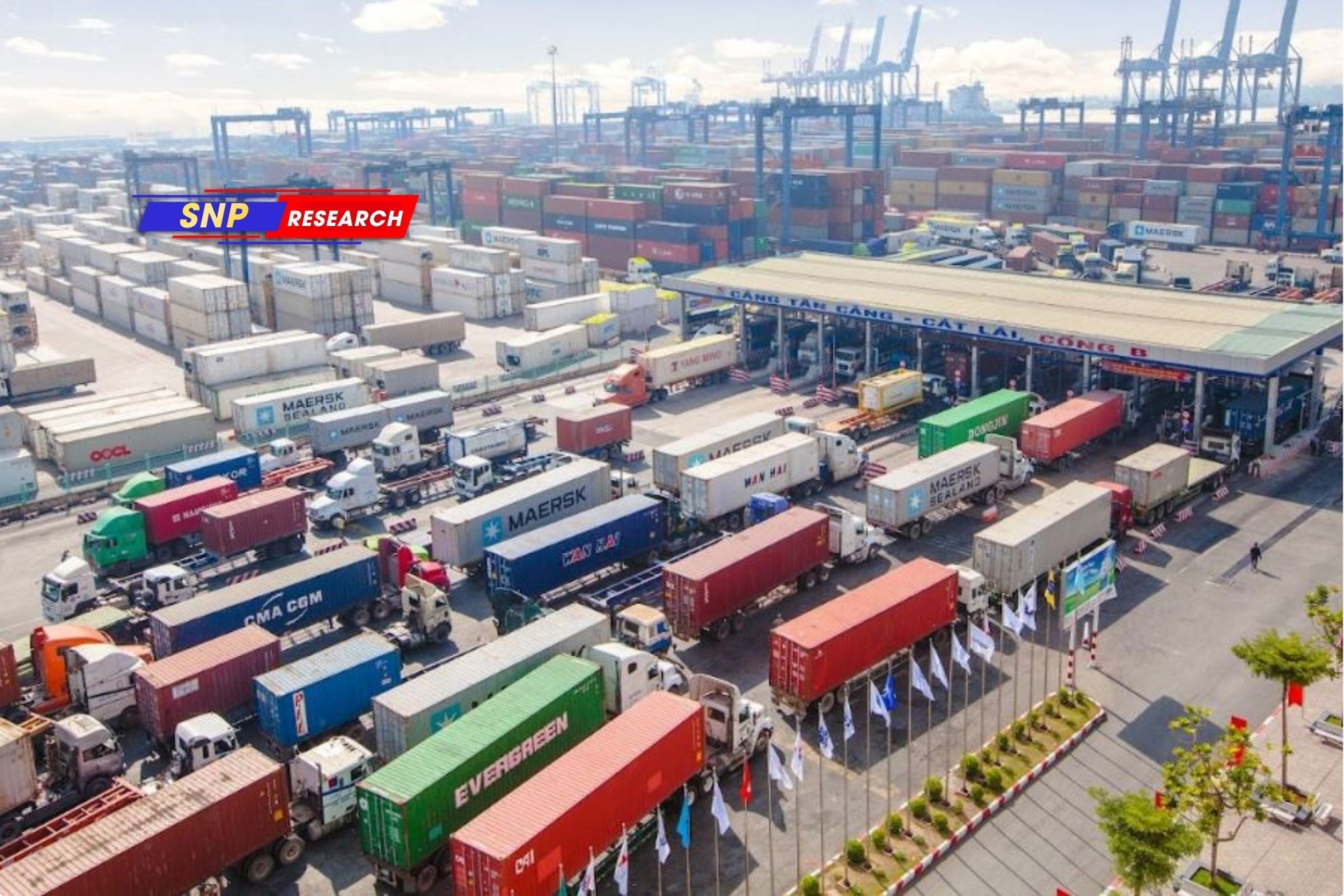
At Cai Mep–Thi Vai, around 80–85% of containers are evacuated by inland waterway. This illustrates that a gateway port cannot operate efficiently without supporting transport networks and cargo consolidation points in its hinterland. Port capability lies not only in berth capacity, but also in the ability to distribute and move cargo across a connected supply chain.
This marks the shift from Port Capacity to Network Capacity.
Rather than focusing solely on how many additional berths need to be built, the next priority should be to improve access to ports, speed up cargo evacuation and strengthen connections with production, logistics and consumption centres.
From Green Ports to Green Port Networks
A similar shift is taking place in the maritime sector’s transition towards sustainability.
Emissions-reduction requirements are encouraging ports to invest in cleaner equipment, energy and operating processes. However, a green port does not automatically create a green logistics chain.
A container may be handled using energy-efficient equipment inside a port, but if it then faces long waiting times, travels along congested roads or passes through inefficient transport stages, emissions across the entire journey can still rise.
Greening logistics must therefore extend from the moment cargo leaves a vessel to its final destination. This includes expanding the use of inland waterways and rail, optimising truck routes, reducing waiting times and container dwell time, and making better use of existing infrastructure.
The potential benefits of shifting transport modes are significant. According to compiled data, inland waterway transport can reduce CO₂ emissions per TEU by approximately 55–60% compared with road transport over the same route.
The goal, therefore, should go beyond developing individual green ports towards building Green Port Networks, where environmental performance is assessed across the entire cargo journey.
Digital transformation must likewise extend beyond individual port boundaries. When data on cargo, vehicles, warehousing and transport capacity are connected, stakeholders gain better visibility of cargo flows, can coordinate operations more proactively and reduce unnecessary waiting times.
Cooperation That Creates Value
When cargo moves across multiple localities, transport modes and logistics facilities, no single port or locality can complete the entire supply chain on its own.
This is precisely where regional and international cooperation can create the greatest value.
Cooperation should go beyond exchanging experience or signing memoranda of understanding. Its greater value lies in connecting technology, standards, infrastructure, businesses, markets and, most importantly, cargo flows.
One notable approach highlighted at the 2026 Ho Chi Minh City Friendship Dialogue was to move from “relationship-building” towards “supply chain connectivity”, through connections between cities, ports, businesses and markets.
For the port and logistics sector, the value of cooperation becomes most tangible when it leads to a new shipping service, a new cargo flow, a more efficient connection or a concrete logistics corridor.
From Individual Port Projects to Logistics Corridors
Cai Mep–Thi Vai and Lach Huyen demonstrate that Vietnam has gateway ports capable of connecting directly to international shipping networks. The next challenge is to link these gateways more effectively with the production centres and markets in their hinterlands.
In the south, this means connecting Cai Mep–Thi Vai with industrial and logistics centres, as well as the road and inland waterway networks serving the southern economic region. In the north, it means strengthening connections between Lach Huyen, Hai Phong, Hanoi and the northern industrial and logistics centres. This reflects a shift in development thinking—from individual port projects towards integrated logistics corridors.
One example of this approach taking shape is the development of a continuous 1,200-metre berth line linking CMIT and TCTT for container vessel operations. Rather than treating each berth as a separate asset, coordinated operations demonstrate how greater value can be generated by connecting existing capabilities.
A port corridor is a connected system linking a seaport gateway with its hinterland transport modes, logistics facilities and infrastructure, as well as international maritime networks.
When these components are planned and operated as an integrated system, cargo has more options in terms of routes and transport modes. This also helps the network remain operational when a particular route, transport mode or connection is disrupted.
Connecting to Create Value
Vietnam has developed gateway ports capable of connecting directly to international shipping networks. The next step is not simply to expand capacity at individual ports, but to connect those capabilities into a logistics network that is more efficient, greener and more resilient.
This requires a shift from port capacity to network capacity; from green ports to green port networks; and from individual port projects to integrated logistics corridors.
Ultimately, a strong port is only one connection point. Greater value comes from linking these points into a network that supports cargo flows and supply chains across regional and global markets.